Blog Post: The Ultimate Guide to Home Insemination for Solo Moms
Becoming a mother is a dream for many women, but for solo moms, it can be a daunting journey. One option for solo moms is home insemination, a process where sperm is inserted into the vagina or cervix at home. This allows women to bypass traditional fertility treatments and gives them more control over their journey to motherhood. In this blog post, we will provide a comprehensive guide to home insemination for solo moms, including the basics, preparation, and steps to take for a successful insemination.
The Basics of Home Insemination
Home insemination, also known as self-insemination or at-home insemination, is a method of artificial insemination where a woman uses a syringe or other device to insert sperm into her vagina or cervix. This process can be done with a partner or by a solo mom using donor sperm. Home insemination is a popular choice for women who want to conceive without the assistance of a fertility clinic or for those who may not have a male partner.
Preparation for Home Insemination
Before starting the home insemination process, it is essential to consult with a doctor to ensure that you are physically ready to conceive. They can also provide guidance on the best time to inseminate based on your menstrual cycle. Additionally, it is crucial to choose a sperm donor from a reputable sperm bank or a known donor who has undergone proper testing and screening for any genetic diseases or infections.
Steps for a Successful Home Insemination
1. Track Your Ovulation: The first step to a successful home insemination is to track your ovulation. This can be done through various methods, such as monitoring your basal body temperature or using ovulation predictor kits. This will help you determine the best time to inseminate for optimal chances of conception.
2. Prepare the Sperm: If using donor sperm, make sure to follow the instructions provided by the sperm bank. If using a known donor, the sperm can be collected through ejaculation into a sterile cup. The sperm should then be placed in a sterile container and kept at room temperature until ready to use.
3. Prepare Yourself: Before inseminating, make sure to wash your hands thoroughly and find a comfortable position. Some women find it helpful to elevate their hips with a pillow to help the sperm travel towards the cervix.
4. Insert the Sperm: Using a sterile syringe or a cervical cap, gently insert the sperm into the vagina or cervix. If using a syringe, make sure to remove the needle and only use the plastic end. Slowly release the sperm into the vagina or cervix.
5. Remain Still: After insemination, it is recommended to remain still for 20-30 minutes to allow the sperm to travel towards the cervix. Some women also choose to use a menstrual cup to keep the sperm closer to the cervix.
6. Rest and Monitor: After insemination, it is essential to rest and avoid any strenuous activity. This will give the sperm the best chance to reach the egg. Additionally, you can track your symptoms and take a pregnancy test after two weeks to determine if the insemination was successful.
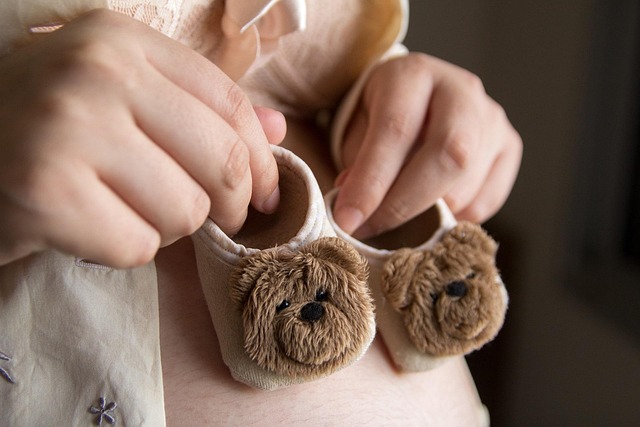
The Ultimate Guide to Home Insemination for Solo Moms
Benefits of Home Insemination for Solo Moms
Home insemination offers many benefits for solo moms, including:
1. Cost-Effective: Home insemination is a more affordable option compared to traditional fertility treatments.
2. Privacy and Control: Home insemination allows women to have more privacy and control over their journey to motherhood.
3. Flexibility: With home insemination, women can choose the timing and frequency of insemination, making it easier to fit into their schedule.
4. Emotional Connection: For solo moms using a known donor, home insemination can create an emotional connection between the donor and the child.
Risks and Considerations
While home insemination is a safe and effective method for conceiving, there are some risks and considerations to keep in mind. These include:
1. No Guarantee: As with any method of conception, there is no guarantee of success with home insemination.
2. Infection: It is crucial to follow proper hygiene and safety measures to reduce the risk of infection during home insemination.
3. Support: Solo moms may face emotional and financial challenges during the home insemination process and should seek support from friends, family, or online communities.
In conclusion, home insemination is a viable option for solo moms who want to conceive without the assistance of a fertility clinic. By following the steps and guidelines outlined in this guide, solo moms can increase their chances of a successful insemination and take control of their journey to motherhood.
SEO Metadata: