Blog Post:
Solo Mom’s Guide to Successful Home Insemination
Becoming a mother is a beautiful and life-changing experience, but not everyone follows the traditional route of conceiving a child. For solo moms, the journey to motherhood can be a bit more challenging, but it is not impossible. With advancements in technology and a growing acceptance of alternative family structures, more and more women are choosing to embark on the journey of solo motherhood through home insemination.
Home insemination, also known as self-insemination, is the process of using a donor’s sperm to fertilize an egg at home. This method has gained popularity among solo moms as it allows them to have more control over the process and can be more affordable than other fertility treatments.
If you are a solo mom considering home insemination, here is a guide to help you navigate the process successfully.
1. Understand the Legalities
Before you begin the process of home insemination, it is crucial to understand the legalities involved. Laws regarding donor insemination and parental rights vary from state to state and country to country. It is essential to do thorough research and consult with a lawyer to ensure that you are following all legal protocols and protecting your rights as a parent.
2. Choose the Right Donor
Selecting the right donor is a crucial step in the home insemination process. You can choose to use a known donor, such as a friend or family member, or an anonymous donor from a sperm bank. Whichever option you choose, it is important to consider the donor’s medical history, genetic background, and any legal implications.
If you opt for a known donor, it is essential to have a detailed legal agreement in place to protect everyone involved. On the other hand, using a sperm bank may be a more straightforward and safer option, as they thoroughly screen donors and provide detailed profiles for you to choose from.
3. Prepare Your Body
Preparing your body for home insemination is similar to preparing for natural conception. You should ensure that you are healthy and in the best physical condition possible. This includes maintaining a healthy diet, exercising regularly, and taking prenatal vitamins.
In addition, tracking your menstrual cycle is crucial for knowing when you are most fertile. You can use ovulation predictor kits or track your basal body temperature to determine your most fertile days.
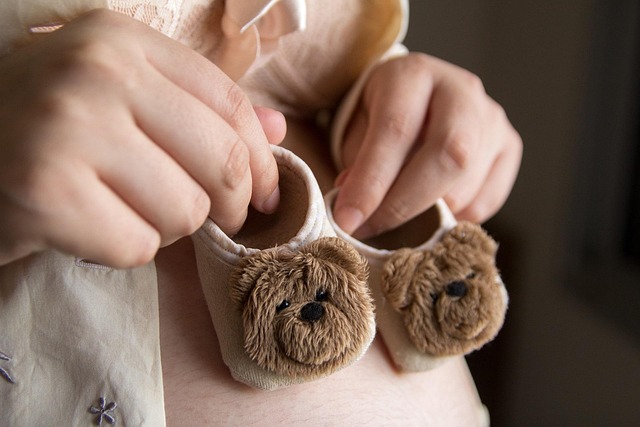
Solo Mom's Guide to Successful Home Insemination
4. Gather Supplies
To perform home insemination, you will need a few supplies. These include a sterile container to collect the sperm, a sterile syringe or cervical cap to insert the sperm, and a soft cup or menstrual cup to hold the sperm in place after insemination. You can purchase these supplies online or at your local pharmacy.
5. Choose the Right Timing
Timing is everything when it comes to home insemination. It is recommended to inseminate as close to ovulation as possible to increase the chances of fertilization. This means inseminating within 12-24 hours of ovulation, as sperm can survive for up to five days in the female reproductive tract.
6. Perform the Insemination
Once you have gathered all the necessary supplies and determined the right timing, it is time to perform the insemination. The process is relatively simple and can be done in the comfort of your own home. First, the donor will collect the sperm in the sterile container. Then, using the syringe or cervical cap, the sperm is inserted into the vagina or cervix. Afterward, the soft cup or menstrual cup is inserted to hold the sperm in place.
7. Relax and Wait
After the insemination is complete, it is essential to relax and avoid any strenuous activity for at least an hour to give the sperm time to travel to the egg. It is also recommended to elevate your hips or use a pillow to tilt your pelvis upward, as this can help the sperm reach the cervix more easily.
8. Take a Pregnancy Test
Two weeks after the insemination, you can take a pregnancy test to see if it was successful. If the test is positive, congratulations! If not, don’t be discouraged. It may take a few tries before achieving a successful pregnancy.
In conclusion, home insemination can be a viable option for solo moms who are ready to embark on the journey of motherhood. With proper research, preparation, and timing, it is possible to successfully conceive a child at home. Remember to consult with a medical professional and seek legal advice to ensure that you are following all necessary protocols. Most importantly, trust in the process and have faith in your journey to motherhood.
Summary:
Solo motherhood through home insemination is a growing trend among women who want to become mothers on their own. To ensure a successful home insemination, it is crucial to understand the legalities, choose the right donor, prepare your body, gather supplies, time the insemination correctly, perform the insemination, relax, and take a pregnancy test. With proper research and preparation, solo moms can successfully conceive a child at home and embark on the beautiful journey of motherhood.