The Connection Between Insemination Kits and Fertility Boost at 30
Insemination is a method of assisted reproduction where sperm is placed into the reproductive tract of a female to help her conceive. This procedure has been around for decades and has helped millions of couples and individuals achieve their dream of starting a family. However, as women reach the age of 30, their fertility starts to decline, making it more challenging to conceive naturally. This is where insemination kits come in, offering a convenient and budget-friendly option for those looking to boost their fertility at the age of 30.
In this blog post, we will delve into the connection between insemination kits and fertility boost at 30. We will explore how these kits work, their effectiveness, and why they have become a popular choice for women in their 30s who are trying to conceive.
What are Insemination Kits?
Insemination kits, also known as home insemination kits or artificial insemination kits, are fertility aids that allow individuals or couples to perform insemination at home. These kits typically include a syringe or a soft cup, a vial of washed sperm, and instructions on how to perform the insemination.
Insemination kits were first developed for use by same-sex couples and single women who wanted to conceive but did not have access to a sperm donor. However, they have become increasingly popular among heterosexual couples as well, especially those who struggle with infertility or are looking for a more affordable alternative to fertility clinics.
How Do Insemination Kits Work?
Insemination kits work by placing the washed sperm into the reproductive tract of the female, either through the vagina or directly into the uterus. This is usually done at the time of ovulation, when the female’s body releases an egg. The sperm is then able to swim up to the egg and fertilize it, increasing the chances of conception.
The instructions included in insemination kits vary depending on the brand, but they typically involve the following steps:
1. Collecting the sperm: This can be done through self-stimulation or with the help of a partner.
2. Preparing the sperm: The sperm is then washed and concentrated to increase its motility and effectiveness.
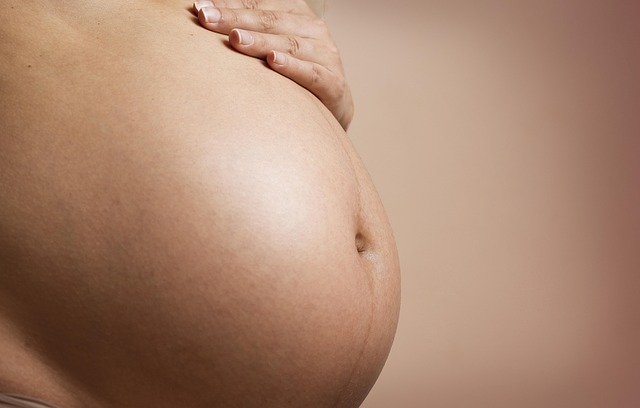
The Connection Between Insemination Kits and Fertility Boost at 30
3. Preparing the female’s body: This involves tracking ovulation and preparing the reproductive tract for insemination.
4. Performing the insemination: The sperm is then inserted into the reproductive tract using the syringe or soft cup included in the kit.
Are Insemination Kits Effective?
The effectiveness of insemination kits depends on various factors, such as the quality of the sperm, the timing of the insemination, and the overall health of the female’s reproductive system. However, studies have shown that insemination kits can have a success rate of up to 25% per cycle, which is comparable to the success rates of fertility clinics.
Additionally, insemination kits can also be more effective for women in their 30s compared to those in their 40s. This is because as women age, their egg quality and quantity decrease, making it more challenging to conceive even with assisted reproductive techniques such as insemination.
Why Use Insemination Kits at 30?
As mentioned earlier, fertility declines as women reach the age of 30. This decline becomes even more significant after the age of 35. This is because women are born with a fixed number of eggs, and as they age, the quality and quantity of these eggs decrease. This makes it harder for women in their 30s to conceive naturally, and many may need medical assistance to get pregnant.
Insemination kits offer a convenient and budget-friendly option for women who want to boost their fertility at the age of 30. They can be performed at home, eliminating the need for multiple visits to a fertility clinic. This can be especially beneficial for women who live in remote areas or have busy schedules. Moreover, insemination kits can also be more affordable than fertility treatments, making it a more accessible option for those on a tight budget.
Insemination kits also offer a sense of privacy and control for women who may feel uncomfortable with the idea of going to a fertility clinic. By performing the insemination at home, women can feel more in control of their fertility journey and have the privacy they desire.
In conclusion, insemination kits offer a practical and affordable solution for women at the age of 30 who are trying to conceive. They provide a way to boost fertility and increase the chances of pregnancy, making it an attractive option for many. However, it is essential to consult a doctor before using an insemination kit to ensure that it is a suitable option for your particular situation.
Summary:
As women reach the age of 30, their fertility starts to decline, making it more challenging to conceive naturally. Insemination kits, also known as home insemination kits, offer a convenient and budget-friendly option for those looking to boost their fertility at the age of 30. These kits typically include a syringe or a soft cup, a vial of washed sperm, and instructions on how to perform the insemination. They work by placing the washed sperm into the female’s reproductive tract at the time of ovulation, increasing the chances of conception. Insemination kits can have a success rate of up to 25% per cycle and can be more effective for women in their 30s compared to those in their 40s. They offer a sense of privacy and control, making them an attractive option for women who may feel uncomfortable with the idea of going to a fertility clinic. However, it is essential to consult a doctor before using an insemination kit to ensure that it is a suitable option for your particular situation.