Trying to conceive can be an exciting and emotional journey for couples. While there is no guaranteed way to get pregnant, there are various at-home aids that can increase your chances of conceiving. These aids range from lifestyle changes to fertility tracking devices, and they can be valuable tools for couples who are trying to start a family. In this blog post, we will discuss some of the most effective at-home aids for trying to conceive.
1. Ovulation Predictor Kits
Ovulation predictor kits, also known as OPKs, are one of the most popular at-home aids for trying to conceive. These kits use urine samples to detect the surge in luteinizing hormone (LH) that occurs right before ovulation. This surge indicates that an egg is about to be released from the ovary, making it the most fertile time of the month for a woman. By using an OPK, couples can accurately pinpoint their most fertile days and increase their chances of conception.
2. Fertility Tracking Apps
In today’s digital age, there are numerous fertility tracking apps available for smartphones. These apps use various methods, such as tracking basal body temperature and cervical mucus, to predict a woman’s ovulation and fertile window. They also allow couples to input other information, such as period dates and symptoms, to help track their fertility and provide personalized insights. Some popular fertility tracking apps include Clue, Glow, and Flo.
3. Fertility-Friendly Lubricants
Many couples do not realize that traditional lubricants can actually hinder sperm movement, making it harder for them to reach the egg. That’s why using fertility-friendly lubricants, such as Pre-Seed and Conceive Plus, can be beneficial when trying to conceive. These lubricants are specifically designed to mimic the body’s natural cervical mucus, creating a sperm-friendly environment and increasing the chances of conception.
4. Dietary Supplements
There are various dietary supplements available that claim to boost fertility in both men and women. For women, supplements like folic acid, iron, and vitamin D have been linked to improved fertility. Men can also benefit from supplements like zinc, CoQ10, and vitamin C, which have been shown to improve sperm quality. However, it’s essential to consult with a doctor before taking any supplements, as they may not be suitable for everyone.
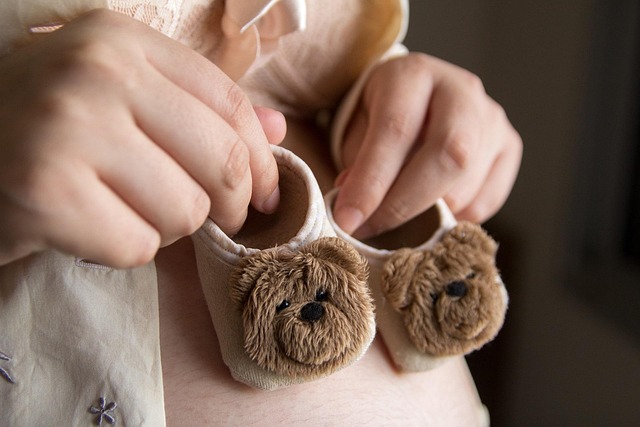
Trying to Conceive? Consider These At-Home Aids
5. Fertility Yoga
Yoga has been proven to have numerous health benefits, including reducing stress and improving overall well-being. But did you know that it can also aid in conception? Fertility yoga focuses on specific poses and breathing techniques that help improve blood flow to the reproductive organs and balance hormones. It can also reduce stress and promote relaxation, which can be crucial for couples trying to conceive.
6. Acupuncture
Acupuncture is an ancient Chinese practice that involves inserting thin needles into specific points in the body. It has been used for centuries to treat various health conditions, including fertility. Studies have shown that acupuncture can increase blood flow to the uterus and ovaries, regulate hormone levels, and improve the chances of conception. Many fertility clinics now offer acupuncture as part of their treatment plans.
7. Home Sperm Tests
While there are various aids for women trying to conceive, men can also play a significant role in the process. Home sperm tests, such as SpermCheck and YO Home Sperm Test, allow men to check their sperm count and motility in the comfort of their own home. These tests can provide valuable information and help identify any potential fertility issues in men.
8. Mindfulness and Stress Reduction Techniques
Stress can have a significant impact on fertility, as it can disrupt the delicate balance of hormones in the body. That’s why practicing mindfulness and stress reduction techniques, such as meditation and deep breathing, can be beneficial when trying to conceive. These techniques can help reduce stress levels and promote a sense of calm and relaxation, creating a more conducive environment for conception.
In summary, trying to conceive can be a challenging and emotional journey for many couples. While there is no guaranteed way to get pregnant, at-home aids can be valuable tools in increasing the chances of conception. From ovulation predictor kits and fertility tracking apps to fertility-friendly lubricants and dietary supplements, there are various aids available for couples trying to start a family. Additionally, practices like fertility yoga, acupuncture, and stress reduction techniques can also be beneficial. By incorporating some of these aids into their routine, couples can be one step closer to their dream of parenthood.