Summary:
In today’s society, there has been a significant increase in women delaying motherhood due to various reasons such as career aspirations, financial stability, and personal choices. However, as women age, their fertility decreases, making it difficult to conceive naturally. This has led to the rise of fertility treatments and egg banking as a means of preserving fertility for the future.
Syringe fertility treatment, also known as intrauterine insemination (IUI), is a commonly used method for couples struggling with infertility. It involves placing sperm directly into the uterus, increasing the chances of fertilization. This method is less invasive and less expensive than in vitro fertilization (IVF) and has a high success rate for couples with certain fertility issues.
Egg banking, on the other hand, is a process where a woman’s eggs are retrieved, frozen, and stored for future use. This has become a popular option for women who want to delay motherhood or those who are facing medical treatments that may affect their fertility. Egg freezing allows women to preserve their eggs at a younger age when they are more viable, providing them with a better chance of having a successful pregnancy in the future.
There are several reasons why women may choose to undergo egg banking. It may be due to a family history of early menopause, a medical condition that may affect fertility, or a desire to delay motherhood. Egg banking also gives women the option to have biological children later in life when they are ready to start a family.
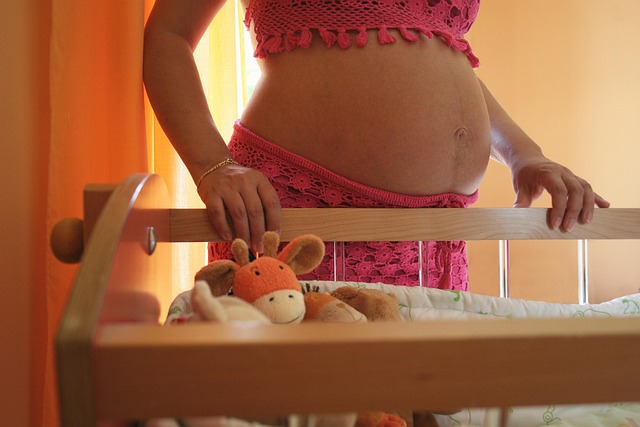
Syringe Fertility Treatment and Egg Banking: Preserving Fertility for the Future
The process of egg banking involves several steps. First, a woman will undergo hormone injections to stimulate the ovaries to produce multiple eggs. These eggs are then retrieved through a minor surgical procedure and frozen using a process called vitrification. The frozen eggs can remain viable for many years, giving women the flexibility to use them when they are ready to have a child.
One of the main benefits of egg banking is that it provides women with a sense of control over their reproductive health. It gives them the freedom to pursue their goals and aspirations without the pressure of their biological clock ticking. Additionally, egg banking can also be a viable option for same-sex couples, single women, or those who do not have a partner but still want to have a biological child in the future.
While egg banking is a promising option, it does come with its own set of challenges and limitations. The success rates of egg freezing are not as high as those of fresh eggs, and it may require multiple cycles to retrieve enough viable eggs. There is also a cost associated with the procedure, including hormone injections, egg retrieval, and storage fees. However, with advancements in technology and techniques, the success rates of egg freezing are continuously improving.
In conclusion, syringe fertility treatment and egg banking are two viable options for preserving fertility for the future. They provide women with the flexibility to make choices about their reproductive health and have a biological child when they are ready. While it may not be the right choice for everyone, it is essential to have a conversation with a fertility specialist to understand the options and determine the best course of action for individual circumstances.
SEO metadata: