Blog Post Title: Syringe Fertility Treatment and Egg Donation: Exploring the Possibilities
Introduction
Infertility is a common issue that affects millions of couples around the world. While there are various fertility treatments available, some couples may face more challenges in conceiving due to certain medical conditions or age. This is where syringe fertility treatment and egg donation come into play. In this blog post, we will explore the possibilities of these treatments and how they can help couples struggling with infertility.
Understanding Syringe Fertility Treatment
Syringe fertility treatment, also known as intrauterine insemination (IUI), is a simple and non-invasive procedure used to treat infertility. It involves injecting sperm directly into the uterus during the ovulation period, increasing the chances of fertilization. This procedure is usually recommended for couples who have unexplained infertility, mild endometriosis, or male factor infertility. It can also be used for same-sex couples or single women who wish to conceive using donor sperm.
The Process of Syringe Fertility Treatment
The first step in this process is to monitor the woman’s ovulation cycle using ultrasound and blood tests. This helps to determine the most fertile period for the woman. Next, the sperm is washed and prepared in the laboratory to separate the healthy and active sperm from the semen. The sperm is then placed into a syringe and inserted into the uterus through the cervix. The procedure takes only a few minutes, and there is no need for anesthesia.
Benefits of Syringe Fertility Treatment
One of the main benefits of syringe fertility treatment is that it is a less invasive and more affordable option compared to other fertility treatments. It also has a higher success rate in couples with mild fertility issues. Additionally, it allows for the use of donor sperm, making parenthood possible for same-sex couples and single women. The procedure is also relatively painless and has minimal side effects, making it a popular choice among couples struggling with infertility.
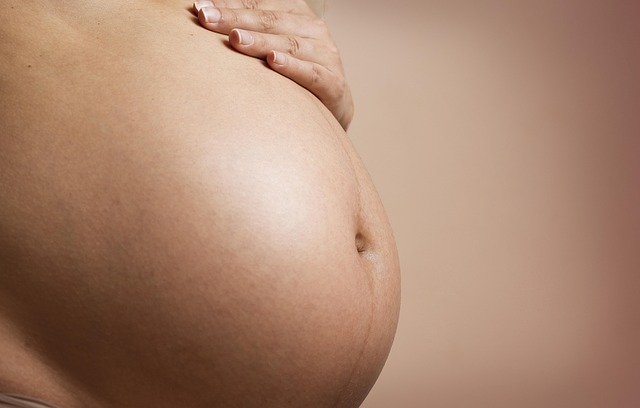
Syringe Fertility Treatment and Egg Donation: Exploring the Possibilities
Understanding Egg Donation
Egg donation is another fertility treatment option for couples who are unable to conceive with their own eggs. It involves retrieving eggs from a donor and fertilizing them with the partner’s sperm in a laboratory. The resulting embryo is then transferred into the uterus of the intended mother or a surrogate. This procedure is recommended for women who have poor egg quality, premature ovarian failure, or have undergone early menopause.
The Process of Egg Donation
The first step in egg donation is selecting a suitable donor. This donor can be known or anonymous, depending on the couple’s preference. The donor then undergoes a series of medical and psychological screenings to ensure she is healthy and suitable for donation. Once the donor is cleared, she will undergo a process called ovarian stimulation to produce multiple eggs. The eggs are then retrieved and fertilized with the partner’s sperm. The resulting embryos are monitored in the laboratory for a few days before being transferred into the intended mother’s uterus.
Benefits of Egg Donation
The biggest benefit of egg donation is that it can help women who are unable to conceive with their own eggs to have a biological child. It also allows women to experience pregnancy and childbirth, which may not have been possible otherwise. Egg donation also has a higher success rate compared to other fertility treatments, making it a popular choice among couples struggling with infertility.
Exploring the Possibilities
Both syringe fertility treatment and egg donation offer hope to couples struggling with infertility. These treatments have helped thousands of couples around the world to fulfill their dream of parenthood. With advancements in technology, these procedures have become more successful and accessible, giving couples more options to explore.
Conclusion
Infertility can be a difficult and emotional journey for couples, but syringe fertility treatment and egg donation offer a glimmer of hope. These treatments provide a ray of light for couples who have been struggling to conceive and allow them to experience the joys of parenthood. With the right medical guidance and support, these possibilities can become a reality for many couples.
In summary, syringe fertility treatment and egg donation are two effective fertility treatment options that can help couples struggling with infertility. They offer a more affordable and less invasive alternative to other treatments and have a higher success rate. These treatments have made it possible for many couples to overcome their fertility struggles and start a family.