Blog Post:
Syringe fertility treatment, also known as intrauterine insemination (IUI), is a form of assisted reproductive technology (ART) that involves placing sperm directly into a woman’s uterus in order to increase the chances of fertilization and pregnancy. While this method has been used for decades to help couples struggling with infertility, it has also sparked ethical debates and controversies regarding its use and implications. In this blog post, we will explore the ethics of syringe fertility treatment and the various arguments surrounding the controversy.
The main ethical concern surrounding syringe fertility treatment is the potential for it to be used for non-medical purposes, such as choosing the gender of a baby or creating “designer babies.” This raises questions about the value of human life and the slippery slope of using technology for selective reproduction. On the other hand, advocates of syringe fertility treatment argue that it is a safe and effective way to help couples achieve their dream of having a child, and that the decision to undergo the treatment should be left to the individuals involved.
One of the main arguments against syringe fertility treatment is that it goes against the natural process of conception and interferes with the natural course of life. Some religious and cultural groups view ART as playing God and believe that only natural methods of conception should be used. They also argue that creating life in a laboratory devalues the sanctity of human life and could potentially lead to a society where children are seen as commodities rather than precious gifts.
Another ethical concern surrounding syringe fertility treatment is the potential for harm to the child. The process involves using a syringe to inject sperm directly into the uterus, bypassing the natural filters of the female reproductive system. This raises concerns about the quality and health of the sperm used, as well as the potential for multiple pregnancies and the associated risks for the mother and babies.
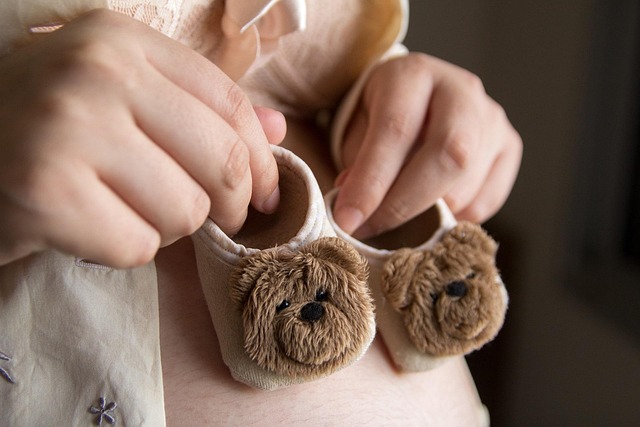
The Ethics of Syringe Fertility Treatment: Debating the Controversy
There are also concerns about the emotional and psychological impact on the child conceived through syringe fertility treatment. Some argue that children born through ART may struggle with issues of identity and belonging, especially if they were conceived using donor sperm. This raises questions about the rights of the child to know their genetic origins and the responsibility of parents to disclose this information.
On the other hand, supporters of syringe fertility treatment argue that it is a safe and effective way to help couples overcome infertility. They argue that it is a medical procedure that should be available to those who need it, and that it is not fundamentally different from other medical interventions such as surgery or medication. They also point out that the decision to undergo the treatment is a personal one and should not be judged by others.
Furthermore, supporters argue that the use of technology in reproduction is not a new concept. In vitro fertilization (IVF), which involves fertilizing an egg with sperm in a laboratory and then placing the fertilized egg into the uterus, has been used for decades and is widely accepted. They argue that syringe fertility treatment is simply a less invasive and more affordable option for couples who do not require the more complex procedures of IVF.
Another argument in favor of syringe fertility treatment is that it allows individuals and couples to have control over their reproductive choices. Many couples who turn to ART have already tried and failed to conceive through natural methods, and the ability to undergo syringe fertility treatment gives them hope and a sense of control over their fertility. Additionally, for same-sex couples and single individuals who desire to have children, syringe fertility treatment provides them with a viable option to start a family.
In response to the concerns about non-medical uses of syringe fertility treatment, many countries have established regulations and guidelines to ensure that the procedure is used for valid medical reasons. For example, in the UK, the Human Fertilisation and Embryology Authority (HFEA) regulates all fertility treatments and requires clinics to adhere to strict guidelines and ethical standards. This includes a ban on gender selection and a limit on the number of embryos that can be implanted during each cycle.
In summary, the ethics of syringe fertility treatment are complex and multifaceted. While there are valid concerns about its potential misuse and harm to the child, there are also compelling arguments for its use as a medical intervention and a means for individuals and couples to have control over their reproductive choices. Ultimately, the decision to undergo syringe fertility treatment should be made by the individuals involved, but it is important to have regulations and guidelines in place to ensure that it is used ethically and responsibly.