Blog Post Title: Breaking Barriers: The Rise of Home Insemination for Lesbian Couples
Summary:
The LGBTQ+ community has made significant strides in gaining acceptance and rights in recent years, including the right to marry and start a family. However, for lesbian couples, the traditional route of conceiving a child through sexual intercourse with a male partner is not an option. This has led to the rise of home insemination, a method that allows lesbian couples to try to conceive a child in the comfort and privacy of their own home. In this blog post, we will explore the history of home insemination, its benefits and challenges, and how it is breaking barriers for lesbian couples who want to start a family.
The History of Home Insemination:
Home insemination has been around for decades, but it gained widespread attention and acceptance in the late 20th century. In the past, lesbian couples had limited options for starting a family, such as adoption or using a sperm bank. However, the cost and legal implications of these options were often barriers for many couples.
In 1979, a lesbian couple in the United States, Sharon and Candy, became the first lesbian couple to conceive a child through home insemination. They used a syringe and sperm from a male friend, and their daughter, Tara, was born nine months later. This groundbreaking event sparked a movement and brought attention to the possibility of lesbian couples conceiving children without the need for medical intervention or a male partner.
Benefits of Home Insemination:
One of the main benefits of home insemination is that it allows lesbian couples to have a more intimate and private experience while trying to conceive. Unlike artificial insemination in a doctor’s office, home insemination can be done in the comfort of one’s own home, without the presence of medical professionals. This can be especially appealing for couples who may feel uncomfortable or anxious in a clinical setting.
Home insemination can also be a more affordable option for couples, as it eliminates the cost of medical procedures and appointments. The only costs associated with home insemination are the purchase of sperm and any necessary supplies, such as syringes or ovulation kits. This can make the process more accessible for couples who may not have the financial means for other methods of conception.
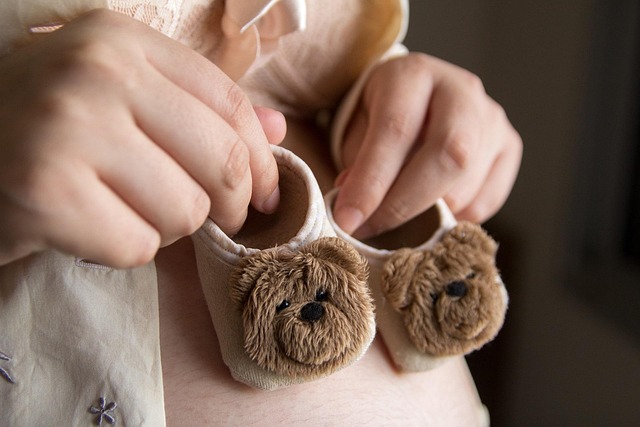
Breaking Barriers: The Rise of Home Insemination for Lesbian Couples
Challenges of Home Insemination:
While home insemination may have its benefits, it also comes with its own set of challenges. One of the main challenges is the lack of regulation and oversight. Unlike medical procedures, home insemination is not monitored by a doctor, and there are no legal guidelines for the process. This can raise concerns about the safety and health of both the donor and the recipient.
Another challenge is finding a suitable sperm donor. Unlike a sperm bank, where donors are screened and tested for genetic and medical conditions, finding a donor for home insemination can be a more daunting task. Couples may turn to friends or acquaintances, but this can also come with its own complications, such as legal and emotional issues.
Breaking Barriers:
Despite the challenges, home insemination has been a game-changer for lesbian couples who want to start a family. It has allowed them to take control of their own fertility and break free from societal norms and barriers. With advancements in technology, home insemination has become a more accessible and viable option for many couples.
There are now websites and online communities dedicated to connecting donors with recipients, making the process of finding a sperm donor easier and more secure. Some companies even offer at-home insemination kits that come with pre-screened and tested sperm, eliminating the need for couples to find their own donor.
In addition, many countries have also started to recognize the rights of lesbian couples to conceive through home insemination. In the United Kingdom, lesbian couples can now have both partners listed on their child’s birth certificate, regardless of whether the child was conceived through home insemination or other assisted reproductive technologies. This is a huge step towards equality for lesbian couples who want to start a family.
Conclusion:
The rise of home insemination has broken barriers for lesbian couples who want to start a family. It has provided them with a more intimate and affordable option for conceiving a child, while also giving them a sense of control over their own fertility. However, there are still challenges and concerns that need to be addressed, such as regulation and finding a suitable sperm donor. But with the continued advancements in technology and changing societal attitudes, home insemination is becoming a more accepted and accessible option for lesbian couples.