Summary:
Fertility is a sensitive and personal topic for many individuals and couples. The journey to conceive can be filled with challenges, and it can often feel like an overwhelming and frustrating process. However, with advancements in technology and medicine, there are now more options available to help individuals and couples achieve their dream of starting a family.
One of these options is home use aids for fertility care. These aids, ranging from ovulation prediction kits to fertility monitors, can provide valuable insights and assistance in the process of conception. In this blog post, we will explore the different types of home use aids available, how they work, and their potential benefits in helping individuals and couples conceive.
First and foremost, it is essential to understand the basics of fertility and conception. Fertility refers to the ability to conceive and carry a pregnancy to term, while conception is the process of fertilization and implantation of an egg in the uterus. For conception to occur, a few factors need to align, such as the release of a mature egg from the ovaries, the presence of healthy and motile sperm, and a receptive uterus.
One of the most common home use aids for fertility care is the ovulation prediction kit. These kits measure the levels of luteinizing hormone (LH) in urine to predict when ovulation is about to occur. LH is a hormone produced by the pituitary gland, and its surge triggers the release of an egg from the ovaries. By tracking the LH levels, ovulation prediction kits can help individuals and couples identify the most fertile window in their menstrual cycle.
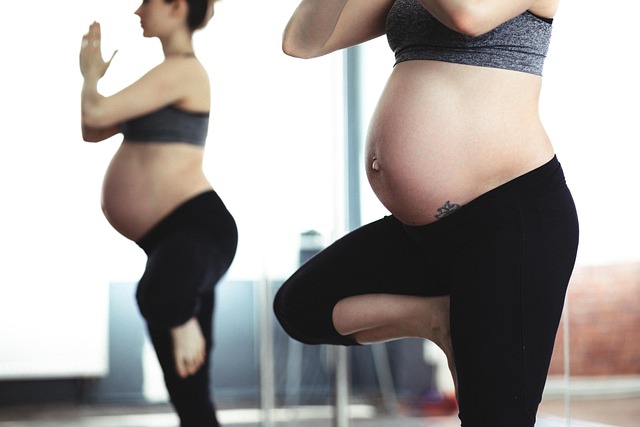
/7 Fertility Care: How Home Use Aids Can Help You Conceive
Another popular home use aid is the fertility monitor. Unlike ovulation prediction kits, fertility monitors track not only LH levels but also other hormones, such as estrogen and progesterone, to provide a more comprehensive picture of a woman’s fertility. These monitors use advanced technology, such as urine tests and saliva tests, to detect hormonal changes and provide personalized fertility predictions.
In addition to predicting ovulation, home use aids can also help individuals and couples determine the best time to have intercourse for conception. Sperm can survive in the female reproductive tract for up to five days, while an egg can only survive for about 24 hours after ovulation. Therefore, having intercourse during the fertile window, which typically lasts about six days, can increase the chances of conception.
Moreover, home use aids can also assist in monitoring overall reproductive health. For example, fertility monitors can track the length of a woman’s menstrual cycle, the regularity of her cycles, and the timing of ovulation. This information can be valuable in identifying any potential issues that may be affecting fertility and seeking medical attention if necessary.
Apart from monitoring fertility, home use aids can also be beneficial for couples undergoing fertility treatments. For instance, couples undergoing intrauterine insemination (IUI) or in vitro fertilization (IVF) can use ovulation prediction kits or fertility monitors to time their fertility treatments accurately. This can increase the chances of a successful pregnancy and reduce the need for multiple treatment cycles.
In conclusion, fertility care can be a challenging and emotional journey, but home use aids can provide valuable support and assistance. These aids can help individuals and couples track their menstrual cycles, predict ovulation, and determine the best time for conception. They can also be useful for monitoring reproductive health and assisting in fertility treatments. With the help of these home use aids, individuals and couples can take a more proactive and informed approach to their fertility journey.
SEO metadata: