The Modern Family: Single Women and Home Insemination
In today’s society, the traditional idea of a family has evolved to include a diverse range of configurations. One of the most notable changes is the rise of single women choosing to become mothers through home insemination. With advancements in technology and a shift in cultural attitudes, this once stigmatized choice has become a viable option for many single women who desire to have children. In this blog post, we will explore the trend of single women choosing home insemination, the reasons behind this choice, and the potential challenges and benefits that come with it.
The Rise of Single Women Choosing Home Insemination
The number of single women choosing to become mothers through home insemination has been steadily increasing in recent years. This trend is largely attributed to the advancements in assisted reproductive technology, specifically the availability of at-home insemination kits and sperm banks. These options allow women to bypass the traditional route of finding a male partner to conceive with, and instead, take matters into their own hands.
Moreover, societal attitudes towards single motherhood have also shifted, with more acceptance and support for women choosing to have children on their own. This has created a more welcoming environment for single women to pursue motherhood without the fear of judgment or stigma. As a result, more and more women are opting to become single mothers through home insemination.
Reasons Behind the Choice of Home Insemination
There are various reasons why single women may choose home insemination as their preferred method of conceiving. One of the most significant factors is the desire for biological motherhood. With home insemination, women can use their own eggs and have a genetic connection to their child. This can be a crucial factor for those who have always dreamed of having a biological child and do not want to compromise on that aspect.
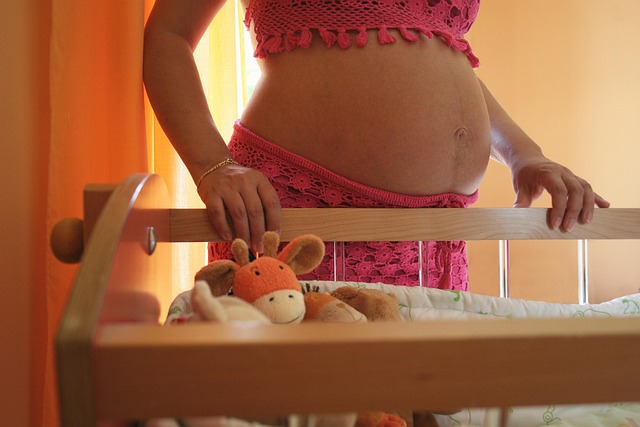
The Modern Family: Single Women and Home Insemination
Additionally, the cost of assisted reproductive technology at a clinic can be a significant barrier for single women. By opting for home insemination, women can save a significant amount of money as they do not have to pay for the services of a fertility clinic. This makes motherhood a more feasible option for those who may not have the financial means to undergo treatments at a clinic.
Challenges and Benefits of Home Insemination
While home insemination offers a more affordable and convenient option for single women to become mothers, there are also some challenges and benefits to consider. One of the most significant challenges is the lack of legal protection for single mothers who have conceived through home insemination. In many countries, the sperm donor is considered the legal father, which can create complications in terms of parental rights and responsibilities. This can be a daunting prospect for single mothers who may not have a known donor or have used donor sperm from a sperm bank.
On the other hand, there are also many benefits to choosing home insemination. The most obvious one is the ability to have complete control over the process. Women can choose the timing and frequency of inseminations, as well as the sperm donor, without any external factors influencing their decisions. This can be especially empowering for women who may have felt pressured or restricted in their options when seeking assistance from a clinic.
Moreover, home insemination also allows for a more intimate and personal experience for single mothers. They can involve their friends or family in the process, creating a support system for themselves and their future child. This can be a crucial aspect for single mothers who may not have a partner to share the journey of pregnancy and parenthood with.
In conclusion, the modern family has evolved to include single women choosing to become mothers through home insemination. With advancements in technology and a shift in societal attitudes, this choice has become a viable and accessible option for those who desire to have children. While there are challenges and benefits to consider, the decision to become a single mother through home insemination is a personal and empowering one that deserves recognition and support.
Summary:
The traditional idea of a family has evolved to include single women choosing to become mothers through home insemination. This trend is attributed to advancements in technology and a shift in cultural attitudes. The desire for biological motherhood, the cost of assisted reproductive technology, and the desire for control are some reasons behind this choice. While there are challenges such as legal protection, there are also benefits such as control and a more personal experience. Overall, the decision to become a single mother through home insemination is a personal and empowering one that deserves recognition and support.