As more and more women are choosing to delay marriage and prioritize their careers, the number of single women has been steadily increasing. This shift in societal norms has also led to a rise in single women choosing to become mothers through alternative methods, such as home insemination. In the past, women who desired to have a child without a partner faced many societal and medical barriers. However, with the rise of home insemination, single women are now able to take control of their fertility and start their own families on their own terms.
Home insemination, also known as self-insemination or self-administered insemination, is the process of intentionally inseminating oneself with donor sperm at home. This method of conception has been around for decades, but it has gained popularity in recent years due to advancements in technology and the increasing acceptance of non-traditional families.
One of the main reasons why home insemination has become a viable option for single women is the accessibility of donor sperm. With the rise of sperm banks and online donor databases, women can now easily access and purchase donor sperm for home insemination. This eliminates the need for a partner or a medical professional to be involved in the insemination process.
Another factor contributing to the rise of home insemination is the increasing acceptance and support for non-traditional families. In the past, single women who desired to have a child without a partner may have faced judgment and criticism from society. However, with the growing understanding and recognition of different family structures, more and more women are feeling empowered to start their own families through alternative methods.
Home insemination also offers single women more control and privacy over the conception process. Unlike traditional methods of fertility treatment, which often involve multiple visits to a medical facility and invasive procedures, home insemination can be done in the comfort and privacy of one’s own home. This allows women to feel more in control of their fertility journey and to avoid any potential judgment or stigma from medical professionals.
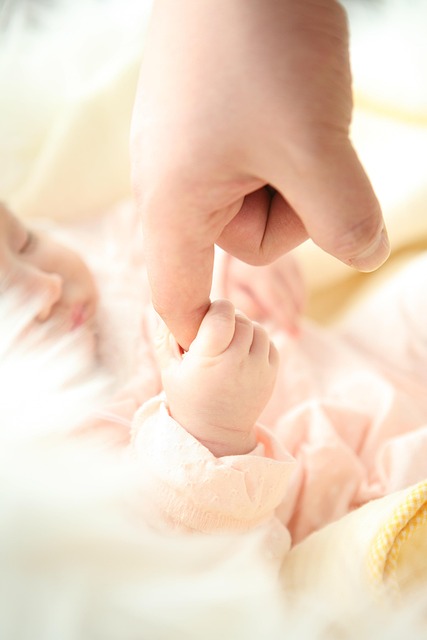
Empowering Single Women: The Rise of Home Insemination
In addition to the practical and societal benefits, home insemination also offers a sense of empowerment to single women. By taking control of their own fertility and making the decision to become a mother without a partner, these women are breaking societal norms and proving that they do not need a partner to start a family. This sense of empowerment can have a positive impact on their self-esteem and overall well-being.
However, it is important to note that home insemination is not without its risks and challenges. It is essential for women to thoroughly research and understand the process before embarking on home insemination. It is also recommended to consult with a fertility specialist to ensure that the process is done safely and effectively.
Furthermore, home insemination raises important ethical and legal considerations. In some countries, home insemination is not regulated, which can lead to issues with parental rights and responsibilities. It is crucial for single women to be aware of the laws and regulations surrounding home insemination in their respective countries before proceeding with the process.
Despite these challenges, the rise of home insemination has undoubtedly empowered many single women to take control of their fertility and start their own families. It has opened up new possibilities for women who may have thought that motherhood was not an option for them without a partner. Home insemination has also brought attention to the importance of women’s reproductive rights and the need for more inclusive and accessible family planning options.
In conclusion, the rise of home insemination is a significant development in the empowerment of single women. It has provided them with the opportunity to start their own families on their own terms, breaking societal norms and proving that motherhood does not require a partner. While there are still challenges and considerations to be addressed, home insemination has undoubtedly given single women more control, choice, and agency over their fertility and family planning.
SEO metadata: