The Impact of 20. Insemination on Traditional Family Dynamics for Couples
In recent years, there has been a significant shift in the way families are created. With advancements in technology and society’s changing attitudes towards traditional family structures, more and more couples are turning to alternative methods to conceive. One such method that has gained popularity is 20. insemination, also known as donor insemination or artificial insemination. This procedure involves the placement of sperm into a woman’s reproductive tract to fertilize her eggs, either through a medical procedure or at home with the use of a donor kit. While this method has provided hope for many couples struggling with fertility, it has also raised questions about its impact on traditional family dynamics. In this blog post, we will explore the effects of 20. insemination on traditional family dynamics for couples.
Firstly, it is important to understand the traditional family structure and dynamics that have been the norm for centuries. The traditional family was typically seen as a heterosexual unit, consisting of a married man and woman who have children together through natural conception. This nuclear family structure was considered the ideal and was deeply ingrained in societal expectations and values. However, with the rise of 20. insemination, this traditional family structure is being challenged.
One of the main impacts of 20. insemination on traditional family dynamics is the shift in gender roles and expectations within the family. In traditional families, the man was seen as the primary breadwinner and the woman as the primary caregiver. However, with 20. insemination, the woman may choose to have a child without the involvement of a male partner, thus breaking away from the traditional gender roles. This can lead to a redefinition of roles and responsibilities within the family, with both partners taking on equal roles in providing financial and emotional support for the child.
Moreover, 20. insemination also challenges the notion of a biological connection between parents and their children. In traditional families, the biological link between parents and children was seen as essential for forming a strong family bond. With donor insemination, this biological connection is no longer a given, and the child may have no genetic ties to one or both parents. This can raise questions about the child’s identity and sense of belonging within the family, as well as the role of the non-biological parent in the child’s life.
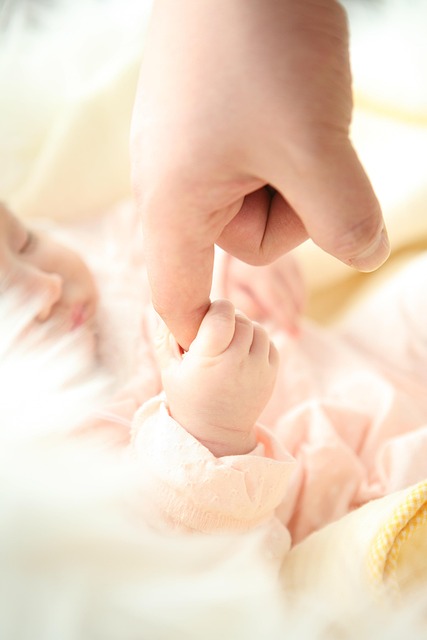
The Impact of 20. Insemination on Traditional Family Dynamics for Couples
Another impact of 20. insemination on traditional family dynamics is the concept of a “non-traditional” family. In the past, families were often judged based on the traditional nuclear family model, and those who did not fit this mold were seen as deviating from societal norms. However, with the increasing acceptance of 20. insemination and other alternative methods of family creation, the definition of a family is expanding. This new definition includes same-sex couples, single parents, and couples who have used donor insemination, challenging the traditional notion of what constitutes a family.
Additionally, 20. insemination has also raised questions about the involvement of the donor in the child’s life and the impact on the family dynamic. In some cases, the donor may be known to the parents, while in others, they may be anonymous. This can lead to complex emotions for both the parents and the child, as well as potential legal issues. It also raises questions about the role of the donor in the child’s life and their rights as a parent figure.
On the positive side, 20. insemination has allowed many couples who may not have been able to conceive naturally to have children. This has given hope to those struggling with fertility issues and has provided them with an alternative way to fulfill their desire to have a family. It has also allowed for more diverse and inclusive families, breaking away from the traditional model and promoting acceptance and understanding of different family structures.
In conclusion, 20. insemination has had a significant impact on traditional family dynamics for couples. It challenges traditional gender roles and expectations, questions the importance of a biological connection between parents and children, expands the definition of a family, and raises complex issues surrounding the role of the donor in the child’s life. While it has its challenges, it also provides hope for those struggling with fertility and promotes diversity and inclusivity in family structures.
Summary: 20. insemination, also known as donor insemination or artificial insemination, has had a significant impact on traditional family dynamics for couples. It challenges traditional gender roles and expectations, questions the importance of a biological connection between parents and children, expands the definition of a family, and raises complex issues surrounding the role of the donor in the child’s life. While it has its challenges, it also provides hope for those struggling with fertility and promotes diversity and inclusivity in family structures.