Blog Post:
Home insemination with a syringe, also known as artificial insemination, is a method used by many couples and individuals to achieve pregnancy. It involves using a syringe to deposit semen in the vagina or cervix, bypassing traditional sexual intercourse. While this method has been used for decades, there is limited research on the impact of age on its success. In this blog post, we will explore the various factors related to age that can affect home insemination with a syringe.
The Basics of Home Insemination with a Syringe
Before delving into the impact of age, it is important to understand how home insemination with a syringe works. This method involves collecting semen from a male partner or a sperm donor and then using a syringe to deposit it into the vagina or cervix. The timing of insemination is crucial, as it should occur during ovulation to increase the chances of pregnancy.
One of the main benefits of home insemination with a syringe is that it can be done in the comfort of one’s own home, without the need for medical intervention. It is also a cost-effective and less invasive alternative to other fertility treatments. However, it is important to note that this method may not be suitable for everyone and should be discussed with a healthcare provider before attempting it.
The Impact of Age on Home Insemination with a Syringe
Age is a significant factor that can impact the success of home insemination with a syringe. As women age, their fertility decreases, making it more challenging to conceive. This is due to a decline in the quantity and quality of eggs. According to the American Society for Reproductive Medicine, the chances of getting pregnant through home insemination are lower for women over the age of 35.
For women in their late 30s and 40s, there is also an increased risk of miscarriage and chromosomal abnormalities in the fetus. This can further decrease the chances of a successful pregnancy through home insemination. Therefore, it is crucial for women in this age group to consult with a healthcare provider before attempting this method.
On the other hand, age also plays a role in male fertility. As men age, the quality and quantity of their sperm may decrease, making it more challenging to achieve pregnancy. This is known as male age-related infertility. While the decline in male fertility is not as significant as female fertility, it can still impact the success of home insemination with a syringe.
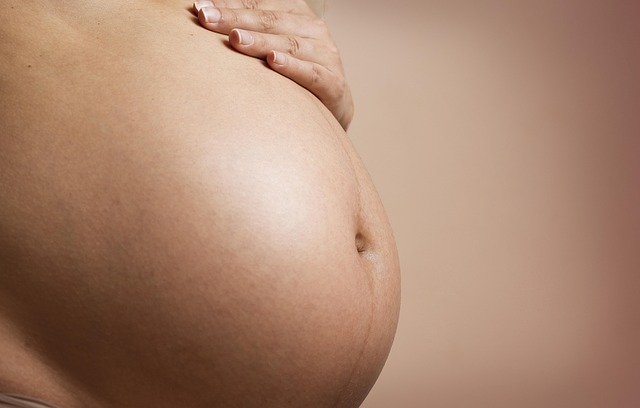
The Impact of Age on Home Insemination with a Syringe
Other Factors to Consider
Apart from age, there are other factors that can affect the success of home insemination with a syringe. These include overall health, underlying medical conditions, and lifestyle choices. For women, having a healthy weight and regular ovulation are essential for increasing the chances of getting pregnant through home insemination. Similarly, men should maintain a healthy lifestyle and avoid factors that can negatively impact sperm quality, such as smoking and excessive alcohol consumption.
For individuals with underlying medical conditions, it is crucial to consult with a healthcare provider before attempting home insemination with a syringe. Conditions such as polycystic ovary syndrome (PCOS), endometriosis, and male factor infertility can all impact the success of this method. In some cases, medical intervention may be necessary to achieve pregnancy.
Tips for Successful Home Insemination with a Syringe
While age and other factors can impact the success of home insemination with a syringe, there are some tips that can increase the chances of achieving pregnancy through this method. These include tracking ovulation using ovulation predictor kits or fertility tracking apps, using high-quality sperm, and ensuring proper timing of insemination. It is also essential to follow proper hygiene and sterile techniques to avoid any risk of infection.
In some cases, healthcare providers may recommend using fertility drugs to stimulate ovulation and increase the chances of pregnancy. However, this should only be done under medical supervision and after a thorough evaluation of the individual’s health.
In conclusion, age can have a significant impact on the success of home insemination with a syringe. As women and men age, their fertility decreases, making it more challenging to achieve pregnancy. It is essential to consider all factors, including age, before attempting this method and to consult with a healthcare provider for personalized guidance. With proper planning and timing, home insemination with a syringe can be a successful method for achieving pregnancy.
Summary:
Home insemination with a syringe is a method used to achieve pregnancy by depositing semen into the vagina or cervix using a syringe. Age is a crucial factor that can impact the success of this method, as women and men’s fertility decreases with age. Women over the age of 35 may have lower chances of getting pregnant through home insemination, and men may experience age-related infertility. Other factors such as overall health, underlying medical conditions, and lifestyle choices can also affect the success of home insemination. It is crucial to consider these factors and consult with a healthcare provider for personalized guidance. With proper planning and timing, home insemination with a syringe can be a successful method for achieving pregnancy.