Blog Post Title: Conceiving at Home: The Impact on Siblings and Extended Family
Conceiving a child is a life-changing event that affects not only the parents but also the rest of the family. With the rise in popularity of home births and home insemination methods, more and more couples are choosing to conceive at home. While this may be a personal decision, it can have a significant impact on the siblings and extended family members of the child being conceived. In this blog post, we will explore the effects of conceiving at home on siblings and extended family and how to navigate this decision in a way that is beneficial for everyone involved.
The Siblings’ Perspective
Siblings play a crucial role in a child’s life, and the arrival of a new sibling can be both exciting and overwhelming. When a child is conceived at home, the siblings may be involved in the process, either by being present during the home birth or being aware of the home insemination. This can have a positive impact on the siblings, as they feel included and part of the growing family. It can also help them to understand the concept of childbirth and reproduction at a young age.
However, there may also be challenges for the siblings when a child is conceived at home. They may feel left out or jealous of the attention given to the new baby, especially if the parents are busy with the home birth or insemination process. This can lead to feelings of resentment towards the new baby and strain the sibling’s relationship with the parents. It is essential for parents to communicate openly with their children and involve them in the process as much as possible to alleviate any negative feelings.
Extended Family’s Reaction
The decision to conceive at home can also have an impact on the extended family members, such as grandparents, aunts, and uncles. In traditional cultures, childbirth is seen as a family affair, and everyone is involved in welcoming the new member of the family. When a child is conceived at home, it may be challenging for some family members to understand and accept this decision. They may have concerns about the safety of the mother and the baby, and they may feel excluded from the process.
It is crucial for parents to communicate their reasons for choosing to conceive at home to their extended family. They can also provide them with information about the safety and benefits of home births or home insemination. It is also essential to involve the extended family in the pregnancy and birth process, such as inviting them to prenatal appointments or having them present during the birth. This can help to alleviate any concerns or feelings of exclusion and foster a supportive and positive family environment.
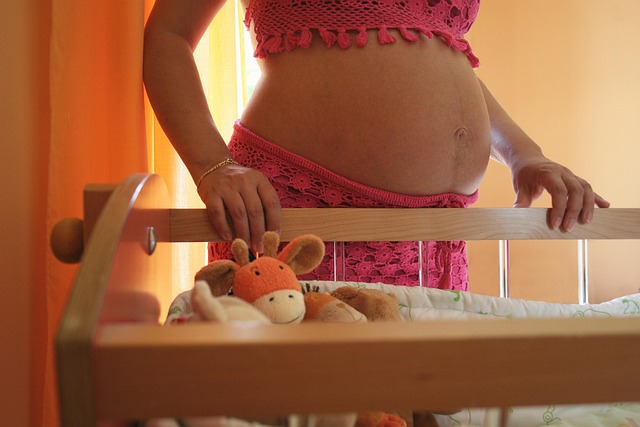
Conceiving at Home: The Impact on Siblings and Extended Family
Impact on Family Dynamics
The decision to conceive at home can also have a significant impact on the overall family dynamics. It may challenge traditional roles and expectations within the family, especially in cultures where childbirth is seen as a woman’s duty. The father may take on a more active role in the pregnancy and birth process, and the mother may have a more extended recovery time, leading to a shift in responsibilities and roles within the family.
It is essential for families to have open and honest communication about these changes and to support each other through them. Setting expectations and boundaries can also help to manage any potential conflicts or misunderstandings. It is also crucial to involve all family members in the decision-making process and consider their opinions and feelings.
Navigating the Decision to Conceive at Home
Choosing to conceive at home is a personal decision that requires careful consideration and planning. It is essential to research and understand the risks and benefits of home births or home insemination and to consult with a healthcare provider. It is also crucial to have a backup plan in case of any complications or emergencies during the birth.
Involving the whole family in the decision-making process can also help to ease any concerns and ensure that everyone feels included and supported. It is also essential to communicate openly and honestly with family members, address any concerns or questions they may have, and listen to their opinions and feelings.
In conclusion, conceiving at home can have a significant impact on the siblings and extended family members of the child being conceived. While it can be a positive experience for everyone involved, it is crucial to navigate this decision with care and consideration. Open communication, involvement of family members, and setting expectations and boundaries can help to create a supportive and harmonious family environment.
SEO metadata: