Blog Post: Syringe Insemination and Egg Donation: A Winning Combination
Assisted reproductive technology (ART) has revolutionized the way many couples and individuals conceive children. From in vitro fertilization (IVF) to surrogacy, there are a variety of options available for those struggling with fertility issues. One lesser-known but highly effective method is syringe insemination combined with egg donation. This winning combination offers hope to individuals and couples who have been unsuccessful with traditional methods of conception. In this blog post, we will explore the process of syringe insemination and egg donation, its success rates, and the benefits it offers for those seeking to start or expand their families.
What is Syringe Insemination?
Syringe insemination, also known as intrauterine insemination (IUI), is a relatively simple and non-invasive fertility treatment. It involves the direct insertion of sperm into a woman’s uterus during her fertile window, increasing the chances of fertilization. This procedure is typically done in a doctor’s office and does not require anesthesia. The sperm is collected and washed to remove any impurities or debris, and then inserted into the uterus through a thin catheter. This process bypasses any potential issues with the sperm being able to reach the egg and increases the chances of conception.
What is Egg Donation?
Egg donation is a process in which a woman donates her eggs to be fertilized by sperm and implanted into another woman’s uterus. This procedure is typically used for women who cannot produce healthy eggs, have experienced early menopause, or have a genetic condition that they do not want to pass on to their child. The egg donor undergoes hormone injections to stimulate egg production, and the eggs are retrieved through a minor surgical procedure. The donated eggs are then fertilized with sperm in a laboratory and implanted into the recipient’s uterus through IVF or syringe insemination.
The Winning Combination
The combination of syringe insemination and egg donation is a highly effective option for those struggling with fertility issues. It addresses both male and female fertility factors, increasing the chances of conception. For individuals or couples with male factor infertility, syringe insemination ensures that the sperm reaches the egg for fertilization. For those with female factor infertility, egg donation provides healthy and viable eggs for fertilization. This winning combination offers hope to individuals and couples who have been unsuccessful with traditional methods of conception.
Success Rates
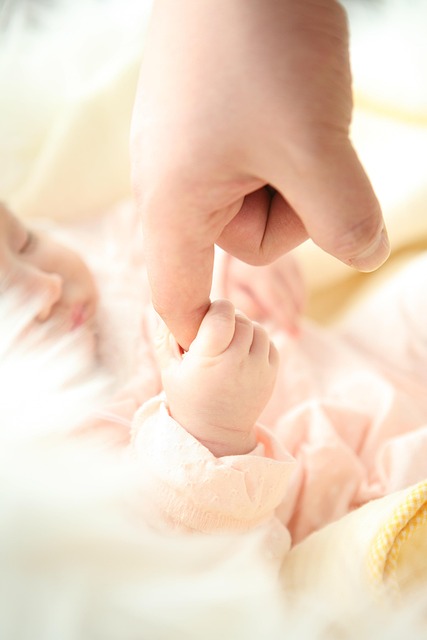
Syringe Insemination and Egg Donation: A Winning Combination
According to the American Pregnancy Association, the success rates of syringe insemination combined with egg donation can range from 15-20% per cycle. This is significantly higher than the success rates of syringe insemination alone, which range from 5-15% per cycle. The success rates of egg donation alone can also vary, depending on the age and health of the donor, but generally range from 30-50% per cycle. Therefore, the combination of these two procedures can greatly increase the chances of a successful pregnancy.
Benefits of Syringe Insemination and Egg Donation
Aside from the increased success rates, syringe insemination and egg donation offer numerous benefits for those seeking to start or expand their families. These include:
1. More affordable than other fertility treatments: Compared to IVF, syringe insemination and egg donation are more affordable options for individuals and couples struggling with fertility issues.
2. Non-invasive and minimal side effects: Both procedures are minimally invasive and do not require anesthesia, making them safer and easier to recover from than other fertility treatments.
3. Shorter time frame: The entire process of syringe insemination and egg donation can take as little as two weeks, making it a quicker option for those eager to start a family.
4. Genetic screening: Egg donation allows for genetic screening of the donor, reducing the risk of passing on genetic disorders or diseases to the child.
5. Greater control over the pregnancy: With egg donation, the recipient has greater control over the pregnancy and can experience the joys of carrying and delivering the child.
In summary, syringe insemination and egg donation are a winning combination for those struggling with fertility issues. This highly effective and affordable option offers hope to individuals and couples looking to start or expand their families. With its increased success rates, minimal side effects, and genetic screening options, it is no wonder that many are turning to this combination for their fertility needs.