The Rising Popularity of DIY Fertility: What Experts Have to Say
In recent years, there has been a growing trend of individuals and couples turning to do-it-yourself (DIY) fertility methods in hopes of conceiving. With the rising costs and emotional toll of traditional fertility treatments, DIY fertility has become an appealing option for many. But what do experts have to say about this trend? Is it safe and effective? In this blog post, we will explore the reasons behind the popularity of DIY fertility, the potential risks and benefits, and the perspectives of medical professionals.
Reasons for the Popularity of DIY Fertility
One of the main reasons for the growing popularity of DIY fertility is the high cost of traditional fertility treatments. According to the American Society for Reproductive Medicine, the average cost of one cycle of in vitro fertilization (IVF) is around $12,000. This price tag can be a major barrier for many individuals and couples who are struggling with infertility.
Another factor is the emotional toll of traditional fertility treatments. For some, the constant visits to doctors, injections, and procedures can be overwhelming and stressful. DIY fertility methods, on the other hand, allow individuals to take control of their own fertility journey and minimize the need for medical intervention.
Finally, the rise of social media and online communities has made it easier for individuals to access information and resources on DIY fertility. From blogs and forums to YouTube tutorials, there is no shortage of information on how to track ovulation, use at-home fertility tests, and try natural remedies for fertility.
Risks and Benefits of DIY Fertility
While DIY fertility can be a more affordable and empowering option for some, it is important to understand the potential risks and benefits before embarking on this journey. One of the main risks of DIY fertility is the lack of medical supervision. Without professional guidance, individuals may not receive the necessary support and monitoring to ensure their health and safety during the process.
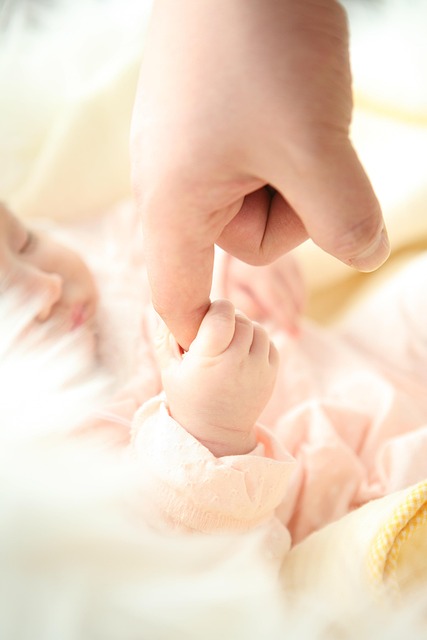
The Rising Popularity of DIY Fertility: What Experts Have to Say
There is also a risk of misinterpreting or misunderstanding information found online, which can lead to incorrect use of fertility tools and medications. This can be dangerous and may result in adverse effects on fertility or overall health.
On the other hand, DIY fertility can offer benefits such as flexibility and convenience. Many individuals may find it easier to track their ovulation and take fertility tests at home rather than making frequent visits to a clinic. It can also be a more private and discreet option for those who prefer to keep their fertility journey confidential.
Expert Perspectives on DIY Fertility
Medical professionals have mixed opinions on the rising popularity of DIY fertility. Some experts argue that DIY fertility can be a safe and effective option for those who are well-informed and follow proper guidelines. Dr. Christos Coutifaris, a reproductive endocrinologist at the University of Pennsylvania, believes that “there are a lot of misconceptions about fertility and DIY methods, but with proper education and guidance, they can be effective.”
However, other experts warn against the potential risks and lack of medical oversight in DIY fertility. Dr. Jennifer Hirshfeld-Cytron, an assistant professor of reproductive endocrinology and infertility at Northwestern University Feinberg School of Medicine, cautions that “DIY fertility methods can be a slippery slope and may give individuals a false sense of control. It is important to have a medical professional involved in the process to ensure safety and efficacy.”
Summary
The rising popularity of DIY fertility can be attributed to the high costs and emotional toll of traditional fertility treatments, as well as the accessibility of information and resources online. While it may offer benefits such as affordability and convenience, there are also potential risks involved, including lack of medical supervision and misinterpretation of information. Medical professionals have varying opinions on DIY fertility, with some acknowledging its potential effectiveness when done properly, while others caution against the risks and emphasize the importance of medical oversight.
In conclusion, DIY fertility may be a viable option for some individuals, but it is crucial to weigh the risks and benefits and seek professional guidance before embarking on this journey. As with any medical decision, it is important to make informed choices and prioritize safety and efficacy.