The journey to parenthood can be a challenging and emotional one for any couple, but for same-sex couples, there can be additional obstacles to overcome. While adoption and surrogacy are common options for starting a family, many same-sex couples are turning to home insemination as a more affordable and personal way to conceive. In this blog post, we will explore the road to parenthood for same-sex couples and how home insemination can be a viable option for starting a family.
First, we must understand what home insemination is and how it differs from other methods of conception. Home insemination, also known as artificial insemination, is the process of placing sperm into the cervix or uterus of a woman in order to fertilize an egg. This can be done at home using a syringe, or with the help of a professional at a fertility clinic. Home insemination is often used by heterosexual couples struggling with fertility issues, but it can also be a great option for same-sex couples who want to conceive without the involvement of a sperm donor.
One of the main benefits of home insemination for same-sex couples is the ability to have a more personal and intimate experience. For many couples, the idea of using a sperm donor can feel impersonal and may not align with their values. With home insemination, couples can choose to use sperm from a known donor, such as a close friend or family member, which can make the process feel more natural and connected.
However, there are important considerations to keep in mind when choosing a sperm donor. It is crucial to have open and honest communication with the donor about any potential health concerns, as well as legal rights and responsibilities. Many same-sex couples choose to have a written agreement in place to protect all parties involved.
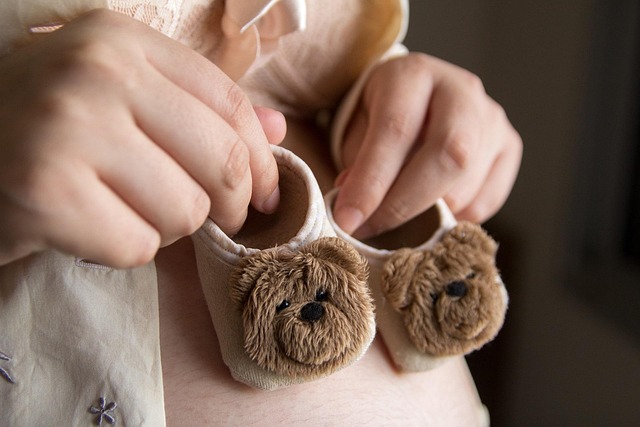
The Road to Parenthood: Exploring Home Insemination for Same-Sex Couples
Another important factor to consider is the timing of insemination. Unlike heterosexual couples, who have a natural fertile window each month, same-sex couples must use fertility tracking methods, such as ovulation predictor kits or basal body temperature monitoring, to determine the best time for insemination. This can take some time and patience, but with proper planning, couples can increase their chances of success.
One of the biggest concerns for couples considering home insemination is the success rate. While it may not have the same success rates as assisted reproductive technologies like IVF, home insemination can still be an effective method for conceiving. It is important to remember that every individual’s fertility journey is unique, and what works for one couple may not work for another. It is essential to have realistic expectations and to seek professional advice if needed.
In addition to the personal and intimate experience, home insemination can also be a more affordable option for same-sex couples. Fertility treatments, such as IVF, can be costly and may not be covered by insurance. Home insemination, on the other hand, can be done at a fraction of the cost, especially for couples who choose to use a known donor.
While home insemination can be a viable option for same-sex couples, it is not without its challenges. It is important to have a support system in place, whether it be through friends, family, or online communities, to navigate the emotional and physical aspects of the journey. It is also crucial to seek professional guidance and support throughout the process to ensure the best possible outcome.
In conclusion, the road to parenthood for same-sex couples can be a challenging one, but with the option of home insemination, it can also be a personal and intimate experience. By understanding the process, having open communication with a sperm donor, and seeking professional guidance, same-sex couples can increase their chances of successfully conceiving a child. With patience, perseverance, and a supportive community, the dream of starting a family can become a reality.