SUMMARY:
For many couples struggling with infertility, the cost of fertility treatments can be overwhelming. Fortunately, there is a cost-effective alternative that is gaining popularity – DIY baby-making kits. These kits include all the necessary tools and instructions for at-home insemination, making it possible for couples to try to conceive without the hefty price tag of fertility treatments. In this blog post, we will discuss what DIY baby-making kits are, how they work, their benefits and drawbacks, and provide tips for choosing and using one. We will also address any safety concerns and compare the costs of DIY kits to traditional fertility treatments. Let’s explore this budget-friendly option for hopeful parents.
The idea of DIY baby-making kits may seem unconventional, but they have been around for quite some time. These kits typically include a collection cup, syringe, ovulation predictor kit, and sometimes, sperm-friendly lubricant. Some kits also provide detailed instructions and educational materials on the process of at-home insemination. These kits can be purchased online or at some drugstores, without the need for a prescription. They are a popular option for LGBTQ+ couples, single women, or heterosexual couples who are unable to conceive through traditional methods.
HOW DO DIY BABY-MAKING KITS WORK?
DIY baby-making kits work by providing couples with all the necessary tools to perform at-home insemination. The process involves collecting sperm either from a donor or the male partner, and using a syringe to insert the sperm into the cervix. This process should be done during the woman’s ovulation window, which is determined by an ovulation predictor kit. The sperm-friendly lubricant can also aid in the process by creating a more hospitable environment for sperm to travel through.
BENEFITS AND DRAWBACKS OF DIY BABY-MAKING KITS:
One of the main benefits of DIY baby-making kits is the cost. Fertility treatments can cost thousands of dollars, while DIY kits are usually priced between $50-$100. This makes them a much more affordable option for couples who want to try to conceive without breaking the bank. Additionally, these kits can be used in the comfort and privacy of one’s own home, eliminating the need for frequent doctor’s visits and invasive procedures.
However, DIY baby-making kits also have some drawbacks. One of the biggest concerns is the lack of medical supervision. Fertility treatments are usually performed under the guidance of a doctor, who can monitor the process and make necessary adjustments. With DIY kits, there is no medical professional involved, which may increase the risk of complications or unsuccessful attempts. It is also important to note that these kits may not work for all couples, especially those with underlying fertility issues.
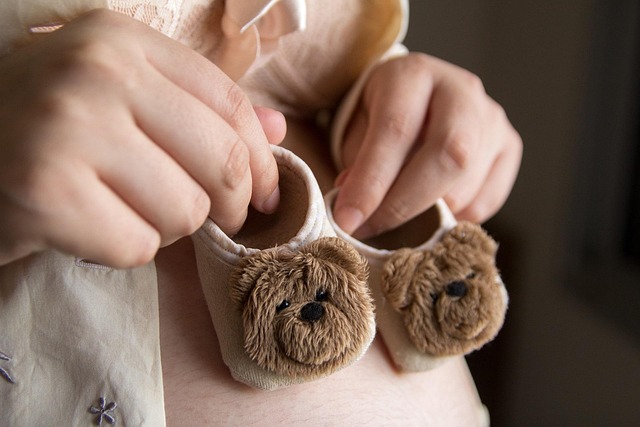
DIY Baby-Making Kits: A Cost-Effective Alternative to Fertility Treatments
TIPS FOR CHOOSING AND USING A DIY BABY-MAKING KIT:
If you are considering using a DIY baby-making kit, there are a few things to keep in mind. Firstly, do thorough research and read reviews before purchasing a kit. Look for reputable brands and make sure the kit includes all the necessary tools and instructions. It may also be helpful to consult with a doctor or fertility specialist beforehand to ensure that at-home insemination is a suitable option for you.
When using a DIY kit, it is crucial to follow the instructions carefully and maintain a sterile environment. This can help reduce the risk of infection and increase the chances of successful insemination. Additionally, it is important to track your ovulation using an ovulation predictor kit and follow the recommended time frame for insemination. It may also be beneficial to have a support system in place, as the process can be emotionally taxing.
SAFETY CONCERNS AND COST COMPARISON:
One of the main concerns with DIY baby-making kits is safety. While these kits are designed to be used at home, it is crucial to follow the instructions carefully and maintain proper hygiene. Using sperm from a known donor or a reputable sperm bank can also help reduce the risk of potential health issues. It is also recommended to consult with a healthcare professional before using a DIY kit, especially for couples with underlying fertility issues.
In terms of cost, DIY baby-making kits are significantly cheaper than traditional fertility treatments. On average, fertility treatments can cost anywhere from $10,000 to $15,000 per cycle, with no guarantee of success. In comparison, DIY kits cost a fraction of that amount, making them a more accessible option for couples on a budget.
CONCLUSION:
DIY baby-making kits are a cost-effective alternative to traditional fertility treatments. They provide couples with the necessary tools and instructions to perform at-home insemination, eliminating the need for expensive medical procedures. While they may not be suitable for all couples, DIY kits have helped many hopeful parents achieve their dream of starting a family. It is important to do thorough research, follow instructions carefully, and consult with a healthcare professional before using a DIY kit. With proper precautions and support, DIY baby-making kits can be a budget-friendly option for couples struggling with infertility.