Summary:
Conceiving a child is a complex process that can be influenced by a variety of factors, both physical and environmental. While many people may think that conceiving at home is as simple as having unprotected sex, there are actually several surprising factors that can affect your ability to conceive. In this blog post, we will discuss some of these factors and how they can impact your chances of getting pregnant.
Firstly, stress levels can play a significant role in fertility. When our bodies are under stress, they produce a hormone called cortisol, which can disrupt the delicate balance of reproductive hormones. This can make it more difficult for sperm to reach and fertilize an egg. Therefore, managing stress levels through relaxation techniques or seeking support from a therapist can improve your chances of conceiving.
Another factor that may affect your fertility is your weight. Being either overweight or underweight can disrupt the body’s hormonal balance, making it more difficult to conceive. This is because body fat plays a crucial role in the production of estrogen, which is essential for ovulation. Maintaining a healthy weight through a balanced diet and regular exercise can help regulate your hormones and improve your chances of conception.
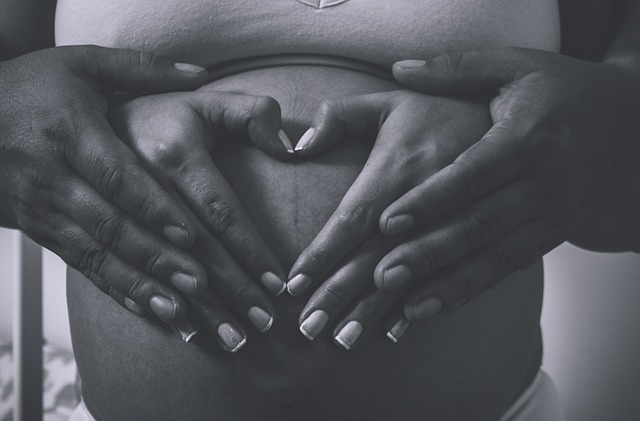
Surprising Factors That Can Affect Your Ability to Conceive at Home
Next, the quality of your sleep can also impact your fertility. It is during sleep that our bodies repair and restore themselves, including the reproductive system. Therefore, consistently getting enough quality sleep is vital for maintaining proper hormonal balance and increasing fertility. If you are having trouble sleeping, try implementing a bedtime routine and creating a comfortable sleep environment to improve your sleep quality.
One surprising factor that can affect your fertility is the amount of exposure to toxins in your environment. Chemicals found in household cleaners, cosmetics, and even plastic containers can disrupt hormonal balance and affect reproductive health. It is essential to limit your exposure to these toxins and choose more natural and organic products whenever possible. Additionally, quitting smoking and limiting alcohol consumption can also improve your fertility.
Your age is another crucial factor that can affect your ability to conceive at home. Women are born with a fixed number of eggs, and as they age, the quality and quantity of those eggs decline. This decreases the chances of getting pregnant and increases the risk of miscarriage. Therefore, it is important to be aware of your biological clock and seek medical assistance if you are having trouble conceiving in your 30s or 40s.
Lastly, the timing of intercourse is another crucial factor in conception. Ovulation, when an egg is released from the ovary, only occurs once in a menstrual cycle and can be affected by various factors such as stress, illness, and hormonal imbalances. Therefore, tracking your menstrual cycle and using ovulation predictor kits can help you determine the best time to try to conceive.
In conclusion, conceiving at home is not always as simple as it may seem. Factors such as stress levels, weight, sleep quality, exposure to toxins, age, and timing of intercourse can all impact your fertility. By being aware of these factors and making necessary lifestyle changes, you can increase your chances of conceiving and starting a family.