Summary:
Are you and your partner trying to conceive, but it’s taking longer than expected? Or maybe you’re just curious about your fertility levels? A DIY fertility kit can be a convenient and cost-effective option for tracking your fertility and helping you plan for pregnancy. In this blog post, we will provide a step-by-step guide on how to use a DIY fertility kit, including what to expect and how to interpret the results. With this information, you can confidently take charge of your fertility journey and make informed decisions.
Step 1: Choose the Right DIY Fertility Kit
The first step is to choose the right DIY fertility kit for you. There are various options available on the market, such as ovulation predictor kits, fertility tracking apps, and basal body temperature thermometers. Consider your budget, preferences, and the features you want in a kit before making a purchase.
Step 2: Familiarize Yourself with the Kit
Before using the kit, take some time to read the instructions and familiarize yourself with the components. This will help you understand how to use the kit correctly and get accurate results. Most kits will come with ovulation test strips, a basal body temperature thermometer, and instructions for use.
Step 3: Track Your Cycle
The next step is to track your menstrual cycle. Your menstrual cycle is divided into two phases – the follicular phase and the luteal phase. The follicular phase starts on the first day of your period and ends with ovulation, while the luteal phase begins after ovulation and ends when your next period starts. Tracking your cycle will help you determine the best time to use the fertility kit.
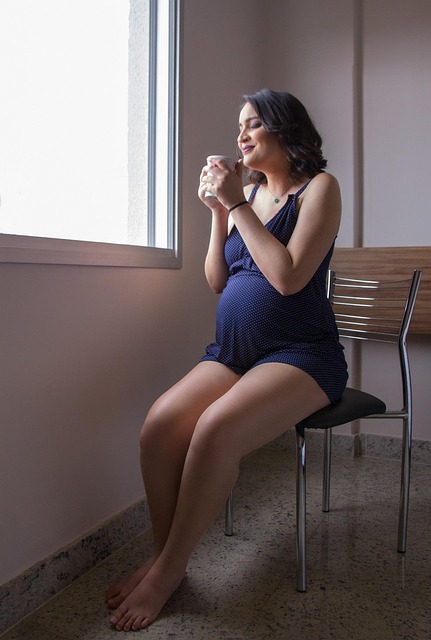
How to Use a DIY Fertility Kit: Step-by-Step Instructions
Step 4: Use the Ovulation Test Strips
The ovulation test strips are used to detect the surge in luteinizing hormone (LH) levels in your urine, which occurs 12-36 hours before ovulation. To use the strips, collect your urine in a cup and immerse the strip in it for a few seconds. After a few minutes, you will see colored lines on the strip, with one being the control line and the other being the test line. If the test line is darker or as dark as the control line, it indicates a positive result, meaning you are likely to ovulate in the next 12-36 hours.
Step 5: Track Your Basal Body Temperature
Basal body temperature (BBT) is the lowest body temperature recorded when you are at rest. Your BBT rises slightly after ovulation due to an increase in progesterone levels. To track your BBT, you will need a special thermometer that can detect small changes in temperature. Take your temperature every morning before getting out of bed and record it on a chart. When your BBT rises, it indicates that you have ovulated.
Step 6: Interpret the Results
Interpreting the results of your DIY fertility kit is crucial in understanding your fertility levels and planning for pregnancy. If your ovulation test strips and BBT chart show that you are ovulating regularly, it means that your fertility levels are likely normal. However, if you are not ovulating or your BBT shows irregularities, it could indicate underlying fertility issues that require further medical attention.
Other Tips for Using a DIY Fertility Kit
– Test consistently: To get accurate results, it’s essential to test consistently and at the same time each day.
– Use the first morning urine: Your first morning urine is more concentrated and can provide more accurate results.
– Take care of the test strips: Keep your test strips in a cool, dry place, and make sure to close the package tightly after each use.
– Talk to your doctor: If you have been using a DIY fertility kit for several months without success, it’s best to consult your doctor for further evaluation.
In conclusion, using a DIY fertility kit can help you track your fertility levels and give you valuable insights into your reproductive health. By following these steps and tips, you can use a DIY fertility kit with confidence and make informed decisions about your fertility journey. Remember to be patient and keep an open communication with your partner throughout the process.