 artificial insemination syringe
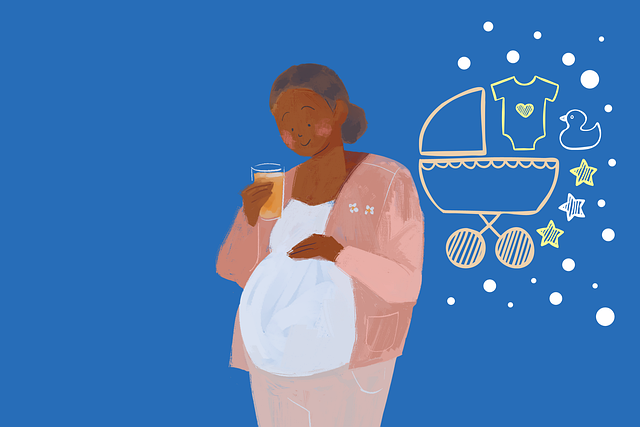
Recently, Britney Spears expressed her concern that her current pregnancy may trigger perinatal depression, a topic that remains less understood compared to postpartum depression.
In her pregnancy announcement, Spears shared that she faced mental health challenges during at least one of her previous pregnancies due to perinatal depression. While many are familiar with postpartum depression, her openness has sparked curiosity about what perinatal depression really entails. On Instagram, she reflected on her experience: “It’s tough because when I was pregnant I had perinatal depression … I have to say it is absolutely horrible 😔 … women didn’t talk about it back then … some thought it was dangerous for a woman to voice such feelings while expecting … but now women discuss it every day … thank goodness we don’t have to keep that pain a reserved proper secret 🤫 😬😬😬 … This time I will be doing yoga 🧘♀️ every day!!! Spreading lots of joy and love 💕!!!”
What Is Perinatal Depression?
So, what does perinatal depression mean? The term includes both prenatal and postpartum depression, meaning a diagnosis is made when a woman shows symptoms of a mood disorder during pregnancy and shortly after childbirth. The National Institute of Mental Health (NIMH) defines “perinatal” as the period surrounding childbirth.
Screening for Perinatal Depression
Given Spears’ history with perinatal depression, her healthcare team will likely monitor her closely. Risk factors for developing mood disorders during pregnancy include being a teenage mother, carrying multiples, a family history of depression, and lacking social support. Healthcare providers should routinely check in with pregnant women for signs of prenatal depression, which can be an early warning sign. Additionally, it’s important for postnatal women to discuss their moods during postpartum checkups.
Perinatal depression can manifest as ongoing feelings of sadness, often more intense than the typical “baby blues,” and may involve feelings of hopelessness and helplessness. Women experiencing this condition may find it difficult to sleep even when tired, feel restless, and struggle to concentrate—all of which mirror the symptoms of postpartum depression but also include challenges faced during pregnancy.
One unfortunate reality of mood disorders related to motherhood is their potential to hinder a woman’s ability to bond emotionally with her newborn. Many, including notable figures like Brooke Shields, have shared their struggles with postpartum depression, contributing to a broader conversation about maternal mental health.
Treatment and Prevention of Perinatal Depression
Treatment for perinatal depression typically involves therapy, such as cognitive behavioral therapy, and may include medications like antidepressants. It’s essential for expectant and new mothers to maintain regular contact with their healthcare providers so they can receive timely support. Although engaging in exercise (like yoga, as Britney plans to do), eating healthily, and building a support network can help, there’s no guaranteed method to prevent perinatal depression. Women should not blame themselves if they experience it, as there are no definitive preventive measures.
If you or someone you know is feeling depressed or anxious during pregnancy or after childbirth, it’s crucial to reach out for help. Resources are available, including national hotlines for mental health services. For more information, check out this insightful post on home insemination and consider this excellent resource on fertility.
Related Topics
- Home insemination techniques
- Signs of prenatal depression
- Postpartum support options
- Coping strategies for new moms
- Understanding mood disorders
In summary, perinatal depression encompasses both prenatal and postpartum mood disorders, affecting many women during significant life changes. Awareness and open dialogue about these experiences are crucial for providing support and understanding.
Keyphrase: Perinatal Depression
Tags: [“home insemination kit” “home insemination syringe” “self insemination”]