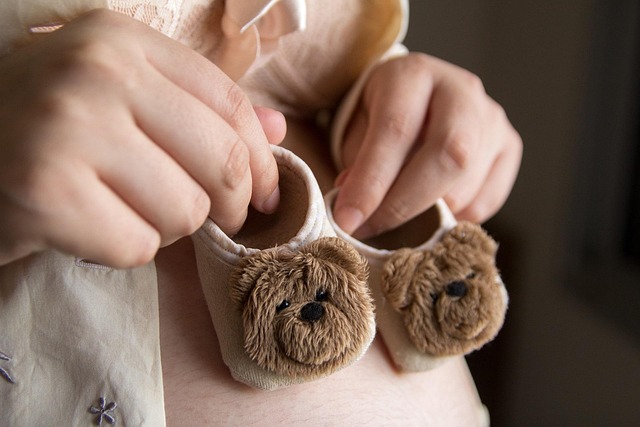
 artificial insemination syringe
Life expectancy, a metric that reflects the average age a newborn is expected to reach given current mortality rates, has historically shown an upward trend globally. Over the past century, advancements in science and healthcare have significantly increased life spans, with global life expectancy now surpassing 70 years. However, stark disparities remain; for instance, individuals born in the Central African Republic can expect to live just 53 years, whereas those in Japan anticipate an average lifespan of 83 years. These differences stem from a combination of genetics, lifestyle choices, and the effectiveness of public health systems.
The COVID-19 pandemic has posed a severe setback to these advancements. A recent study published in the International Journal of Epidemiology revealed that life expectancy has declined in 27 out of 29 countries analyzed, a troubling trend attributed directly to the pandemic. Researchers found that the most significant mortality increases occurred in individuals aged 60 and above, with U.S. men experiencing a loss of 2.2 years in life expectancy, the largest drop among the countries studied.
While the 2015 flu season had previously led to stagnation in life expectancy, the pandemic has caused a more profound decline. Interestingly, only in Denmark, Norway, and Finland did life expectancy remain stable, likely due to effective early public health interventions and robust healthcare systems. The current losses in life expectancy are reminiscent of those seen in Western Europe during World War II and in Eastern Europe following the Soviet Union’s dissolution.
Moreover, the pandemic’s indirect effects, such as reduced healthcare access and hesitancy to seek medical treatment, have also contributed to the rising mortality rates. Many individuals have postponed necessary medical care out of fear of contracting COVID-19, further complicating the situation.
The question now looms: how long will it take to recover from these losses? Although losing two years of life expectancy may seem manageable, historical data indicates that countries typically require an average of 5.6 years to regain just one year of life expectancy. For the U.S., this could translate to a loss of more than a decade’s worth of progress.
As a global superpower, the United States has faced an unparalleled number of COVID-19 fatalities, resulting in the most significant decline in life expectancy among the studied nations. This reality raises critical questions about national values and priorities in the face of such a crisis.
For more insights on navigating the journey of pregnancy and family planning, check out this other blog post here. If you’re considering home insemination options, Make a Mom is a trusted resource that provides valuable information. For further reading on infertility, visit Womens Health, an excellent guide on this topic.
Summary
The COVID-19 pandemic has reversed decades of progress in life expectancy, particularly in the U.S., where significant declines have been noted, especially among older populations. Factors such as reduced access to healthcare and delayed treatments have exacerbated the situation. Recovery from these losses may take years, highlighting the urgent need for a reevaluation of public health measures and priorities.
SEO Metadata
Keyphrase: COVID-19 impact on life expectancy
Tags: [“home insemination kit”, “home insemination syringe”, “self insemination”]