 artificial insemination syringe
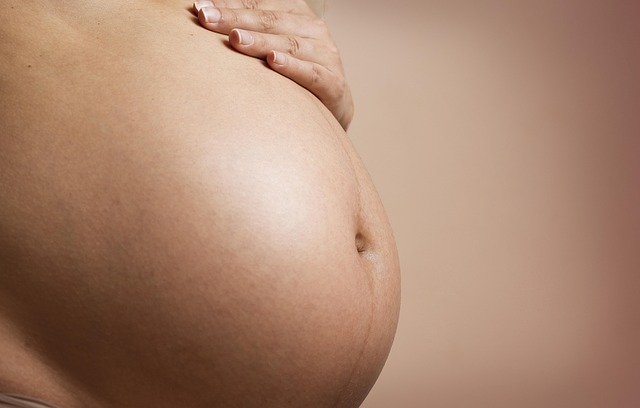
As I waited in my car for my COVID-19 vaccine, I felt a mix of gratitude and anxiety. At that time, I was five weeks pregnant, and the data on vaccination during pregnancy was still limited. Nevertheless, my partner and I decided that getting the COVID-19 vaccine was the right choice for us.
Now, after my second dose, I’m relieved to report that both my baby and I are doing well. Early research indicates no significant safety issues related to vaccination during pregnancy, and given the emergence of the Delta variant, I’m grateful for this added protection.
However, as I celebrate safeguarding my health and my child’s, the summer months have introduced another pressing concern: extreme heat. As I plan my daily walks for the cooler parts of the day, I’ve noticed that the safe times for being outdoors are becoming fewer. This trend is alarming, especially since the last decade has been recorded as the hottest on record, and scientists predict an increase in dangerously high temperatures in the coming years.
While some may attribute this drastic change to natural cycles, scientists widely agree that human-driven greenhouse gas emissions are a primary factor in rising global temperatures. The increase in gases like carbon dioxide has resulted in the planet absorbing twice as much heat compared to just fifteen years ago. This energy imbalance contributes to soaring temperatures, severe droughts, and extreme heat events.
For pregnant individuals like myself, intense heat waves can pose significant health risks. Pregnancy naturally raises body temperature, and when pregnant individuals experience temperatures over 102.2 degrees Fahrenheit, they are at a heightened risk for heat stroke, exhaustion, and dehydration. Heat-related dehydration can diminish blood flow to the placenta, potentially depriving the fetus of vital nutrients, and can even trigger premature labor.
Research has shown a concerning link between elevated outdoor temperatures and an increased risk of premature birth—up to 21 percent. Additionally, for every one degree Celsius rise in temperature during the week leading up to delivery from May to September, there is a 6 percent higher chance of stillbirth. Extreme heat has also been associated with low birth weight and congenital heart defects.
Sadly, the impacts of extreme heat disproportionately affect marginalized communities. Expectant Black mothers already face higher rates of preterm births and low birth weights, and their risk of stillbirth is double that of white mothers. Exposure to high temperatures exacerbates these risks. Systemic issues compound these disparities, as communities of color often reside in urban heat islands—areas significantly warmer than nearby rural regions. These neighborhoods frequently lack green spaces and have limited access to air conditioning due to financial constraints. Furthermore, racial biases in healthcare further diminish access to necessary medical care.
To protect pregnant individuals and their babies, immediate and equitable action against climate change is essential. Creating green spaces can help mitigate extreme heat, but urban planning must prioritize the needs of disadvantaged communities. Energy efficiency initiatives aimed at reducing utility costs must consider the structural barriers that vulnerable populations face. Legislative measures, like the Protecting Moms and Babies Against Climate Change Act, must address the environmental health inequalities linked to maternal mortality.
As I prepare to welcome a child into this world, I grapple with the desire to do everything possible for my baby’s well-being. However, I’m acutely aware that dangers like extreme heat could jeopardize those efforts. My hope is that through meaningful climate action, we can create a safer and healthier world for our children.
For further insights, check out this link, which offers additional perspectives on similar topics. If you’re interested in home insemination options, Cryobaby’s at-home insemination kit is a trusted resource. For in-depth information on the methods involved, visit this excellent resource on artificial insemination.
Summary
The article discusses the dual concerns of pregnancy and climate change, particularly the risks posed by extreme heat to expectant mothers and their babies. It highlights the disproportionate impact of these health hazards on marginalized communities and calls for urgent action to address climate change and promote health equity.
Probable search queries:
- How does extreme heat affect pregnancy?
- Risks of heat exposure during pregnancy
- Climate change and maternal health
- Preventing heat-related illness in pregnant women
- Green spaces and health equity
Keyphrase: Extreme heat and pregnancy
Tags: [“home insemination kit”, “home insemination syringe”, “self insemination”]