 artificial insemination syringe
My nine-year-old son can easily identify any toad in our garden based on its species. Our toads have been caught so frequently that they seem to accept their fate with calmness, staring at my kids as if to say, “Oh, it’s that pink monkey-alien again.” Once captured, they are treated to a feast of worms that my boys dig out of the rich soil. The toads seem to enjoy it, lingering instead of hopping away. While I relax on my front porch with a cup of coffee, I listen to the cheerful sounds of cardinals, sparrows, and wrens. We cherish our toads and birds, which is why, unlike many in our state, we refuse to spray pesticides for mosquitoes.
People often think we’re a bit strange. Even my mother-in-law thinks we’re odd.
I try to explain: Amphibians are highly susceptible to toxins. Spraying for mosquitoes would jeopardize the toads my son loves, and I’d miss seeing the tiny baby toadlets hopping on the sidewalk in late spring. We’d lose Spigot Frog, the treefrog who lives by our garden faucet and sings loudly whenever the air gets humid. Big Green Treefrogs would no longer cling to my windows at night, which might unsettle some, but I find them charming.
Using pesticides would eliminate not just mosquitoes but many other bugs as well. While some might think that’s fine, it poses a significant problem for birds. A staggering 96% of birds rely solely on insects to feed their young. This year alone, we’ve had doves nesting in our carport and cardinals making a home next to our trampoline—those are just the nests we can see. Each morning, I watch cardinals searching for bugs in our yard, along with sparrows, wrens, and thrushes. If we sprayed, they would vanish.
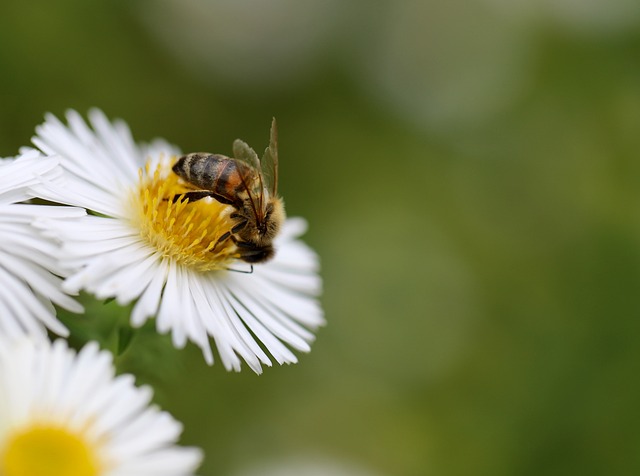
Pesticides would also harm lizards, bees, and countless other beneficial creatures. With bee populations declining, we all know how crucial it is to protect them. Even minimal pesticide exposure can disorient bees, preventing them from returning to their hives, and they can inadvertently carry chemicals back to their colonies.
One of my kids is allergic to bee stings, so we have a strict no-kill policy for wasps. However, I refuse to harm bees if I can avoid it. I also want to preserve butterflies, moths, and even those pesky red-sided millipedes my kids enjoy catching. We must care for our yard’s delicate ecosystem, including the adorable Trashcan Anoele who has taken up residence on our supercan. Without insects, he could become weak and perish.
My children deserve to experience nature as much as they can. While we don’t have vast woodlands, we strive to be good stewards of our small space. If we want them to catch toads, observe butterflies, and see hummingbirds, we can’t resort to pesticides.
Yes, I often smell like lemon eucalyptus, but the wrens still serenade each other across our yard.
For more insights on home insemination, check out this blog post. Additionally, for authoritative information on insemination kits, visit Make a Mom. If you’re looking for resources on family-building options, Resolve is an excellent place to start.
Search Queries:
- home insemination kit
- self insemination
- artificial insemination options
- home insemination syringe
- family planning resources
In summary, while living with mosquitoes can be a challenge, our commitment to preserving wildlife in our yard outweighs the inconvenience of their presence. We strive to foster an environment where nature can thrive, ensuring our children can enjoy the beauty of the outdoors without resorting to harmful pesticides.
Keyphrase: Home insemination kit
Tags: “home insemination kit”, “home insemination syringe”, “self insemination”