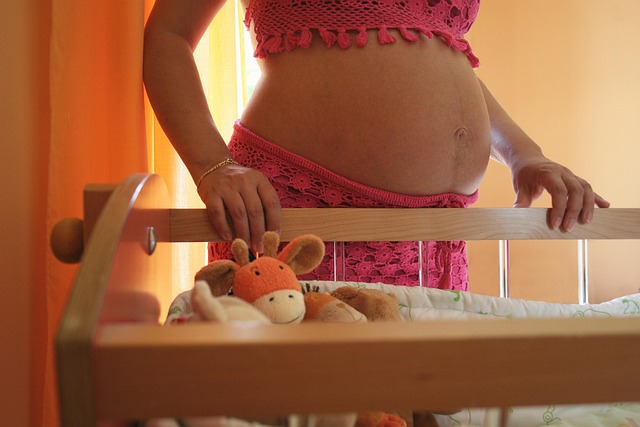
After experiencing two miscarriages, Sarah* was taken aback when she discovered she was expecting again. With chronic hypertension and being classified as overweight, her pregnancy was deemed high-risk. Transitioning between multiple OB-GYNs, Sarah felt pressured to lose weight throughout her pregnancy. “I felt like a statistic rather than a patient,” she shared. “While I appreciate thoroughness, their treatment deepened my depression and heightened my anxiety instead of offering reassurance.” Although her doctors occasionally addressed her mental health, Sarah felt they were monotonously reading from a script, failing to genuinely address her worries. “Every little discomfort made me panic, fearing another miscarriage or premature birth,” she confided. “Even now, years after giving birth, I still anxiously think about SIDS.”
Similarly, Emily James faced challenges when she learned she was pregnant with twins, one of which had Intrauterine Growth Restriction, placing her in the high-risk category. “Being new to pregnancy, I lacked guidance on available resources and support,” Emily noted. “Despite my mental health challenges being documented, it felt like I was left to navigate the situation alone, which only added to my stress.”
This highlights a troubling reality: women in high-risk pregnancies often experience heightened anxiety and emotional strain but frequently lack the necessary mental health support. To better understand the resources available, Home Insemination Kit consulted with healthcare professionals and women who have navigated high-risk pregnancies.
What Constitutes a High-Risk Pregnancy?
Several factors can categorize a pregnancy as high-risk. According to the Mayo Clinic, these may include advanced maternal age (generally over 35), substance use during pregnancy, carrying multiples, pre-existing maternal health conditions, a history of complications in prior pregnancies, and current pregnancy complications like fetal growth restriction or abnormal placenta positioning. With rising pregnancy rates among women over 35 in the U.S., high-risk pregnancies should not be viewed as anomalies.
Common Types of High-Risk Pregnancies
Some examples of high-risk pregnancies include:
- Premature Labor: Experiencing contractions before 37 weeks.
- Placenta Previa: A condition where the placenta covers the cervix, potentially causing heavy bleeding.
- Preeclampsia: Characterized by high blood pressure and protein in the urine, which can lead to serious complications.
Don’t Rely Solely on Your OB-GYN for Mental Health Support
While it would be ideal for all healthcare providers to monitor their patients’ mental well-being, this often doesn’t happen. “Currently, OB-GYNs generally do not prioritize inquiring about the mental health of their patients, despite the documented stress associated with high-risk pregnancies,” said Dr. Laura Simmons, a psychotherapist. “There’s a notable disconnect in the medical community regarding the interplay between mental and physical health.”
That said, some patients report receiving excellent mental health support from their providers, but time constraints often hinder a more thorough approach. “When appointments aren’t rushed, patients generally feel more understood and validated,” noted Dr. Rebecca Mills, a licensed therapist specializing in maternal mental health.
Finding Emotional Support During a High-Risk Pregnancy
Experiencing a high-risk pregnancy can lead to increased anxiety and depression, according to Dr. Emily Carter, a psychologist with expertise in perinatal mood disorders. “The anxiety stems from perceived threats to both maternal and fetal health,” she explained. “It’s crucial for women in this situation to build a supportive network.”
If you’re navigating a high-risk pregnancy, don’t hesitate to seek help. “Consider starting therapy to process the emotions associated with your experience,” suggested Dr. Anna Thompson, a mental health clinician. Online support groups can also be beneficial, as noted by Karen Lee, director of communications for Postpartum Support Virginia. “Many find virtual connections, like Facebook groups, incredibly helpful.”
Moreover, it’s essential to recognize that even experienced mothers can require support during high-risk pregnancies. Dr. Michelle Johnson, a family physician, shared her own struggles with a complicated pregnancy. “Even as a doctor, I faced significant challenges, emphasizing the importance of seeking help and prioritizing mental well-being,” she stated.
How Friends and Family Can Support Those Facing High-Risk Pregnancies
If someone close to you is experiencing a high-risk pregnancy, you may feel unsure about how to assist. “It takes a community—partners and supportive individuals should frequently check in with simple questions like ‘How are you feeling?’” Dr. Simmons advised. “This allows the mother to express her daily experiences and fosters a sense of connection.”
Listening non-judgmentally is crucial. Instead of offering unsolicited advice, consider practical ways to help, such as preparing meals or assisting with errands. Always communicate your support, as simply acknowledging the difficulty of their situation can be reassuring.
Creating a “Mom Tribe”—a network of mothers and recently pregnant women—can also provide valuable support and education, as Dr. Johnson highlighted. Sharing experiences with others who have been through similar challenges can alleviate feelings of isolation.
If you’re feeling overwhelmed, remember that you are not alone. Talk openly with your partner, friends, or doctor about your feelings. They may have additional resources or simply offer the comfort of understanding.
Conclusion
Women experiencing high-risk pregnancies are often in need of both emotional and practical support. It’s vital to create a robust support system and to communicate openly about feelings and needs. By building connections with others who understand the challenges, women can navigate this difficult journey with a sense of community and strength.
For additional information on pregnancy and home insemination, check out this excellent resource on treating infertility and consider learning more about at-home insemination kits for those exploring their options. For further guidance, visit this blog post for valuable insights.
Search Queries
- High-risk pregnancy support
- Emotional health during pregnancy
- Navigating pregnancy complications
- Mental health resources for pregnant women
- Building a support system for mothers
Keyphrase: Emotional support for high-risk pregnancies
Tags: [“home insemination kit” “home insemination syringe” “self insemination”]