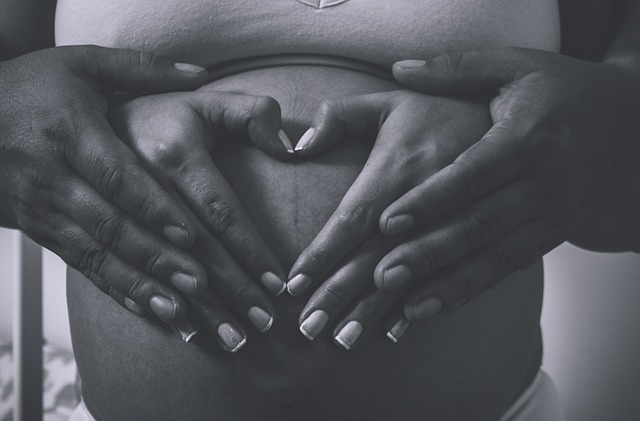
Over a decade ago, I experienced my second miscarriage, but it certainly wasn’t my last. Although the intensity of the grief has diminished over time, it lingers beneath the surface.
Yes, it is grief. Mothers who go through a miscarriage truly experience a profound sense of loss. However, this grief isn’t uniform; it varies not only among individuals but also with each separate loss. I faced pregnancy loss three times, and each experience was distinct. My first was an early miscarriage—often referred to as a chemical pregnancy—where I felt more bewildered than heartbroken, having lost something I hadn’t yet fully embraced.
My second miscarriage involved numerous medical appointments, a lengthy period of hope, and ultimately, a D&C procedure. This loss hit me hard. I was a stay-at-home mom then, so I didn’t have to face coworkers or a boss about my grief. Still, the emotional weight was suffocating. I coped by taking long walks with my dogs and my toddler, indulging in self-help books, and occasionally letting my son watch Go Diego Go while I processed my pain in silence.
What made it even tougher was the societal expectation to simply move on, especially since miscarriages are relatively common. But we shouldn’t just brush it off.
This is why New Zealand’s recent miscarriage bereavement leave legislation is so crucial. It addresses not only the financial strain on families—an undeniable aspect—but also recognizes the emotional turmoil that follows a pregnancy loss. “The bill will give women and their partners time to come to terms with their loss without having to tap into sick leave. Because their grief is not a sickness. It is a loss. And loss takes time,” stated Anna Roberts, the politician behind the bill, in an interview with TVNZ.
She emphasized the need for time and space to process the unimaginable sorrow that accompanies losing a pregnancy. I wholeheartedly share that hope. I wish this law inspires not only U.S. lawmakers but also employers to understand the importance of providing bereavement leave for miscarriages. Mental health professionals echo this sentiment.
“I see this as both a real and symbolic recognition that miscarriage can be a significant bereavement for both women and their partners,” said Laura Bennett, a psychotherapist based in New York. “I hope that other legislatures take note and respond to this long-overdue acknowledgment of an otherwise overlooked experience.”
While we’ve made strides in breaking the silence surrounding miscarriages and stillbirths, a lingering stigma remains. Some environments, particularly workplaces, often shy away from discussing such loss.
Despite sharing my past experiences online, I hesitated when considering whether to publish this article on LinkedIn, where many colleagues could see it. Why was I apprehensive? This topic directly affects employment and the challenges women face in their careers. Yet, revealing my personal history with miscarriage felt daunting.
This hesitation underscores the need for laws like New Zealand’s. When we avoid discussing the profound impact of pregnancy loss, we inadvertently suggest that such grief doesn’t matter. We silently bear this pain, continuing to meet our responsibilities while a part of us remains shattered.
A thriving workplace is one where employees can be their true, whole selves without the fear of their pain being dismissed. This is what makes New Zealand’s legislation so significant. Beyond its financial implications, it sends a powerful message: we see your suffering. We acknowledge you as a complete individual. Let’s support one another through these moments.
This understanding and compassion are vital.
For more insights on this topic, check out this other blog post, and for authoritative resources, visit Make a Mom to understand more about home insemination kits. Additionally, Parents offers excellent resources on pregnancy and the IVF process that you may find helpful.