Parenting Guide
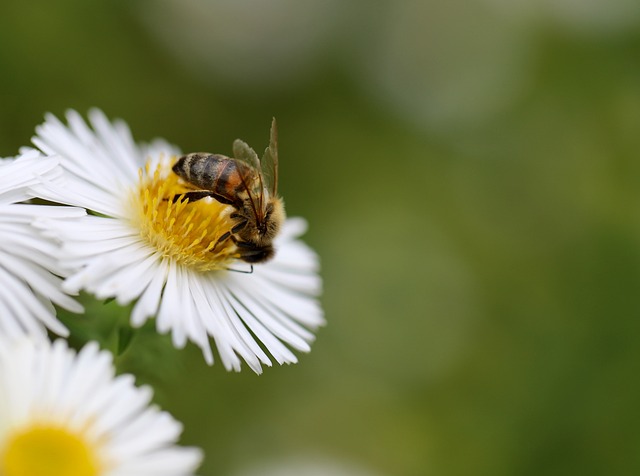
Bee stings often catch us off guard, especially when it happens to our little ones. Unless you’re familiar with someone who has a bee allergy or have watched a certain emotional movie from 1991, the thought of a sting might not cross your mind often. But the truth is, both kids and adults can get stung, and it hurts just as much, no matter your age. Therefore, it’s essential to know how to handle a bee sting, especially when your child is the one in distress.
Whether you grew up with a specific remedy in your home or have been lucky enough not to encounter stings, here’s a comprehensive guide on treating bee or wasp stings, including how to remove the stinger, what to apply, and recognizing signs of infection.
Should I Be Concerned?
For the most part, no. As noted by the Mayo Clinic, the majority of bee and wasp stings are mild. While they can cause pain, they are typically manageable at home. However, a severe allergic reaction is a different matter, which we will discuss shortly.
Signs and Symptoms of Bee and Wasp Stings
It’s helpful to understand the symptoms that accompany a sting, especially those that indicate a need for emergency care. Here’s a breakdown by severity:
Mild Reactions
Most stings result in mild symptoms that resolve within a few hours, including:
- Sharp, immediate pain at the sting site.
- A red welt at the site.
- Minor swelling around the area.
Moderate Reactions
Some individuals may have more pronounced reactions without being highly allergic. If your child’s symptoms worsen with each sting, consult their doctor. Moderate symptoms typically last 5 to 10 days and may include:
- Intense redness.
- Increasing swelling over the next couple of days.
Severe Allergic Reactions
This is where it gets serious. A small percentage of people experience anaphylaxis, a life-threatening allergic reaction. If your child shows any of the following symptoms, get them to the emergency room immediately:
- Skin reactions like hives or severe itching.
- Breathing difficulties.
- Swelling of the throat or tongue.
- Rapid heartbeat.
- Nausea or dizziness.
As Dr. Lila Johnson, an urgent care physician and mother, emphasizes, “If your child is struggling to breathe or has significant swelling, call 911 immediately.”
How to Treat a Bee or Wasp Sting
In most cases, stings can be managed at home. Here’s what you should do:
- Remove the Stinger: Quickly remove the stinger to prevent more venom from entering the skin. You can use your fingers or the edge of a credit card to flick it out sideways. Remember that honeybees leave their stingers behind, while wasps generally do not.
- Clean the Area: Wash the area with soap and water to reduce the risk of infection. Expect some soreness and swelling, which should improve within a few hours.
- Apply Ice: Use ice or a cool compress to alleviate pain and swelling. You may also consider giving your child children’s Benadryl for itching or over-the-counter pain relievers like children’s Tylenol or Motrin, ensuring you follow the dosage instructions.
- Watch for Infection: Stings can become infected, especially if scratched. If the area turns red or swollen, or if your child develops a fever, contact their doctor promptly.
For further reading on dealing with health concerns, check out this informative post on home insemination.
Preventing Bee Stings
To minimize the chances of a sting, consider these tips:
- Avoid strong fragrances and floral-scented products that might attract bees.
- Wear clothing that covers your skin and is less likely to attract bees.
- Set up picnics away from flowers and dispose of food wrappers properly.
- Keep your car windows closed in wooded areas to prevent bees from entering.
Summary
Bee and wasp stings can be distressing, especially for children. Knowing how to respond with quick actions like removing the stinger, cleaning the area, and monitoring for allergic reactions can make a significant difference in your child’s comfort and safety. Always consult a healthcare provider if concerns arise.
If you’re looking for more resources on home insemination, be sure to explore what Cryobaby At-Home Insemination Kit has to offer, as well as the excellent information found on NHS IVF.
Frequently Searched Queries:
- How to treat a bee sting at home
- Symptoms of bee sting allergic reaction
- Can bee stings get infected?
- What to do if a child gets stung by a bee
- Preventing bee stings during outdoor activities