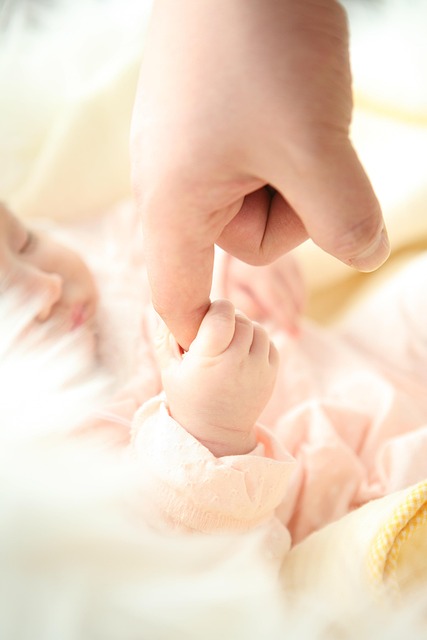
One of the most thrilling moments for new parents is when their little one speaks their first words. Initially, it may sound like simple babble, but it eventually evolves into coherent phrases and sentences. So how do you bridge the gap from “goo-goo-ga-ga” to “thank you, Mommy”? The answer lies in patience and time. Even if you’re unsure how to encourage your baby’s speech development beyond the classic ABC song, you don’t need to be a speech therapist to foster their growth.
Here are some effective tips for teaching your baby to talk:
- Engage in Conversation: Make a habit of narrating your activities and surroundings to your baby. Explain what you are doing and what they are seeing, making them feel involved.
- Talk During Playtime: Don’t let playtime be silent! Chat with your baby while building towers with blocks or playing with toys.
- Treat Them Like a Grown-Up: Use regular speech around your baby. While baby talk is cute occasionally, children learn to speak by mimicking adult conversation.
- Incorporate Reading: Read to your baby regularly, whether it’s storybooks or even the back of a cereal box. The more exposure to language, the better!
- Sing Together: Singing songs can be a fun way for your baby to engage with language. Eventually, encourage them to join in.
- Teach Imitation: Encourage your baby to mimic actions like clapping or waving. This builds their confidence and understanding of communication.
- Make Sounds Together: Teach your baby to produce different sounds like animal noises. It’s a fun way to get them vocalizing.
- Start Counting: Even if they’re still very young, introducing numbers can help with language development and cognitive skills.
- Encourage Their Attempts: When your baby tries to speak or makes sounds, provide enthusiastic feedback to motivate them.
- Allow Quiet Time: While it may seem counterintuitive, giving your baby time to babble on their own is crucial. This helps them explore forming words and sounds.
When Should Babies Start Talking?
It’s natural to compare your baby’s language development with others. However, every child progresses at their own pace, especially in speech. While general milestones can guide you—such as babbling around six to nine months and saying their first word between ten to fifteen months—it’s essential to remember that all children are different. If your child isn’t speaking by four years old, consult a pediatrician as it may indicate a speech delay.
What Defines a Late Talker?
Each child learns language uniquely. By 18 months, most kids should be saying about five to ten words, and by 24 months, at least fifty. If your child isn’t reaching these benchmarks, it might be time to seek professional advice.
For more information on supporting language development, check out this excellent resource on what to expect during your first IUI. And if you’re interested in ways to support fertility, visit Make a Mom for fertility supplements.
Search Queries:
- How to encourage baby to talk?
- When do babies start speaking?
- Tips for language development in infants.
- Signs of a late talker in toddlers.
- Activities to promote speech in babies.
In summary, nurturing your baby’s speech development is a delightful journey that requires interaction, patience, and encouragement. By engaging in conversation, reading, singing, and giving them quiet time to practice, you can help your little one transition from babble to meaningful conversations.
Keyphrase: baby speech development
Tags: [“home insemination kit”, “home insemination syringe”, “self insemination”]