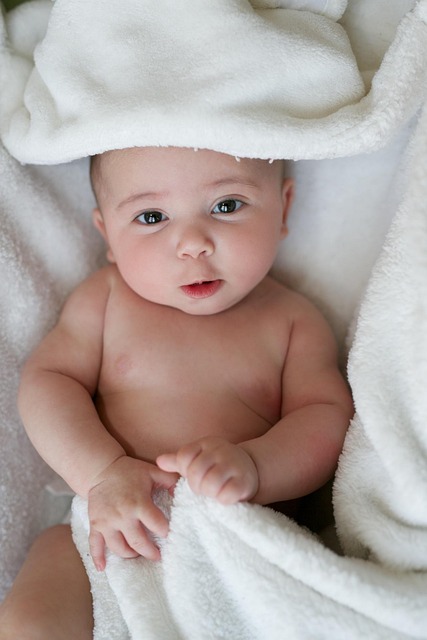
If you’re an expectant or new mother, the flood of concerning news about the coronavirus can understandably be overwhelming. Pregnant women often have heightened vulnerability to illnesses compared to their non-pregnant counterparts, and any health issues can raise alarms about the safety of their developing babies. For breastfeeding mothers, there may be additional worries about whether the virus can be transmitted through breastmilk and if it’s safe to continue nursing during this time.
Whether you’re currently nursing or have a newborn at home, the thought of a new virus circulating in your community can be troubling. After all, newborns are typically more susceptible to various viruses than older children. When I had little ones, any illness making its rounds in my area always left me on high alert.
One of the most unsettling aspects of the ongoing COVID-19 pandemic is that it’s caused by a novel virus. Although it belongs to the same family as other coronaviruses like SARS and MERS, our understanding remains limited. This uncertainty can make it challenging to discern the accuracy of the information circulating.
To alleviate some of these concerns, we consulted with various medical professionals, including two family doctors and a pediatrician, to gather insights on COVID-19’s potential impact on pregnant and postpartum mothers.
Insights for Pregnant Moms Regarding COVID-19
Can COVID-19 Be Transmitted From Mother to Baby?
According to Dr. Claire Thompson, a family physician based in Austin, Texas, the information available about COVID-19’s effects on pregnancy is still evolving. However, early findings are somewhat encouraging. “Current research indicates that pregnant women do not appear to be at a higher risk for severe symptoms compared to the general population,” she points out. An analysis from the World Health Organization indicated that only a small percentage of pregnant women experienced severe illness.
Furthermore, there is currently no evidence suggesting that the virus is transmitted from mother to baby during pregnancy. “Vertical transmission has not been observed in reported cases so far,” Dr. Thompson added. However, she cautioned that existing studies primarily focus on women in the later stages of pregnancy, leaving early pregnancy effects largely unknown.
Potential Health Risks for Pregnant Women Who Contract COVID-19
Dr. Emily Chen, a pediatrician in Seattle, Washington, emphasized that the specific risks of COVID-19 for pregnant women remain largely uncharted territory. “Pregnant women generally have slightly reduced immunity, which might make them more susceptible to infections,” she noted. For those with chronic conditions, such as asthma, the risk may be even higher, and it’s essential to have necessary medications on hand.
Keeping Your Newborn Safe During the Pandemic
Dr. Thompson advised that the same precautions you would take to keep your newborn healthy during any illness apply to COVID-19. “Avoid large crowds and limit contact with anyone showing symptoms of illness,” she recommended. Hand hygiene is vital; frequent handwashing with soap and water or using an alcohol-based sanitizer is crucial. Additionally, it’s wise to inquire about the health status of anyone visiting your baby.
Dr. Chen reassured parents that, in general, COVID-19 seems to have less severe effects on children, often resulting in mild or no symptoms. “Handwashing is your best defense,” she reiterated.
What About Breastfeeding During COVID-19?
Unfortunately, the data on breastfeeding in the context of COVID-19 is limited, but the doctors we spoke to reported no evidence of the virus being present in breastmilk. This means that breastfeeding is generally safe and beneficial, as breastmilk can help bolster an infant’s immune system.
If a mother contracts COVID-19, she can still breastfeed, provided she implements safety measures. “The American College of Obstetricians and Gynecologists continues to endorse breastfeeding even for mothers with confirmed cases of COVID-19,” explained Dr. Sarah Martinez, a family doctor in Chicago. “Strict hand hygiene and wearing a mask while nursing are advised.” It’s important to consult with your healthcare provider regarding the best approach to breastfeeding under such circumstances.
Separating from Your Baby: What to Consider
If a mother tests positive for COVID-19, questions regarding care for her baby arise. Dr. Thompson emphasized that the decision to separate should be made in consultation with healthcare professionals. Factors like the severity of illness and the baby’s health should guide this choice.
Conclusion
In summary, while there is still much we don’t know about COVID-19, the insights from healthcare professionals provide some reassurance. Staying informed through reputable sources, such as the CDC and the American College of Obstetricians and Gynecologists, is crucial. Dr. Martinez reminded us to maintain perspective: “Just as with the flu, most healthy individuals do not experience severe complications from COVID-19.”
This too shall pass—remain calm and take care of yourself and your little one. If you’re curious about additional resources on home insemination, check out this informative post here.
Keyphrase: COVID-19 and pregnant women
Tags: [“home insemination kit”, “home insemination syringe”, “self insemination”]