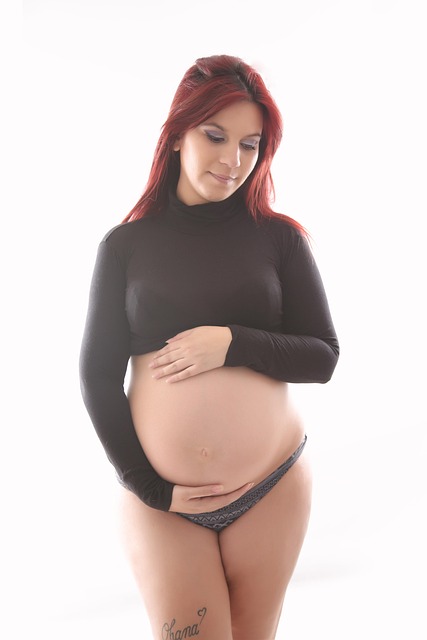
In my 33rd week of pregnancy, I decided to change my healthcare provider in pursuit of the most natural, unmedicated childbirth experience possible. Ironically, during my very first appointment with my new doctor, I found myself admitted to the hospital and receiving what my third high-risk pregnancy specialist described as “near toxic IV doses” of two heart medications. The reason? My baby boy was diagnosed with fetal atrial flutter.
A pediatric cardiologist was summoned from a nearby facility, and together we observed on the ultrasound monitor as my baby’s heart rate soared to over 500 beats per minute in the atria and approximately 250 in the ventricles. At that rapid pace, it was hard to even identify a heartbeat; I could only discern a slight quiver that appeared both stressed and hopeless. The valves struggled to keep up with the chaotic rhythm, leading to a situation known as “tricuspid regurgitation.” As a result, my baby’s heart was enlarging—a response to the excessive strain, but also a sign that the flutter could resolve if he managed to enter a normal sinus rhythm.
During my time in the hospital, I would encounter over a dozen doctors, each greeting me with a warm, “I’ve heard so much about you and your baby; it’s a pleasure to finally meet.” I often wondered what they had heard. Did they know my son’s name, Leo James? Were they aware that I was a teacher with students who were anxiously waiting for updates? Did they understand that my husband and I had been preparing for this baby for months, training our dogs with a lifelike doll? Probably not.
What they did know was that I was having contractions, was two centimeters dilated, and was experiencing atrial flutter. After the first dose of IV Digoxin, Leo’s heart rate dangerously dropped to 80 beats per minute—a reaction the neonatal cardiologist hadn’t encountered in 25 years.
Everyone I encountered was incredibly kind, but I found myself yearning for the comfort of home, the ability to control my surroundings, and the predictability of normal life. Thankfully, with the medication, his heart rhythm was converted to a stable sinus rhythm on three occasions; however, it would revert back to flutter after a few hours or days. Each brief period of normalcy bought us precious time. I was prepared with steroid shots to aid in developing Leo’s fragile lungs for a possible emergency C-section, but with each sinus rhythm, it felt like we were resetting the clock.
There was a sense of reassurance in treating my baby while he was still in utero, as the doctors could only treat me. Leo had no needles, no uncomfortable procedures, and I was able to shield him from the discomforts of medical interventions. My body served as a protective barrier, even as I prepared mentally for the possibility of having to deliver him early and have him shocked back into a normal rhythm. Just the thought of witnessing my baby’s trauma was unbearable, yet he remained safe inside me.
I was monitored around the clock with a personal nurse always by my side. My heart was healthy, but I was on medication designed to reset an arrhythmia. My care team was vigilant, ensuring I was never left alone. I had to find creative ways to maintain some privacy, like timing my gas release with the noisy blood pressure cuff.
There were light-hearted moments, too, like when my favorite nurse brought in an extra pillow, and I blurted out my gratitude just as another nurse was performing a cervical check. Or when, half asleep, I thought I had delivered after the clunky monitors slipped off my belly. The smiles and optimism from the staff helped lift my spirits through the unexpected challenges.
On my sixth day of my second extended hospital stay, and at exactly 35 weeks, little Leo maintained his sinus rhythm for 12 hours. After a final EKG and blood draw, I was discharged with a Doppler monitor and a follow-up appointment set for the next day. We were transitioning from inpatient to outpatient care, and my baby was still safely inside.
Just two days later, however, we detected an irregular rhythm with skips and gallops on our home Doppler. While at work, I received a call instructing me to report to my doctor immediately, where Leo’s recurring flutter was confirmed. Another hospital admission was necessary, and soon his scans revealed that both his heart enlargement and tricuspid valve leak were worsening. The lead pediatric cardiologist informed me we would be transferred to a downtown hospital connected to a children’s facility that could handle complex cases like ours. My mind drifted to the birth plan I had envisioned just a month earlier.
I had imagined a serene home birth, laboring in our beautiful tub filled with lavender bubbles, candles flickering, and soft music playing. I pictured a natural delivery, surrounded by a supportive team, with Leo placed directly on my chest for immediate skin-to-skin contact. Instead, reality set in: I would undergo surgery, and Leo would be taken from me right after birth for urgent evaluation under harsh fluorescent lights. He would likely need to be shocked back into rhythm, have an IV started, and possibly face further interventions.
As I lay there waiting for the final paperwork to be processed for my transfer, my caring nurses and OB offered words of encouragement and asked me to keep them updated. I felt grateful for their kindness yet frustrated that compassion could not replace the necessity of medical intervention. I wished with all my heart that healing could come from love and warmth rather than from medications and electrical procedures.
Upon reaching the downtown hospital, I was once again inundated with specialists explaining their plans and obtaining consent. A NICU nurse later sat down with me to outline the potential post-birth scenarios, none of which included the joy of holding my baby close.
Tears welled in my eyes as I struggled to maintain composure. I couldn’t even look at my husband, Jake, who was doing his best to stay strong as we absorbed the gravity of what lay ahead. We shared our first real cry together, overwhelmed by the uncertainty.
I would cry again when my body couldn’t tolerate an increased medication dose, forcing the doctors to reduce it. My heart had reached its limits, and I felt the weight of my situation grow heavier.
A few years back, my parents took Jake and me to a casino, which I dreaded. I felt utterly out of control and lost everything I had brought. Now, the stakes were even higher. I was forced to gamble once again—not with money, but with my baby’s life. The doctors needed Leo’s lungs as developed as possible, and they were hesitant to deliver him before 37 weeks. I was told we had a 10% chance of losing him during the wait. If he developed hydrops (a serious consequence of his flutter), his chances of survival would drop to 50%.
Having never been a gambler, I was acutely aware of the depth of my love for this unborn child. Faced with doubt, fear, and love, we turned the decision over to the doctors, hoping their expertise would lead us to a better outcome.
That night, we read books to Leo, creating a tender moment amidst the turmoil. I imagined his kicks were responses to the stories. We concluded our bedtime routine with a comforting Mexican nursery rhyme: “Sana, sana, colita de rana, si no sanas hoy, sanaras manana.” (Heal, heal, little frog tail; if you don’t heal today, you will heal tomorrow.) Miraculously, the next day, Leo’s heart showed improvement, though it wasn’t fully healed. His ventricular rate stabilized around 130, and the doctors debated whether he was in a healthy sinus rhythm or a mild flutter.
The lead pediatric cardiologist expressed enthusiasm about the possibility of going home and having a full-term vaginal delivery, but I remained cautious. We still didn’t know if he was truly in sinus rhythm, and he had slipped back into flutter twice before. The waiting game began again.
A couple of days later, at 36 weeks and 3 days, our fetal cardiologist informed us that Leo’s right ventricular function was deteriorating. We could no longer afford to wait; she looked me in the eyes and said, “We will deliver you today.” Given his condition, we were prepared for him to be “sick” and taken straight to the cardiac intensive care unit.
“Flutter” sounds so gentle, like butterflies or little ballerinas. But the image of Leo’s heart on the screen was nothing but chaotic and exhausting. I ached to witness his struggle and was terrified of what lay ahead. “Do not worry yet,” my supportive nurse advised. “I am not saying it will be easy, but if you worry now, you’ll forget your questions. You need to be strong.”
Ultimately, this journey taught me that love, hope, and resilience can overcome even the most daunting odds. If you’re interested in exploring home insemination options, check out this great resource from NHS, or for specific tools, Make a Mom offers excellent products. For more insights on related experiences, don’t forget to visit Home Insemination Kit.
Summary:
This journey reflects the emotional rollercoaster of navigating a high-risk pregnancy, the balance of hope and fear, and the decisions that weigh heavily on expectant parents. It captures the struggle of wanting to provide the best for an unborn child while facing the harsh realities of medical interventions.
Keyphrase: Difficult Decisions in High-Risk Pregnancy
Tags: [“home insemination kit” “home insemination syringe” “self insemination”]