Updated: March 16, 2021
Originally Published: January 2, 2020
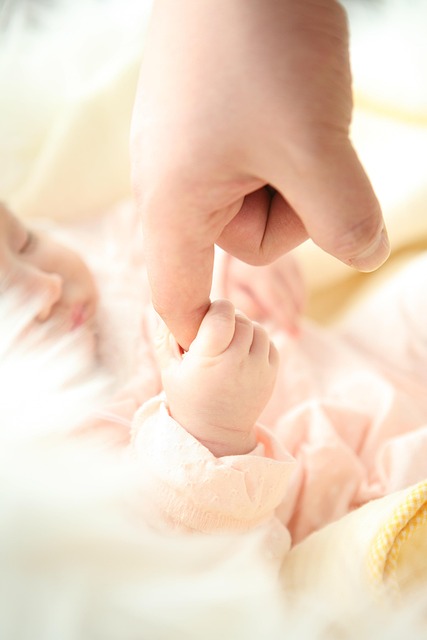
Image Source: Westend61/Getty
Trigger Warning: Abuse
Domestic violence often defies expectations. Allow me to share a story.
This photograph of my former partner and me was captured on Christmas night in 2013. Earlier that day, we had joyfully woken up early to unwrap gifts from Santa with our son, just a few months old, and our daughter, who was two. The aroma of fresh coffee and cinnamon rolls filled our home, and the kids were excited, surrounded by their new toys. A cozy fire crackled in the fireplace, setting a warm tone for the morning. But what began as a joyful family memory quickly morphed into a nightmare I felt powerless to escape.
As was common in our turbulent marriage, his mood shifted unexpectedly. Before we had even unwrapped all the presents, he exploded with rage. I can’t recall the exact trigger for his anger; in fact, I rarely knew what I had done wrong. I just knew I was perpetually falling short of his expectations. During these tirades, he would berate me, claiming I lacked respect and appreciation, that I never maintained a clean home, and that my cooking was subpar. He called me names that cut deep, like “lazy” and “worthless,” constantly reminding me that my post-baby body was no longer attractive. He would insist I should be grateful for him, implying that no one else would tolerate me.
On that Christmas morning, while cradling our infant son, he slapped me across the face with all his might. My glasses shattered, and for a moment, I literally saw stars. It wasn’t a cartoonish joke; I was left with bruises and swelling around my eye.
He rampaged through our home, shouting incoherent threats and destroying my belongings. He mocked me as he discarded a handmade Christmas gift I had created for him, sending it straight into the garbage. He shattered a glass candle, leaving a hole in the kitchen wall that I later concealed with a picture frame. Meanwhile, our children screamed in terror. I will never forget the sight of my daughter, sucking her thumb in a corner, fear radiating from her wide eyes. It broke my heart to see her beloved daddy behave like this. I begged him to stop, to think of the kids, to remember it was Christmas, but his rage consumed him.
In those moments, I learned that removing myself was the only way to regain control. I had done it before, gathering the children and fleeing to my car, tears streaming down our faces as I drove an hour to my parents’ house. Upon arriving, I hesitated to step inside and share what had transpired. I wasn’t ready. I desperately wanted to preserve my family and protect his image. I knew that revealing this dark secret would change everything, and I wasn’t prepared for that.
At the time, I couldn’t fathom my marriage ending. I had always dreamed of being a wife and mother—perhaps simple goals, but they were mine. I held onto the belief that he was a broken man who needed me, convinced that if I just tried harder, he would heal. I wanted desperately to believe in the good I once saw in him.
Looking back, it seems absurd that I sought to shield him from judgment while he held so little regard for me and our children. This is the insidious nature of abuse; it’s not just physical but deeply mental. It warps the victim’s perception, planting seeds of self-doubt and blame, leaving them tiptoeing around their abuser to avoid triggering another episode. For years, I had been made to question my own sanity. I believed his fury and abuse were deserved. When someone you love tells you daily that you’re weak and worthless, you eventually start to internalize that truth.
Instead of reaching out to my family that Christmas, I returned home with my children. He offered apologies, and I forgave him, a familiar cycle that had played out countless times before. He would feign remorse and promise to change, offering glimpses of the man I thought I married. But abusers don’t change after the vows; they simply shed their mask.
Later that evening, we returned to my parents’ house to celebrate Christmas, where I concealed the bruise on my face with makeup and pretended everything was fine. I smiled for the camera, posting cheerful family photos online, while no one knew my home felt like a battlefield. No one saw the tears I shed at night, the isolation I felt, or the overwhelming fear for my children and myself.
It took another two and a half years for me to finally find the strength to leave for good. If you’ve never been in such a situation, it’s impossible to fully understand. There’s so much judgment directed at women and mothers in abusive situations, with people suggesting they should “just leave,” as if it were simple. Research indicates it takes an average of seven attempts to leave before one finally breaks free. Unless you’ve lived it, you can’t know how you would react.
There are countless horrific incidents I could recount, some worse than what I’ve already shared. I often fabricated stories to explain my injuries: a busted lip? A “baby accident.” Bruises? “Just clumsy me, fell in the shower!” I existed in a fog of fear, wary of his unpredictable moods. Over the years, he choked me, slapped me, punched me while I was driving, and even threw me to the ground when I was pregnant. Sometimes, I fought back; more often, I cowered, waiting for it to end. He towered over me, both physically and emotionally.
One of the worst injuries occurred when he shoved me into a corner, leaving a painful bruise across my back. Afterward, I took the kids to daycare and called in sick to work, visiting my best friend instead. As she held my hands and cried, she pleaded with me to escape, warning that he could have seriously harmed me. I knew she was right.
The day we finally left for good was in August 2016. He burst into the shower, tearing the door off the hinges, and screamed insults in my face. As I emerged, he hurled a chair at me, narrowly missing me and creating another hole in the wall. My children, three and five at the time, clung to me, begging their father to stop. In that moment, I realized I could no longer endure this life. I feared for my life and my children’s future if I stayed.
Although I’ve been away for some time now, some wounds remain unhealed. I still feel that instinctive fear response whenever a man raises his voice. Even with my current husband, who treats me well, I panic if he’s quiet for too long, questioning what I might have done wrong. My children will carry the weight of what they witnessed for years to come.
Recently, my worst fears were confirmed: the cycle of violence continued. His new girlfriend became his target, and just days before Christmas this year, I learned he physically harmed my eight-year-old daughter while caring for her, telling her to keep it a secret. Thankfully, she’s physically unharmed, but the emotional scars run deep.
I’ve taken every precaution to ensure my kids’ safety moving forward. He will never hurt them again, and I will go to any lengths to protect them. It’s heartbreaking to learn that he has continued to inflict pain on others, and I regret allowing him any involvement in their lives after our separation. I mistakenly believed he wouldn’t harm them, thinking he had learned from his past mistakes. But abusers rarely change without significant intervention. Most see no flaw in their behavior and seek control, manipulating those around them.
I harbor anger that my children have faced such hardship. I’m upset with myself for not preventing this. I grieve for my kids, who have endured far too much. I miss the carefree person I once was, before my spirit was crushed and I became a shell of my former self.
Life can be unbearably painful. If there are readers facing their own dangerous situations, know that you are not alone. Abuse is disturbingly common. If you need help, please reach out before it’s too late. Seek support from trusted friends, family, or crisis centers. You don’t have to live in fear.
For more information, check out this other blog post or learn about fertility supplements at Make a Mom. You can also explore resources on pregnancy and IVF at Health Line.
Summary
This story illustrates the hidden realities of domestic abuse, showcasing how a seemingly perfect holiday can mask deep trauma. The author recounts her journey through the cycle of violence, the struggle to maintain appearances, and the ultimate decision to protect her children. It serves as a powerful reminder of the complexities of abusive relationships and the importance of seeking help.
Keyphrase: domestic abuse hidden behind a smile
Tags: [“home insemination kit” “home insemination syringe” “self insemination”]