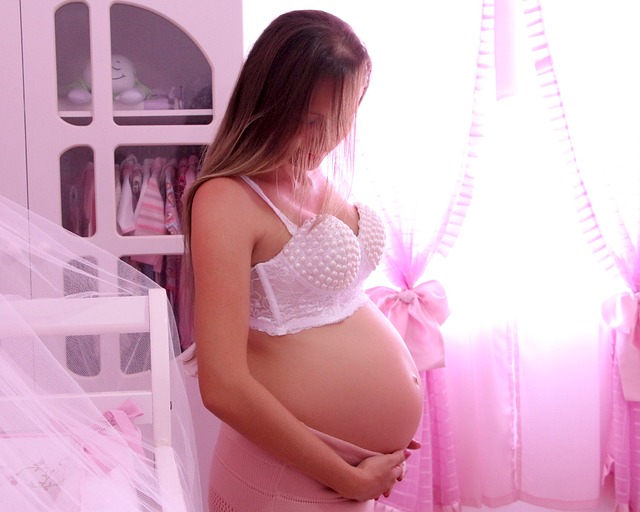
Medical advancements today are reshaping the future for many families. Just a decade ago, a spina bifida diagnosis—a congenital condition where a baby’s spinal cord fails to develop properly—was often seen as a daunting reality filled with medical challenges. However, with innovative fetal surgeries, this narrative is changing for families like the one led by 28-year-old Sophia Johnson and her spirited toddler, Mia.
After a challenging five-year journey involving two IVF specialists, a miscarriage, and two ectopic pregnancies, Sophia and her husband were overjoyed to learn they were expecting Mia without any medical assistance. However, during a routine 24-week anatomy scan, their excitement quickly turned to fear. “When they told us about the spina bifida diagnosis, it felt surreal,” Sophia recalls. “They explained that her spinal cord was not properly formed, and instantly, I thought of all the implications—like whether she would ever walk.”
Spina bifida can lead to severe complications, including paralysis and difficulties with bladder control, breathing, and even speaking. Although there is no cure, the latest fetal interventions offer hope and better outcomes than surgeries performed after birth. “Research indicates that babies who undergo in-utero closure have improved neurological outcomes,” explains Dr. Lisa Thompson, a leading specialist in fetal interventions at Sunshine Hospital.
Due to the inherent risks of fetal surgery, it remains a rare option. Sophia and her husband were informed that there had only been one other similar procedure performed in their state. “I was overwhelmed with questions—What kind of life would Mia have? Would she be confined to a hospital bed?” she shares.
After weighing their options, including the suggestion to terminate the pregnancy—which they were presented with multiple times—Sophia decided to pursue the fetal surgery. Following thorough medical assessments, they were accepted for the procedure at 26 weeks gestation. “They performed a C-section to access Mia, turned her around, and because she had a skin defect on her back, they placed a skin graft during the repair,” Sophia explains.
Four weeks post-surgery, Mia was born at 30 weeks and 2 days, already wriggling her toes and exhibiting full sensation below her waist. Sophia describes her daughter as “twice born.” After an 87-day NICU stay, they finally returned home, just in time to surprise family at a birthday party.
While initially informed that the surgery would give Mia a 50% chance of mobility, the little girl is now a thriving 15-month-old with remarkable reflexes and movement. “If I had listened to the initial recommendations and proceeded with termination, I wouldn’t have my daughter today,” Sophia emphasizes. “Watching her grow and learn has been the greatest joy of my life.”
Now, before reaching preschool age, Mia has become a symbol of hope, featured on billboards nationwide to raise awareness for spina bifida. As Sophia continues to support her daughter, she embraces every moment of motherhood.
For more insights into pregnancy and home insemination, check out this excellent resource from March of Dimes. If you’re considering options for starting your family, you might also want to explore at-home insemination kits, which you can find at Make a Mom.
In summary, this family’s journey highlights the power of modern medicine and the resilience of hope. With the right support and interventions, families facing spina bifida can look forward to brighter tomorrows.
Keyphrase: fetal surgery for spina bifida
Tags: [“home insemination kit”, “home insemination syringe”, “self insemination”]