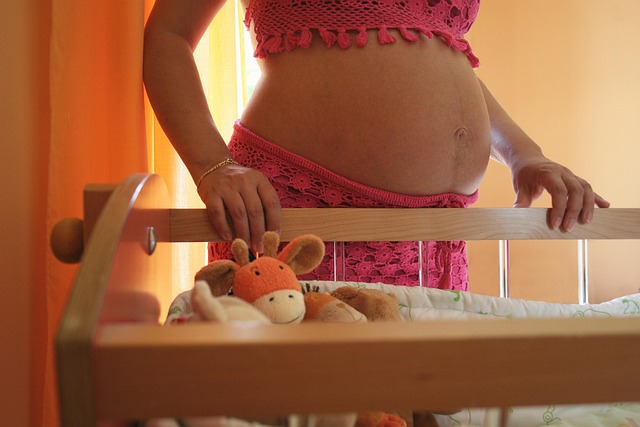
Welcome to our week-by-week pregnancy guide! Here, we provide you with all the essential insights on what to anticipate during your pregnancy journey — from symptoms and baby development to your changing body and upcoming appointments. Here’s what you need to know about week 36.
Your Body at Week 36
You’re in the Final Stretch
Congratulations! You’re nearing the end of your pregnancy, with just about a month to go until you meet your little one. However, it’s normal to feel quite fatigued at this stage. Your daily routine, combined with the anxiety that often accompanies the approach of labor, can be exhausting. Don’t hesitate to take naps when you can and pay attention to your body’s cues for rest. If that means prioritizing a binge-watch session or getting lost in a good book over household chores, go for it!
Insomnia May Still Be an Issue
Despite feeling tired, you might find it challenging to get a good night’s sleep. Discomfort from your growing belly, constant trips to the bathroom, or an overheated room can make it tough to find a restful position. Approximately 78% of expecting mothers experience insomnia during this time. While there’s no one-size-fits-all solution, establishing a calming bedtime routine can help. Engaging in meditation or discussing your worries with a partner can be beneficial. Eating an earlier dinner and reducing fluid intake as the day winds down can also minimize nighttime bathroom visits.
Weight Changes
At this stage, your baby is gaining about an ounce daily, while your weight should stabilize until labor. If you notice that your weight gain has plateaued, there’s no need for concern; this is a normal part of pregnancy.
Your Baby at Week 36
At 36 weeks, your baby is roughly the size of a rack of ribs and weighs around six pounds. As you prepare for their arrival with nursery touches and adorable outfits, your little one is getting ready, too. Most babies settle into a head-down position by this week, dropping lower in your abdomen. If your baby hasn’t turned yet, there’s no need to panic — they might still adjust in the coming week. Your doctor will guide you if they remain in breech position.
With your baby growing larger, their movements will shift from vigorous kicks to more subtle squirming and stretching as they have less room to maneuver.
Symptoms and Health at Week 36
Monitor Your Mood
It’s essential to pay attention not just to physical changes but also to your emotional state. Be vigilant for signs of anxiety or depression, as these may indicate a risk for postpartum depression. If you notice any concerning symptoms, reach out to your healthcare provider promptly to discuss a plan moving forward.
Braxton Hicks Contractions
As you enter week 36, be prepared for false labor signs in the form of Braxton Hicks contractions. These practice contractions can occur due to various factors like a full bladder or dehydration. They usually feel uncomfortable but aren’t painful, and they lack a regular pattern. If you experience these contractions, try changing your position, taking a warm bath, or sipping on water or herbal tea.
Indigestion and Discomfort
Heartburn and indigestion might peak during this week, caused by your baby’s descent into your abdomen. This can lead to additional bloating or gas, and some women may find themselves facing constipation. Eating smaller meals throughout the day and taking your time while eating can help alleviate discomfort.
Increased Vaginal Discharge
You may notice a rise in vaginal discharge, which could be thicker and tinged with blood as your body prepares for labor. This mucus helps protect your uterus from bacteria, but if you see a significant amount of blood similar to a menstrual period, contact your doctor immediately.
Expecting Twins?
For those expecting twins, week 36 could signal the start of labor, as twins often arrive earlier than singletons. You may begin to experience dilation and effacement, which prepares your cervix for delivery. When your water breaks, it can feel like a small leak or a gush. Keep track of the time and start timing contractions. Initially, they may last 30-60 seconds, with intervals of 5-20 minutes, gradually intensifying as labor progresses.
Remember, your healthcare team will be there to support you as you transition into this exciting new chapter!
For more information on fertility and home insemination, check out this excellent resource on intrauterine insemination. Also, consider boosting your journey with fertility supplements to maximize your chances of conception.
Summary:
At 36 weeks pregnant, you’re nearing the end of your journey. Expect fatigue, possible insomnia, and Braxton Hicks contractions as your body prepares for labor. Your baby is getting bigger and adjusting to their position for delivery. Remember to monitor both your physical and emotional health, and reach out for help if needed.
Keyphrase: 36 weeks pregnant
Tags: [“home insemination kit” “home insemination syringe” “self insemination”]