Welcome to your week-by-week pregnancy guide at Home Insemination Kit! Here, we provide essential insights into what you can anticipate during your pregnancy journey, including updates on your baby’s development, changes in your body, and tips for your upcoming appointments. Let’s dive into everything you should know about week 29.
Your Body at 29 Weeks Pregnant
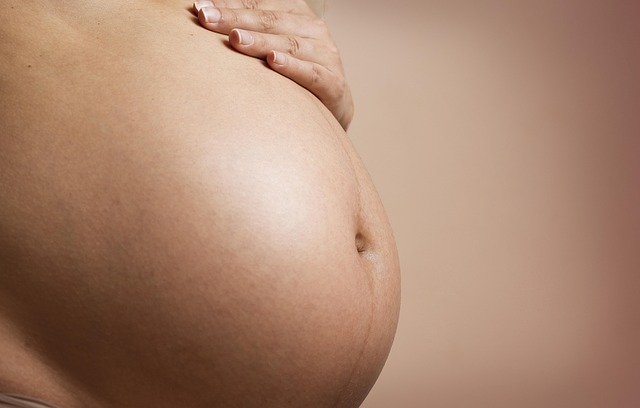
As you reach the 29-week mark, your belly is beginning to feel quite cramped. At this stage, you’re officially six months and one week into your pregnancy, with typical weight gain ranging from 19 to 25 pounds. If you’re carrying twins, that can increase to about 23 to 38 pounds. A gentle touch around your abdomen will reveal that the top of your uterus is positioned about 3.5 to 4 inches above your belly button.
With your baby growing rapidly, expect to feel plenty of movement. Your little one is likely getting a burst of energy, which translates into kicks, rolls, and pushes. Keep track of their movements by counting kicks—aim for at least ten distinct movements within two hours. If your little one seems less active than usual, try playing some music or sipping on ice-cold water to encourage movement; however, if there’s still little activity, contact your healthcare provider.
Your Baby at 29 Weeks Pregnant
At 29 weeks, your baby is roughly the size of a lobster, weighing in around two and a half pounds and measuring about 15.2 inches long. There’s still significant growth ahead, as your baby will need to triple in weight before birth. If you’re expecting twins, a thin membrane has formed between them, indicating their desire for personal space! You might also notice your baby reacting to various stimuli, such as food, sounds, and light, which is a sign of their developing brain and emerging personality.
Symptoms and Health at 29 Weeks Pregnant
As your baby grows, your skin may stretch, resulting in increased sensitivity. To combat discomfort, keep your skin moisturized and drink plenty of water to stay hydrated. If you experience severe itching or develop a rash, consult your doctor.
Sleep issues can persist at this stage, so try to incorporate light exercise throughout your day, such as prenatal yoga or brisk walking. These activities can enhance your sleep quality.
Constipation is a common complaint during this time, but increasing your water intake and consuming fiber-rich foods can alleviate this issue. Additionally, pregnancy can lead to hemorrhoids due to increased pressure on your digestive system. To ease this discomfort, focus on hydration and a fiber-rich diet, including leafy greens and lentils.
You may find yourself making frequent trips to the bathroom, a consequence of your expanding uterus pressing on your bladder. However, be cautious not to reduce your water intake; staying well-hydrated is crucial to prevent complications like preterm labor, especially if you’re carrying twins, who also require additional hydration.
Body aches are common as your body adjusts to carrying extra weight. This discomfort can be particularly pronounced in your back, legs, and hips. Your joints and ligaments are also getting softer in preparation for labor, which can add to the physical strain.
For those expecting twins, remember that they are currently only about a third of their expected birth weight. This means more movement on your bladder and increased bathroom visits. Staying hydrated remains vital to avoiding dehydration-related complications.
For further information about your fertility journey, check out this excellent resource on intrauterine insemination from Johns Hopkins Medicine. You can also explore our other blog post on how to navigate your couples fertility journey for intracervical insemination here. For a comprehensive home insemination kit, visit this page for more details.
Summary
At 29 weeks of pregnancy, you’re experiencing significant changes as your baby grows to the size of a lobster. Expect more movement, physical discomfort, and the need to stay hydrated. Listening to your body and maintaining a healthy lifestyle will support both you and your baby as you approach the final stages of pregnancy.
Keyphrase: 29 weeks pregnant baby size lobster
Tags: home insemination kit, home insemination syringe, self insemination