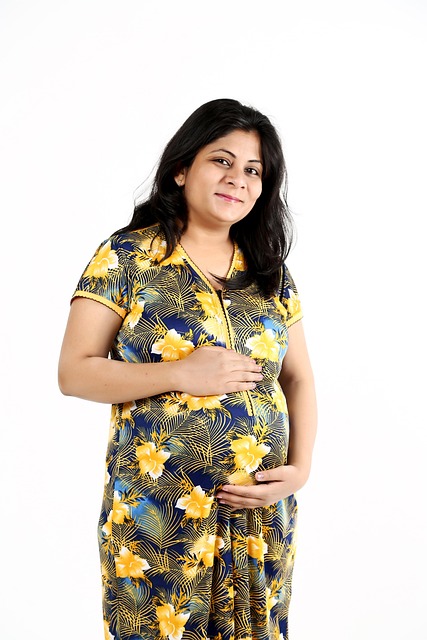
Just ten days after welcoming my daughter into the world, I faced a secondary postpartum hemorrhage. Between the emergency C-section and the subsequent bleeding, I ended up losing a staggering half of my blood volume. It took a full six weeks for the bleeding to cease, three months to overcome my anxiety surrounding blood loss, and nearly eight months to regain my sense of normalcy. Even fourteen months later, I still bear a mark on my back from the epidural I had for two days. This is the account of my seemingly painless C-section that spiraled into a terrifying hemorrhage.
It was two days before my due date when my water broke while I was relaxing on the couch. I had been uncertain all day about whether I was experiencing contractions. Upon arriving at the hospital, the nurses initially thought about sending me home because I didn’t seem to be in active labor. However, I was already four centimeters dilated and ready for the epidural. After spending several hours in the labor room trying different positions to help my baby’s head engage, the baby’s heartbeat suddenly became erratic, prompting an urgent rush to the operating room for an emergency C-section.
Once we reached the OR, the heartbeat stabilized, and I was returned to the labor room. But my doctor was worried that my baby’s head was still too high up. Just a short time later, the heartbeat faltered again. In a calm voice, my doctor said, “We need to deliver the baby through surgery.” I simply replied, “Okay.”
The team spent what felt like forever preparing the OR. I felt a sense of isolation, yearning for someone to keep me company. My husband took his place at my side, while the anesthesiologist stood behind me. I asked whether I would feel anything during the procedure, and he assured me I wouldn’t, adding that I would be on the epidural for two days afterward. The doctors conversed about the meaning of the name “Juniper,” the name we had chosen for our daughter. When they finally delivered her, their first exclamation was, “Look at all that red hair!” I was filled with disbelief and anticipation as they placed her on my shoulder, tears streaming down my face.
However, shortly after we were reunited, I experienced an overwhelming sensation. As I stood up, it felt like a gallon of blood poured out of me. While the medical team cleaned up Juniper, they tended to my wounds. My doctor leaned over the surgical drape and remarked, “You have a lot of endometriosis. It’s a miracle you got pregnant.” I replied, “We only tried once.”
The stitching felt interminable. As we were finally rolled out of the room, my doctor referred to the IV lines as “spaghetti.” I jokingly asked for some spaghetti, and she laughed, explaining I would start on a liquid diet. Little did I know how challenging my recovery would be.
My C-section recovery started smoothly; I felt no pain and managed to walk around the hospital without issue. I was prescribed Children’s Motrin due to my difficulty swallowing pills, and I took it from a shot glass. I followed the nurses’ advice to take things easy.
But ten days post-surgery, I noticed my bleeding was becoming excessive. When I called the hospital, I was told that a hemorrhage after a C-section was quite uncommon. Nevertheless, I felt compelled to get checked out. As I exited the car, blood began to pour down my legs and onto the pavement. It was an unreal experience. I walked into the hospital covered in blood, and the receptionist looked frightened as they wheeled me to triage on a blood-soaked wheelchair.
In the triage room, a nurse tried to clean me up while measuring my blood loss, which was significant. A doctor informed me that we needed to stimulate my uterus to contract again with pitocin and some medications administered rectally for rapid absorption. Although the treatment was effective in decreasing the bleeding, I endured uncontrollable shaking for nearly two hours. They wrapped me in warm blankets, suspecting I had developed a fever.
Once the shaking subsided, I underwent an ultrasound to confirm that everything was cleared from my uterus. Fortunately, the results were clear, but I still faced a long road ahead. I received a blood transfusion due to losing half my blood volume, along with an EKG for my elevated heart rate and multiple tests for blood pressure. I was also given three different antibiotics as a precaution against infection.
Two days later, just before my birthday, I returned home. At my follow-up appointment, my doctor explained:
- The cause of the hemorrhage remains unclear.
- My uterus was cleaned during the C-section, but it wasn’t contracting properly.
- Clots are normal, and breastfeeding might have helped, but there are no certainties.
- Infection is a possibility, but it’s just a precaution.
She reassured me that I hadn’t caused this myself, and I was encouraged to get moving without overexerting. Although I was told it was unlikely to happen again, my newfound anxiety about blood loss made it difficult to accept this reassurance.
A conversation with a friend who is a labor and delivery nurse helped me understand how the uterus functions and heals—something no doctor had explained thus far. I needed to grasp the science behind it all. I never experienced postpartum depression or anxiety concerning my baby; my worries were solely about my own body. I wanted so much: to care for my child, clean the house, socialize, and embrace life. Instead, I felt trapped.
Postpartum recovery is a lengthy journey for any birth, and I believe my experience with significant blood loss prolonged mine. Now, a year later, I am finally able to enjoy yoga, hiking, and running without needing naps or iron supplements. My daughter is a delightful sleeper, and my husband remains wonderfully supportive and humorous.
I wouldn’t change a thing about my birth experience; each moment is integral to my identity today. It’s also part of my daughter’s story and her entry into this beautiful world. The physical imprint from my journey is a testament to the challenges I faced—from pregnancy to labor, an emergency C-section, and a secondary postpartum hemorrhage. My body bears the physical scars, but the emotional imprint will remain with me forever.
For those interested in learning more about pregnancy and home insemination, I recommend visiting Healthline for excellent resources. Also, check out this post for insights into home insemination options and this one for further information.
Summary
The journey through postpartum recovery can be complex, especially after experiencing a secondary postpartum hemorrhage following a C-section. My experience highlighted the physical and emotional challenges that can arise, but ultimately, my perseverance led to a renewed sense of normalcy and joy in motherhood.
Keyphrase: postpartum hemorrhage C-section experience
Tags: [“home insemination kit”, “home insemination syringe”, “self insemination”]