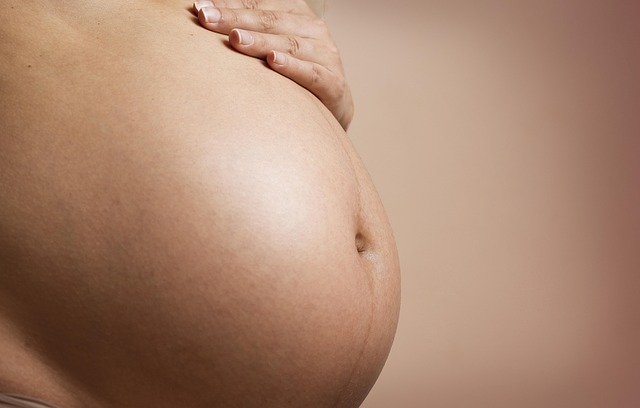
Experiencing pregnancy during the summer months can be quite challenging. With the heat turned up, you often find yourself feeling uncomfortably warm, regardless of how high you set your air conditioning (much to the chagrin of your housemates). It can feel like you’re sweating from every pore, leading to some truly unpleasant moments. And let’s be real—there’s nothing worse than dealing with the discomfort of pregnancy-related heat issues. To make matters worse, no amount of hydration seems to quench your thirst, resulting in frequent bathroom trips.
But did you know that hot weather might also lead to premature labor? A 2014 study published in Epidemiology highlighted a link between extreme heat and early-term births. Researchers analyzed data from 206,929 full-term and 12,390 preterm single live births in Montreal from 1981 to 2010. They defined preterm as births occurring before 37 weeks, early term as between 37 and 38 weeks, and full term as any birth after 39 weeks. The study focused on the highest temperatures recorded in the week leading up to delivery, particularly when temperatures soared to 32 degrees Celsius (90 degrees Fahrenheit) or higher.
Depending on where you live, these temperatures can be commonplace. For instance, my child was born in late summer in Southern California, and we definitely experienced a heat wave in the weeks leading up to the birth. I remember joking about our electric bill, as I kept the AC running almost constantly. Despite my efforts to stay indoors, I still needed to venture outside occasionally, even if it was just to walk the dog.
When you’re nearing the end of your pregnancy, you want to limit your activities as much as possible—especially in the sweltering heat. Just stepping outside to grab the mail can feel exhausting, and it seems impossible to do nothing in those final weeks when you’re busy preparing for your new arrival. My son was born 15 days early, at 37 weeks and 5 days, on a day when temperatures reached the 80s. I spent most of that day indoors with the AC blasting, but it was still warm when we headed to the hospital later that afternoon.
The study found that the likelihood of giving birth increases by 4% when temperatures are at or above 90 degrees. This correlation is especially evident in early-term births. For instance, the risk of early labor rises by 27% during a heat wave (defined as several consecutive days of high temperatures) in the week before delivery. According to Dr. Lisa Carter, a researcher at the University of Montreal, “Physical stresses, such as heat, have a more significant effect at 37 or 38 weeks than earlier in pregnancy.” While the research doesn’t claim heat alone causes early labor, the relationship between high temperatures and premature births is noteworthy.
Giving birth between 37 and 40 weeks doesn’t carry the same risks as delivering before 37 weeks, but there are still concerns since the fetus continues to develop during those final weeks. For many pregnant women, staying cool indoors can be a challenge. By the end of my pregnancy, I had numerous appointments and errands to run, often relying on public transportation, as I didn’t drive. For mothers with other children, avoiding the heat until delivery may not be an option.
If you find yourself needing to be outdoors in extreme heat, Dr. Carter emphasizes the importance of staying hydrated. Drink water consistently, even if you don’t feel thirsty, since excessive thirst can indicate dehydration, which may also trigger labor.
Ultimately, there’s no foolproof way to ensure comfort during summer pregnancy. However, by taking steps to keep yourself cool and hydrated, you may be able to influence the timing of your baby’s arrival. For more insights into fertility and pregnancy, check out resources like this informative article on intrauterine insemination, or explore these fertility supplements that can support your journey.
Summary
Pregnancy during hot weather poses unique challenges, including the possibility of early labor. Research has shown a correlation between high temperatures and preterm births, particularly in the final weeks of pregnancy. Staying hydrated and cool is essential for expectant mothers, especially when faced with heat waves. Despite the discomfort, being mindful of hydration can help manage the timing of delivery.
Keyphrase: hot weather and early labor
Tags: “home insemination kit”, “home insemination syringe”, “self insemination”