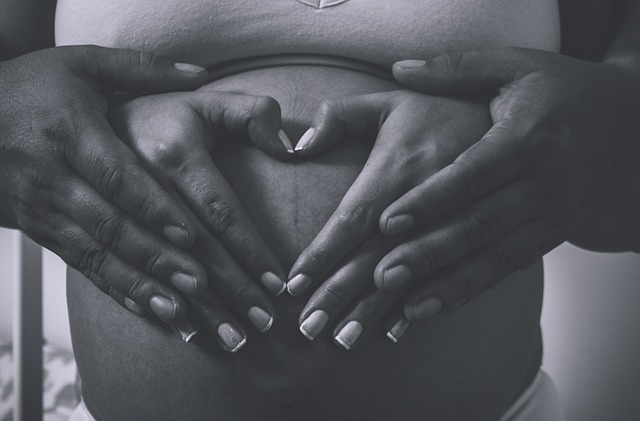
A year ago, I was 35 weeks pregnant, blissfully unaware that my placenta was detaching from my uterus. It was a routine day, and even my doctor, whom I had just seen, didn’t suspect anything was amiss. I felt restless and a bit uneasy, so after discussing it with my family, I decided to head to the hospital. I approached the triage nurse, nervously expressing, “I know I might be overreacting, but I just want to make sure my baby is okay.”
Once hooked up to a fetal monitor, I texted my partner to let him know our baby’s heart rate was strong. But that stability quickly vanished. Moments later, I experienced a severe placental abruption, a condition that cut off oxygen from my baby, leading to internal bleeding. I only felt slightly light-headed, and if I had been at home, I would have had no idea that my baby, whom I named Max, was in distress.
Miraculously, I was at the hospital. Suddenly, a flurry of medical personnel surrounded me, and my bed was whisked away to the operating room. In the chaos, I felt so small, like a thimble in a game of Monopoly. I requested to call my partner, but someone took my phone and never returned it.
A Surreal Experience
The operating room felt like a different reality. As I lay there, feeling needles pierce my skin, I had an odd sensation of connection with a friend who had just passed away from cancer. I even caught a glimpse of my partner’s grandfather, who had died weeks earlier. Though bizarre, their presence provided me some comfort as I navigated this surreal moment.
Unlike most births, Max entered the world through an emergency C-section. When I regained consciousness, I heard my partner’s voice and immediately realized I was no longer pregnant. The overwhelming realization that my baby was not in the room with me was indescribable.
The Fight for Life
The clinical medical records indicate that Max was born blue and unresponsive, with an alarming initial APGAR score of 2. While the medical team resuscitated him, I was being stitched up above. It felt like a scene from an intense medical drama, with machines working to breathe life into my baby one floor below.
Against all odds, Max was stable. Encased in an incubator, he appeared as if he had been tangled in a fishing net. He was our little miracle. Every healthcare professional we encountered remarked on how fortunate we were. They asked how I had known to come in, but I struggled to articulate that it was an instinct that pulled me from my couch into the car.
The First Meeting
As I sat in a wheelchair, still bruised and connected to IVs, I finally met Max 12 hours after his birth. We didn’t capture that moment in a photograph; we were engulfed in a mix of awe and fear, as if we had narrowly escaped danger. His tiny features were partly obscured by a web of cords, yet I found solace in the rise and fall of his chest.
Processing the Trauma
Processing the trauma of that birth has been a complex journey. Most days, I feel immense gratitude, especially when I think of those who have faced unimaginable loss or are unable to conceive. This wasn’t that kind of heartbreak.
However, my perspective has changed. I can’t shake the feeling that the ground beneath me is less stable. I am acutely aware of how close we came to a different outcome. Pregnant women now evoke a sense of urgency in me; I find myself holding my breath when I see their rounded bellies.
Life Moves Forward
Still, life moves forward. Max is now one year old, a lively bundle of joy who spills out of his pants and greets me with slobbery kisses. His tiny fingernails remind me of the fragility of life.
I often reflect on that first moment we should have captured together, but instead, I focus on our connection when I retrieve him from his crib. He places his little hand against the side of the pack-n-play, waiting for me to mirror his gesture. His warm palm brings me a sense of peace, and I realize I no longer need that picture to remember how precious he is.
Resources for Others
For those navigating similar challenges, resources like ACOG’s information on treating infertility can be invaluable. If you’re considering options like at-home insemination, you might find helpful insights in our blog posts about the home insemination kit and BabyMaker Home Intracervical Insemination Syringe Kit Combo, which provide essential guidance.
Summary
A mother reflects on her traumatic birth experience, navigating moments of fear and relief as she recounts the events surrounding her son Max’s birth. The emotional journey reveals the complex feelings of gratitude and the heavy weight of what could have been, highlighting the fragility of life and the unbreakable bond between mother and child.
Keyphrase: traumatic birth experience
Tags: [“home insemination kit”, “home insemination syringe”, “self insemination”]