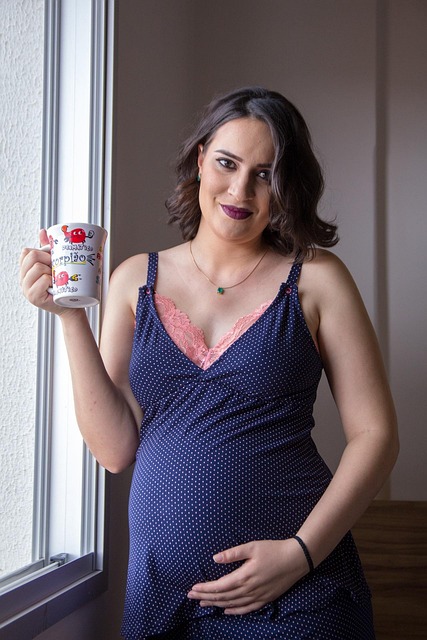
When a woman welcomes a new baby, one of the first questions we often ask is, “How was the birth?” Did it happen quickly or drag on for hours? Was there an epidural involved? Did you experience pain? What was the delivery method—vaginal or via C-section?
For instance, when I had my son, my experience was quite the rollercoaster. My water broke, but there was meconium present, which is a bit alarming. After a lengthy labor, I developed an infection that made me feel as though I had the flu on top of everything else. My body decided it had enough, and I found myself heading to the Operating Room. Honestly, I was relieved. I was in pain and nauseous, but all I wanted was to meet my baby. The moment I heard him cry, nothing else mattered. I was a mom, and I finally got to see my child.
Yet, amidst the joy, I was met with a wave of apologies. “Oh, you had a C-section? I’m so sorry!” I was bewildered. Did I somehow deliver an alien? My baby was healthy, I was being given medication for my nausea, and life was good. Sure, my body had changed, and I would never have my pre-baby abs back, but that hardly seemed significant in the grand scheme of things.
What was even more baffling were the looks of pity I received—like I had just shared a tale of woe. The worst was hearing, “I’m sorry you missed out on the experience of giving birth.” Did I miss out? A baby came out of me! I could barely stand to hear that sentiment.
We talk about how C-sections can be just as valid as vaginal births, yet our language doesn’t reflect that. Terms like “normal birth” or “natural birth” often leave out the realities of C-sections, which can be equally miraculous and life-saving. It’s crucial to recognize that both vaginal and cesarean births are valid methods of bringing life into the world.
I understand that some women feel disappointed about having a C-section. If someone shares their feelings of sadness or trauma about their birth experience, it’s appropriate to express empathy and offer support. However, it’s not fair to assume that every woman who delivers via C-section feels that way, nor should we presume that those who had vaginal deliveries are automatically satisfied.
During my second pregnancy, my body didn’t cooperate again, and I ended up back in the Operating Room. This time, a C-section was not just a choice; it was essential for both my health and my baby’s.
What does my C-section scar signify? It represents my ability to raise my children, to witness their milestones, and to be there for them in ways that I might not have been able to be fifty years ago. It means I can take part in their lives, whether it’s hearing them ask for snacks or watching them discover new things.
I refuse to feel sorry about my C-sections. While I acknowledge the challenges I faced, I am incredibly grateful for the outcomes. We must recognize how language shapes our perceptions, especially for new mothers who are in a vulnerable state. So the next time you hear about a woman who has had a C-section, celebrate her journey.
If you’re looking for more information on home insemination, check out this article from our blog, where we discuss various options available, including the artificial insemination kit you can use. Additionally, if you’re interested in the specifics of intrauterine insemination, Healthline provides excellent resources on this topic. For those considering home procedures, the Cryobaby home intracervical insemination syringe kit is worth exploring.
In summary, let’s shift our conversation around birth experiences. C-sections, like any other method of delivery, are valid and deserving of respect. Rather than offering apologies, let’s offer congratulations and support to mothers, no matter how they bring their children into the world.
Keyphrase: C-sections and birth experiences
Tags: [“home insemination kit” “home insemination syringe” “self insemination”]