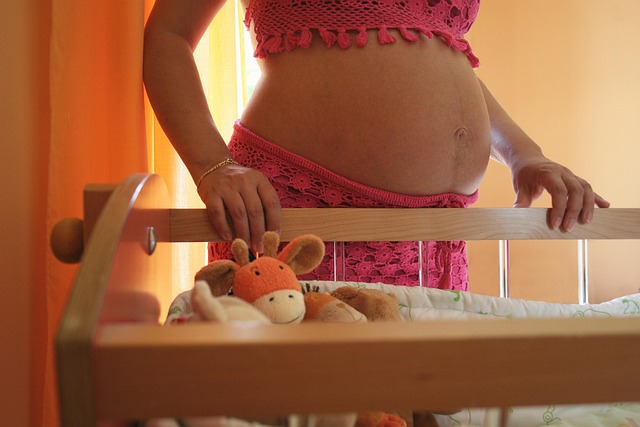
There I was, eight months pregnant with twins, feeling like a balloon about to pop. The days dragged on, and the nights felt even longer. Sleep had become a distant memory, and even using the bathroom was a struggle, my legs going numb with every attempt. My ankles were so swollen that I feared I might burst into tears at any moment. Severe pelvic pain accompanied my awkward waddle, which I was sure could win awards.
Then, the moment arrived. At 1:30 a.m. on the morning of my 37th week, my water broke. In a frenzy, I dashed around the house, leaving a trail of amniotic fluid on the carpet. Clad in my husband’s red plaid pajamas and a blue polka dot top, I panicked at the thought of heading to the hospital looking like this. Instead of changing, I called my mom, who calmed my racing thoughts. I had envisioned my water breaking as the cue for immediate action, fearing a dramatic birth in the car. I quickly grabbed a bath towel and a trash bag to protect our vehicle.
By 3:15 a.m., I was in for a C-section, but not without a terrifying mishap. The anesthesiologist miscalculated my height and didn’t administer the spinal block high enough. For what felt like an eternity, I endured the most excruciating pain I had ever experienced, even more intense than my previous labor.
Once the surgery was complete, I welcomed two beautiful baby boys into the world. One I was able to bond with immediately, while the other was whisked away to the NICU due to breathing difficulties after aspirating meconium-stained amniotic fluid. While I held one tiny miracle in my arms, my heart ached for the other, and I was consumed with guilt about not being able to connect with him. I convinced a nurse to help me see my NICU baby, but after I fainted while trying to get to the bathroom, they insisted I stay put.
Being a new mom to twins is an emotional rollercoaster. After a five-day hospital stay, we finally got to go home. I had only held my NICU baby twice by the time we left. The moment I saw my husband walk in with a second car seat, I felt an overwhelming wave of emotion; how could I manage this?
Once home, I struggled to connect with my NICU baby, burdened by guilt. Hours post-surgery, I began pumping to compensate for not nursing both. At home, I was pumping every four hours while nursing one baby every hour—each of them eating on opposite schedules. My total sleep amounted to about 45 minutes a night. I was barely functioning.
To maintain some semblance of sanity, we moved in with my in-laws, dividing the babies between us at night. As a twin mom, you learn to relinquish control. You can’t hold both babies at once or spoil them as you might like. I had to establish a strict schedule, which was a humbling experience. At times, I had to distance myself emotionally because it was painful to hear one crying while tending to the other.
Having twins as my first experience of motherhood fundamentally altered my parenting approach. I didn’t have the luxury of indulging in “first baby syndrome.” Managing two babies at the same time forced me to adapt quickly. While it has ultimately led to a balanced environment for all of us, it also left me feeling as though I had to treat my firstborns more like second children, which was an unexpected challenge.
With two babies developing simultaneously, comparisons became inevitable. No matter how much I reminded myself that they were unique individuals, seeing one reach milestones before the other triggered anxiety. Both needed me at once, and distractions were futile when their needs coincided.
Caring for two babies simultaneously is mentally and physically draining. I often measured my connections with each child, feeling guilt if I bonded more with one than the other. The strict routines I established were necessary for our survival, but they also placed a unique psychological strain on our family dynamic.
In conclusion, navigating the world of twins is a distinct and challenging experience, one that reshapes your perspective on parenting. For those considering starting a family, resources like the Mayo Clinic offer valuable insights on pregnancy and home insemination. If you’re interested in exploring options, check out Make A Mom for a comprehensive guide on at-home insemination kits, or visit Impregnator for expert advice.
Keyphrase: Having Twins
Tags: “home insemination kit”, “home insemination syringe”, “self insemination”