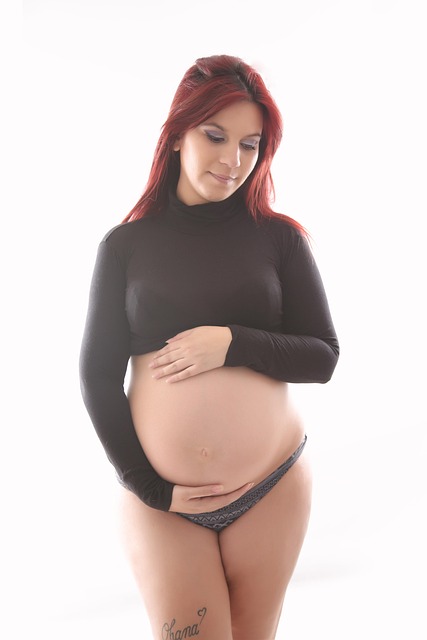

When I was expecting my first child, everything seemed to be going smoothly for the most part. I dealt with relentless heartburn, which I managed with high-strength antacids. My body was swollen, resembling a balloon, and all I craved were Flamin’ Hot Cheetos and popsicles. It was July, and I kept my air conditioning cranked down to 58 degrees most days.
I also noticed my blood pressure was a bit high, but my doctor wasn’t overly concerned since I wasn’t showing signs of preeclampsia. At around eight months along, a friend asked if I had developed any stretch marks yet. I was fortunate enough to say no; my skin seemed to be holding up just fine, which made me feel a little guilty since it’s common for many women.
A week later, my Cheetos obsession was not alleviating my heartburn, but I continued to indulge while resorting to sleeping upright on the couch. It was during this time that I noticed an intense itchiness in my feet. I assumed my dog, who often lounged on the couch, had fleas, and somehow I had caught them too. I frantically searched online for “Can humans get fleas?” and “How do I get rid of fleas?”
Then, the itching spread to my hands and eventually to my belly. I tried to dismiss it as just another pregnancy woe, continuing my searches for flea remedies. But the itching only intensified. My husband urged me not to scratch, while the nurse hotline suggested anti-itch cream and assured me it was likely just my skin stretching. But nothing worked. I soon began to see those stretch marks I thought I had escaped. Within days, my stomach was a canvas of red, angry marks, looking like a scene from a horror movie.
While I could cope with the stretch marks, the incessant itching was unbearable. By the time I had my next appointment, my belly resembled one large scab. The doctor diagnosed me with pruritic urticarial papules and plaques of pregnancy (PUPPP) and explained that the only real solution was to give birth—there wasn’t much else that could be done.
As the days passed, the bumps on my legs and arms faded, but my belly was still a sight to behold. I learned that PUPPPs mostly affects women carrying boys during their first pregnancy, though the reason behind it remains a mystery. When friends tried to empathize, their comments like “That’s so bizarre” only fueled my frustration.
Towards the end of my pregnancy, my doctor checked my blood pressure and examined my belly again. I expressed my misery, and finally, she decided to induce labor a week early. After giving birth, I felt instantaneous relief from the itching, perhaps because my focus had shifted to, you know, caring for a newborn rather than a rash. Over the next couple of weeks, the rash subsided, leaving behind a battered belly. Now, with each subsequent pregnancy, I find myself obsessively inspecting my skin, praying that PUPPPs doesn’t return.
So, to all the beautiful expectant mothers out there, you’ve been warned. You might find yourself among the 1 in 200 women who experience this, and while it does go away, it may drive you absolutely bonkers in the process. For more information on pregnancy and related concerns, you can check out this excellent resource on pregnancy.
And if you’re interested in exploring options for family planning, don’t forget to check out our post on home insemination kits, which can be found at Make a Mom. They also offer valuable insights on enhancing fertility for men here.
Summary:
Navigating the challenges of pregnancy can be daunting, especially when faced with unexpected conditions like PUPPPs. This skin condition can cause intense itching and discomfort, primarily in first-time mothers carrying boys, and the only cure is giving birth. Although it can be frustrating, relief often comes quickly post-delivery. For those interested in family planning, resources are available for home insemination and fertility enhancement.
Keyphrase: PUPPPs during pregnancy
Tags: [“home insemination kit”, “home insemination syringe”, “self insemination”]