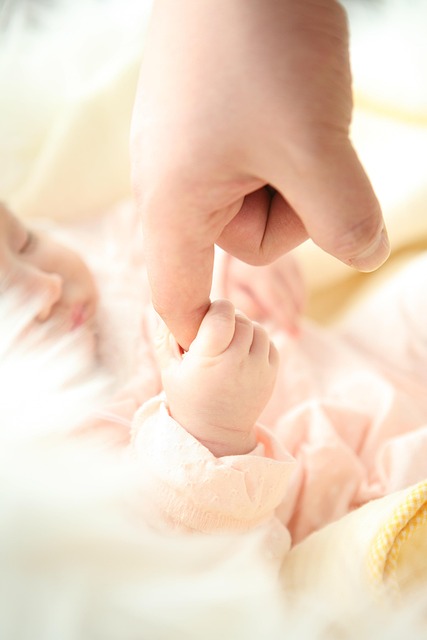
Sensitive children are often characterized by their heightened emotional responses and intense reactions to their surroundings. They may experience sensory overload, where sounds can feel deafening, scents overwhelming, and even the texture of clothing can be too much to bear. This can lead to confusion for parents trying to navigate their child’s heightened anxieties and resistance. However, amidst these challenges lie the incredible strengths that come with being sensitive, especially when nurtured in a healthy environment.
Research suggests that approximately 15 to 20% of children in North America exhibit sensitivity due to an increased reactivity in their nervous systems. As parents observe their sensitive children, many remark that their unique traits seem to manifest from birth. For example, looking back at baby photos, one can often spot the signs—clenched fists, scrunched faces, and rigid postures that indicate their struggle to cope with the world around them.
Interestingly, sensitivity is not exclusive to humans; studies have shown similar traits in various mammal species and even fruit flies. While the exact reasons behind heightened sensitivity remain unclear, factors such as genetics and prenatal experiences are believed to play a role. What remains constant is that sensitive children thrive in environments filled with nurturing relationships and emotional support.
Sensitivity exists on a spectrum, and each child exhibits different levels of responsiveness to external stimuli. As a parent of two sensitive children, I’ve witnessed firsthand their distinct reactions; one child has an incredible sense of smell and becomes emotionally affected by loud noises, while the other is adept at reading emotional cues in social settings.
The gifts of sensitivity can flourish under the right conditions. Sensitive children may face emotional challenges, but with strong support systems that encourage play, expression, and understanding, they can truly thrive. Here are some remarkable traits often found in sensitive kids:
- Perceptive: Sensitive children frequently notice small details and changes in their environment. For instance, when it rained after a long drought, my daughter remarked, “I forgot how wonderful rain smells, Mom.” Their curiosity often reminds us to appreciate life’s simple pleasures.
- Empathetic: The emotional depth of sensitive children often leads them to be incredibly caring and compassionate. They may express their feelings intensely, being moved by music or stories, like when my daughter wept during a poignant song.
- Passionate and Intense: Their heightened emotional responses often translate into strong feelings about their interests—whether it’s their pets, favorite stories, or creative projects, they display a vibrant energy that captivates those around them.
- Impressive Memory: Sensitive kids can absorb information quickly and retain it well. They often exhibit early speech development and have a knack for recalling details with impressive accuracy.
- Creative: When given the freedom to explore, sensitive children can exhibit remarkable creativity. Their imaginative play often integrates their surroundings, leading to unique creations, like one child who transformed her room into a candy wonderland.
- Discerning: Sensitive children tend to be selective in their friendships, often requiring proof of safety and trust before forming bonds. This discernment can lead them to avoid superficial relationships.
- Resistant: While it may seem like a challenge, a sensitive child’s resistance to coercion serves a valuable purpose, helping them develop their individuality and stand firm against peer pressure.
- Innovative Problem Solvers: Their ability to process sensory information can lead to creative solutions and unique perspectives, making them adept at problem-solving.
- Unique Gifts: Each sensitive child possesses their own set of skills, whether it’s through artistic expression, musical talent, or athletic ability, stemming from their heightened emotional awareness.
- Growth Opportunity for Parents: Parenting a sensitive child can push caregivers to develop patience, compassion, and emotional intelligence. As parents learn to navigate these challenges, they often find growth in their own capabilities.
Sensitive children require the same nurturing that all children do—support for their hearts when they feel overwhelmed and guidance from adults who can recognize and address their needs. As we provide them with the time and space to understand the world around them, we discover that sensitivity is not a burden but a unique gift that enriches life.
For more information on preparing for parenthood and exploring options like artificial insemination, check out this post and consider resources from Resolve for understanding intrauterine insemination.