When I welcomed my first child, I was filled with anxiety—especially about breastfeeding. As a first-time mom, I was unsure of what lay ahead. I had heard countless times that breastfeeding was essential and that formula was the enemy. I was led to believe it would create a special bond between my baby and me.
Unfortunately, that bond never materialized. Instead, I spent the initial weeks of my son’s life questioning what was wrong with me. Why was I feeling such intense discomfort every time I nursed him? That’s when I stumbled upon information about a relatively obscure condition known as D-MER, thanks to a suggestion from my sister. I began following a witty mom blogger who candidly shared her experiences with breastfeeding, including this lesser-known issue.
As I sat in my nursing chair one day, the realization hit me: it wasn’t my fault. Each time I experienced a milk letdown, I was overwhelmed by feelings of anxiety, panic, and even anger—along with a strange sense of homesickness. This was all due to D-MER.
Dysphoric Milk Ejection Reflex (D-MER) is still a fairly new topic for many, and information about it is limited. The Australian Breastfeeding Association explains that D-MER is marked by negative emotions that arise just before a mother’s milk ejection reflex while breastfeeding or expressing milk. According to D-MER.org, founded by International Board Certified Lactation Consultant Alia Macrina Heise, the condition is associated with an inappropriate drop in dopamine levels during milk release, which can lead to distressing feelings for the mother. In simpler terms, it’s not something that can simply be ignored or pushed through.
Despite recognizing my symptoms, I continued to breastfeed my firstborn, not realizing that I could seek help from my doctor. When he refused to nurse at five months, I resorted to pumping for seven months. The feelings tied to D-MER lingered, although some women report no symptoms while pumping. Still, I neglected to reach out for medical assistance and chose to endure it alone.
When my second child arrived, I was more prepared. I found ways to distract myself during nursing sessions. This time, it was less overwhelming, and I managed to breastfeed for ten months before my supply dwindled.
With my third child, I was determined to tackle D-MER head-on. I was on effective anti-anxiety and depression medications and felt equipped to handle whatever came my way. For the first three months, things went smoothly. But then, panic attacks started to surface, and my depression deepened. Eventually, I sought help and decided to stop breastfeeding at six months postpartum.
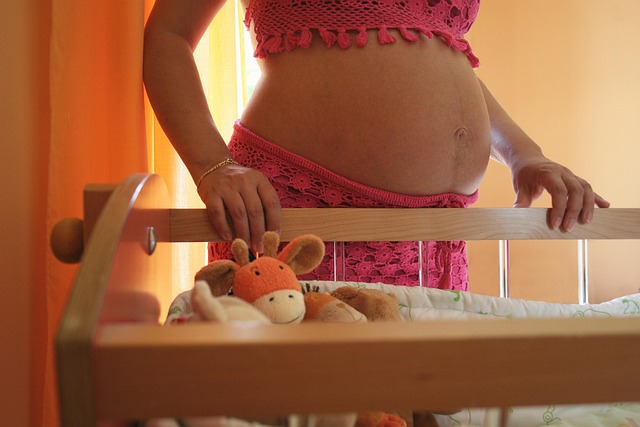
Now, as I’m 22 weeks pregnant with my fourth child, I’ve made the conscious choice not to breastfeed this time around. I firmly believe that “fed is best,” and my baby will be well taken care of. I’m grateful to have a supportive partner who is actually excited about this decision—he has always been a bit envious of the bond breastfeeding created between me and our children. I also have an OBGYN and a psychiatrist who fully support my choice, with no feelings of shame associated with it. In fact, they have encouraged me to prioritize what’s best for my family.
Breastfeeding is not the right path for everyone. You might not experience D-MER, or you may have other valid reasons for choosing not to breastfeed. Whatever your situation, trust your instincts. If you suspect you’re experiencing D-MER or have in the past, consult your doctor without delay.
For further insights into pregnancy and home insemination, check out this excellent resource on pregnancy from NIH. Also, if you’re looking for home insemination options, you can read more about them at BabyMaker at Home Insemination Kit and Impregnator at Home Insemination Kit.
In summary, my journey through breastfeeding has been anything but straightforward. Understanding D-MER changed how I viewed my experience and helped me realize that it’s okay to make choices that prioritize my mental health and well-being.
Keyphrase: D-MER and Breastfeeding Struggles
Tags: [“home insemination kit”, “home insemination syringe”, “self insemination”]