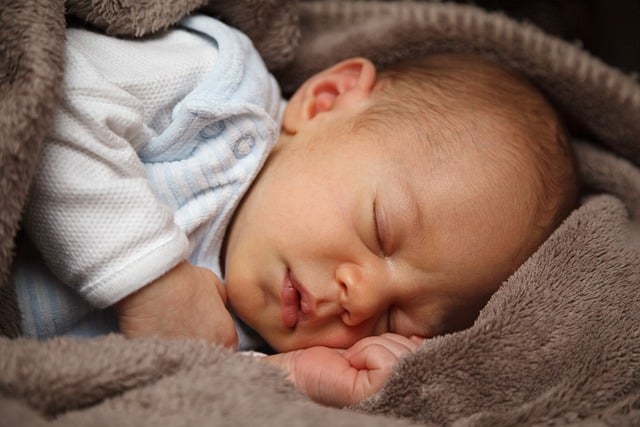
As I gently push open the door to my teenager’s room, I’m met with a wave of warmth and a distinct aroma that can only be described as the scent of a cozy, sleepy teen. The late morning sun peeks through the hastily closed curtains, illuminating a white lump hidden beneath a mountain of blankets — my daughter, blissfully snoozing away. The likelihood of her emerging before noon? Slim to none. Thankfully, it’s Saturday.
Meanwhile, the rest of the household is a whirlwind of activity. My partner is busy whipping up French toast, the middle child is strumming his guitar, and the youngest is constructing a foam block castle for her beloved Beanie Babies while eagerly awaiting her second breakfast. I’m multitasking, baking muffins for the soccer game, drafting a grocery list, and attempting to tackle a crossword puzzle.
It seems like staying busy is the go-to mode of survival. For many, especially moms, it often feels like if you’re not engaged in something productive, you’re somehow falling behind. But for my groggy teenager, lounging around is totally acceptable.
After a night of deep sleep that stretches well into the afternoon, my daughter might eventually wander out for some pancakes and last night’s leftover brownies, accompanied by a side of soy bacon. Attempting to engage her in conversation usually elicits only a grunt or two before she retreats back to her sanctuary, munching on popcorn while engrossed in a movie on her laptop.
Her room is a chaotic mess, though she seems to have an uncanny ability to locate everything she needs. When I ask her to tidy up, walk the dog, or fold her laundry, her reaction suggests I’ve just requested a thorough scrubbing of the toilet with a toothbrush. In short, she embodies a certain level of laziness when it comes to contributing to family life — and there’s a logical explanation for it.
It’s downright exasperating when I ask her to do something, only to have her agree and then forget, pretend she didn’t hear, or outright refuse because she simply doesn’t want to. Look, kid, I’ve got a laundry list of tasks I’d rather avoid too.
My days can be just as tiring and stressful, but I’m an adult, while she’s a worn-out, multitasking, 21st-century teen. If I had to endure her weekly grind, I’d probably spend my days in my pajamas, avoiding responsibilities beyond the essentials of eating and bathroom breaks.
She spends seven hours a day in school, dedicates three afternoons to sports practice (longer on game days), and tackles about two hours of homework each night. Somehow, she squeezes in a social life, mostly online but also in person. Add in fleeting family time, and it’s no surprise she’s utterly wiped out by the weekend.
But it’s not just grueling schedules that contribute to her apparent laziness. Science sheds light on this phenomenon. Frances E. Jensen, MD, explains in her book that adolescents are biologically “owls,” meaning their internal clocks kick into high gear around the time adults are winding down for the night. This is due to melatonin, the sleep hormone, being released about two hours later in teenagers compared to adults.
I can’t count how many times I’ve heard my daughter bustling around her room while I drift off to sleep. Sadly for her, early mornings are a necessity for school, so like many teens, she’s perpetually sleep-deprived. According to the National Sleep Foundation, 76% of high schoolers in the U.S. don’t get the recommended nine or more hours of sleep on school nights.
Sleep deprivation isn’t the only factor contributing to their lethargy. Scientists have discovered that the brain continues to develop well into adolescence, experiencing another growth spurt around ages 11 or 12. This phase generates an excess of synapses, which are essential for nerve impulses to transmit between neurons. Teens require ample rest to support brain development, consolidate what they’ve learned, and prune away unused synapses. If they don’t catch enough Zs during the week, their bodies will compensate on weekends. What we perceive as laziness is often just genuine exhaustion and necessary brain development.
While science doesn’t always excuse my daughter’s behavior, it does help explain her occasional crankiness and reluctance to engage on weekends. I grew up in a culture that celebrated busyness and viewed long to-do lists as a badge of honor. As I mature, I realize just how exhausting this mindset can be. Why shouldn’t adults also benefit from rest and leisure? Michael Lewis, the author of bestsellers like Moneyball and The Big Short, suggests that doing nothing might be the secret to success. Ironically, my daughter seems to have mastered this concept at just 14, while I’m still darting around like a hyper kitten. Perhaps an all-day sleep-in should be on my agenda soon.
In conclusion, embracing a “chill” teenager might just be the best way to navigate our busy lives. Understanding the science behind their behavior can help us appreciate their need for downtime and rest, reminding us that everyone, regardless of age, could use a break.
Keyphrase: Teen Laziness and Science
Tags: [“home insemination kit”, “home insemination syringe”, “self insemination”]