As I reflect on my experience, I am now nine days post partial hysterectomy, during which my cervix, uterus, and Fallopian tubes were removed, but my ovaries were preserved. The aftermath of surgery felt as if my internal organs had been jostled around, inflated like a balloon, and hastily sealed back within me.
For years, I dealt with the inconveniences of my menstrual cycle—prolonged periods, unexpected bathroom emergencies, debilitating cramps, and relentless backaches. What began as seven-day cycles had expanded to two weeks or longer. Despite being on birth control, I often found myself menstruating mid-pack. Exhausted and frustrated, I sought a permanent solution.
After a candid conversation with my OB-GYN, who suggested a hysterectomy if I had no desire for more children, I was on board. With two biological sons and a stepson, I felt complete. I had researched laparoscopic hysterectomies, which promised reduced recovery time and minimal scarring. I prepared meticulously, fueling my body with nutritious foods, engaging in exercise, and practicing meditation with affirmations for a successful surgery. The thought of living free from periods was incredibly enticing.
As the day of surgery arrived, I was filled with both optimism and apprehension. My doctor reassured me that I might go home the same day if all went smoothly. Some women feel great shortly after; I was hopeful to be among them. However, reality proved otherwise.
Here are key insights to help anyone facing a similar journey:
- Shaking Post-Surgery: Upon awakening, the shivering I experienced felt akin to running an ultra-marathon. Amidst the twilight haze, I overheard nurses discussing my need for Demerol to combat the shaking, and soon after, I felt a wave of calm wash over me. I even found myself complimenting the nurses on their beauty—a strange but amusing side effect.
- Excess Air: The air they introduce into your body during surgery to aid visibility can be uncomfortable. You may feel like a human balloon, as this trapped air takes time to dissipate. Pain relief medications become essential during this phase.
- Bathroom Visits: Initially, using the restroom can feel like a lengthy ordeal. I discovered that having assistance, like my husband holding my feet up, made the process more manageable.
- Caffeine Withdrawal: If you’re a coffee drinker, don’t skip the caffeine too long post-surgery, lest you be plagued by withdrawal headaches. I learned this the hard way when my headache escalated into a migraine.
- Pain Management: It’s common to experience discomfort for several days. I often felt a sensation of instability every time I stood, but thankfully, nothing actually fell out.
- Eating Challenges: Consuming anything beyond liquids can lead to stomach cramps. It took time for my body to adjust, and I learned to listen to it.
- Constipation Woes: The struggle to have a bowel movement can be daunting. Despite taking stool softeners, my husband had to procure a variety of remedies, from fiber drinks to Milk of Magnesia, until we found what worked.
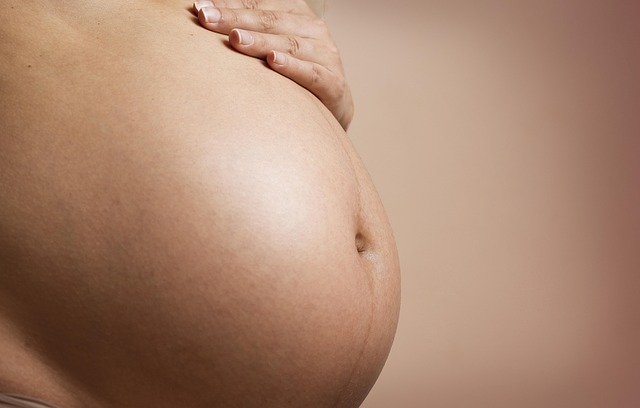
- Bloating: Expect to look somewhat pregnant due to bloating and inflammation. It’s a temporary state, but having loose-fitting clothing is advisable.
- Essential Support: Having a reliable support system is crucial. My husband was my rock, assisting with everything from basic needs to emotional support. His care made the ordeal more bearable.
I underwent a significant transition, shedding parts of me that had caused turmoil for years, yet also gave life to my children. Even nine days later, I am beginning to feel more like myself. While I still experience some discomfort, the healing process is underway. I looked in the mirror, observing my small incisions and the effects of surgery, and I felt a sense of wonder at the resilience of my body.
If you find yourself on this path, remember to treat yourself with kindness. Recovery is individual; embrace your unique journey. Rest, accept help, and allow your body to heal at its own pace.
For additional insights on home insemination, consider exploring this blog post that discusses various aspects of the topic. You can also check out this resource for comprehensive information about pregnancy and home insemination. For those looking for an effective insemination method, this kit is highly recommended.
In summary, undergoing a hysterectomy is a life-altering experience filled with both challenges and triumphs. Understanding what to expect can help ease the transition, ensuring that you are prepared for the journey ahead.
Keyphrase: hysterectomy recovery
Tags: [“home insemination kit” “home insemination syringe” “self insemination”]