Introduction
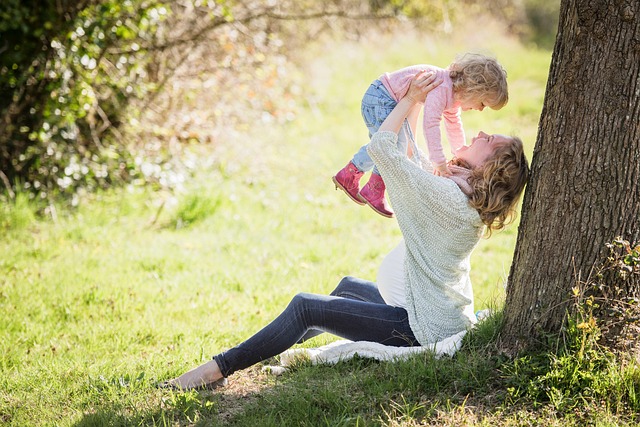
In recent years, research has increasingly highlighted the importance of kindness in children’s development and overall health. Not only does promoting kindness foster a supportive environment, but it also contributes significantly to the emotional and physical well-being of children.
The Value of Kindness
During an educational event, I observed a young boy named Jake excel in a school spelling competition. While his victory was commendable, what truly moved me was his display of compassion towards his peers. As fellow contestants faced disappointment, Jake offered high-fives and reassuring words to those who struggled. Observing his empathy made me reflect on the values we instill in our children.
The Importance of Empathy
We want our children to grow into well-rounded and thriving individuals who contribute positively to society. Central to this goal is the cultivation of kindness and empathy. Empathy allows children to recognize and respond to the suffering of others, making it a vital skill for their development. Research shows that practicing kindness not only benefits recipients but also enhances the giver’s mental and physical health.
Research Findings
A significant study conducted in Vancouver revealed that children aged 9 to 11 who engaged in three acts of kindness per week experienced improved well-being and increased peer acceptance. This enhanced acceptance can be crucial in reducing incidents of bullying. Furthermore, kindness has been shown to influence brain chemistry positively. Dr. Emily Carter, a psychologist, noted that engaging in kind acts boosts dopamine and oxytocin levels, promoting happiness and reducing stress. Kindness also supports cardiovascular health and may even slow down the aging process.
Consequences of Unkindness
Conversely, the absence of kindness can have detrimental effects on children. Research published in the American Journal of Psychiatry highlights the severe psychological impacts of verbal abuse from peers, equating it to the effects of familial abuse. Children exposed to bullying are at risk for long-term psychological disturbances, emphasizing the critical role that kindness plays in their social environments.
Raising Kind Children
As parents, we bear the responsibility of teaching our children the importance of treating others with respect and kindness. The belief that words cannot harm is a misleading notion; we must encourage our children to be mindful of their language and actions. To foster a culture of kindness, we can guide our children to reach out to peers who may feel isolated, offer support, and intervene against bullying behaviors.
Conclusion
The world is in dire need of compassionate individuals who can counteract negativity and promote kindness. As parents, we have the power to shape the next generation. By prioritizing kindness in our teachings and interactions, we can help nurture not only healthy children but also a healthier society as a whole.
For more information on fostering a supportive environment for families, you can explore resources like WebMD’s guide on reproductive health or consider using boost fertility supplements for those looking into home insemination options. Additionally, check out our post on the cryobaby at-home insemination kit for more insights on family planning.
Summary
Prioritizing kindness in children’s upbringing has profound effects on their emotional and physical health. Engaging in kind acts enhances well-being, fosters social acceptance, and promotes a healthier society. As parents, it is our duty to cultivate these values in our children for a brighter future.
Keyphrase: kindness in children’s development
Tags: [“home insemination kit”, “home insemination syringe”, “self insemination”]