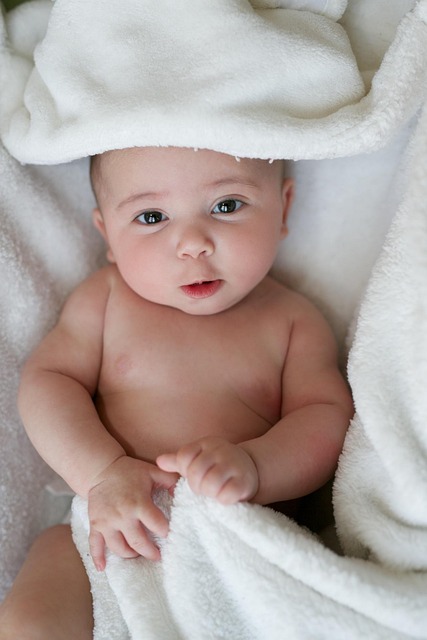
Religion has been a significant aspect of my life. I grew up in a Roman Catholic household, married into a Lutheran faith, and now I draw inspiration from both Buddhist and Taoist teachings. However, I do not identify as religious. I believe in a multitude of teachings rather than a singular truth and am critical of organized religion as a business entity.
When I became pregnant with my daughter in the fall of 2012, my husband and I faced challenging decisions about her upbringing. It was during a conversation about baptism that I knew we would encounter some resistance from family.
“Surely you’ll have the baby baptized?” a relative inquired.
Taking a moment to gather my thoughts, I replied, “Actually, we’re choosing to wait. We believe in allowing our child to explore spirituality and religion on her own terms.”
This response was met with an uncomfortable silence. I had anticipated various reactions, including anger or disappointment, but I was unprepared for what followed.
“But you must baptize her! If you don’t, and something were to happen—unbaptized babies go to Hell!”
I was taken aback but chose to remain calm and smiled politely. We would revisit this topic later, which we did multiple times over the ensuing months.
Fast forward to today, and such discussions have become non-existent. Time has softened initial concerns. According to theological perspectives, such as those from Pope Benedict, there are reasons to hope that children who pass without baptism can find peace in the afterlife.
Moreover, despite being raised without religious doctrine, my daughter has developed into a remarkably kind and empathetic individual. At just three years old, she demonstrates politeness, compassion, and a strong sense of fairness.
Interestingly, a 2015 study published in the journal Current Biology examined the moral behavior of children raised in various religious contexts. It revealed that children from non-religious households were often more generous than their peers from Christian or Muslim backgrounds. In an experiment, children selected stickers to keep for themselves; those raised without religious affiliation were notably more willing to share.
The findings also suggested that children raised in religious settings sometimes showed a tendency towards less forgiving behavior. This phenomenon is thought to be linked to “moral licensing,” where individuals may feel justified in their morality due to their religious practices.
While I cannot generalize my daughter’s experiences to all children, I can confidently say that she embodies generosity and understanding. She is the child who happily shares her toys and snacks, offers comfort to strangers in distress, and understands the importance of kindness and gratitude—all not because a religious text compels her to do so, but because it is inherently the right way to treat others.
The belief that morality is exclusively tied to religion is misguided; selflessness, generosity, and empathy can flourish outside of religious teachings. It is essential to recognize that individuals, not religious institutions, cultivate goodness.
As I navigate parenthood, my commitment remains steadfast: to raise my daughter to be the best person she can be. For those considering alternative paths to parenthood, resources like this article on treating infertility could provide insightful information, while Make a Mom’s home insemination kits and BabyMaker’s syringe kits offer practical solutions.
In conclusion, raising a child without religious constraints does not diminish their capacity for kindness or morality. Instead, it allows for the cultivation of values rooted in genuine human connection.
Keyphrase: Raising a Child Without Religion
Tags: “home insemination kit”, “home insemination syringe”, “self insemination”