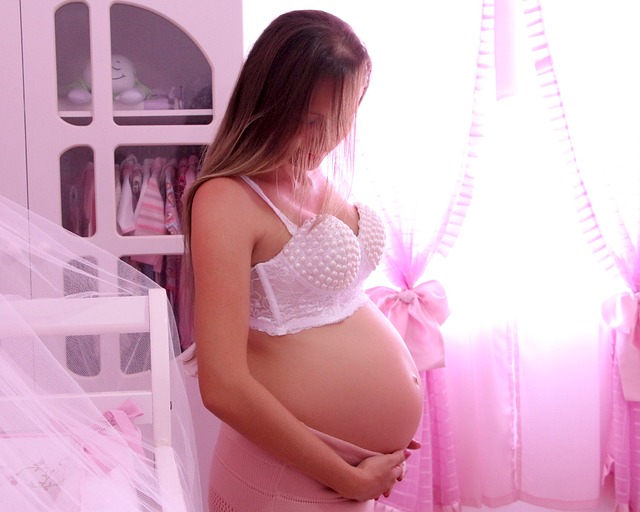
In a recent post that has garnered significant attention, a mother reflects on the hardships of undergoing and recuperating from a cesarean section (C-section). Her candid account resonates with many, highlighting the physical and emotional trials faced by women in similar situations.
Recovering from two C-sections was an experience unlike any other for Jane Wilson. While she often shies away from discussing it to avoid alarming expectant mothers, the truth is that the recovery process was incredibly challenging. The mere thought of the post-operative pain still triggers anxiety within her. Consequently, when she encounters the notion that C-sections are “the easy way out,” she can’t help but scoff. Childbirth, regardless of the method, is an arduous endeavor. Whether a child is born through vaginal delivery or surgically removed, the experience is transformative and undeniably taxing.
Emily Carter, who recently underwent a C-section, eloquently captures the struggle many women face. Her reflections on the resilience required for recovery have resonated widely, earning her a place among the fierce community of mothers. “Initially, I was reassured that I was making significant progress and would avoid a C-section,” she writes with a hint of sarcasm, “only to be surprised by the sudden need for major abdominal surgery. Oh, and recovery from that is a breeze, right?”
After enduring 36 hours of labor, Emily found herself in a situation where her baby’s distress was critical. Contractions were literally impacting the baby’s heart rate, leading to an emergency C-section. “This was the most excruciating experience of my life,” she shares. “Now, I proudly belong to a group of mothers who bear the scars of a C-section and have the strength to tell our stories.”
Those who have faced the urgency of an emergency C-section can attest to the fear and uncertainty that accompany it. It is a stark contrast to a planned and calm surgical experience. Having experienced both, Emily emphasizes the significant difference in the emotional and physical toll each type brings. The rush to the operating room, driven by the need to safeguard the baby’s life, is a harrowing experience, and the subsequent recovery is no small feat.
Emily describes the reality of this experience as “far removed from what I envisioned for my son’s birth.” Her frustration with anyone labeling her experience as the easy route is palpable. “When the nurse first asked me to get out of bed, the searing pain from my body being cut and stitched back together hit me hard. The irony of someone calling this the ‘easy way out’ is infuriating.”
Childbirth is a monumental challenge, regardless of how it unfolds. It is not a competition; we should recognize the diverse experiences women endure and support one another rather than make comparisons. “I am the strongest woman I know,” Emily concludes, “not just for myself, but for my beautiful child. I would willingly face this ordeal every day just to see his joyful face.”
For those interested in exploring topics related to pregnancy and home insemination, resources like Cleveland Clinic’s IVF and Fertility Preservation Podcast provide valuable information, while Make a Mom’s At-Home Insemination Kit offers authoritative insights on home insemination methods. Additionally, consider checking out Make a Mom’s Self Insemination Tools to learn more about the tools available for self insemination.
In summary, the journey of childbirth, whether through C-section or vaginal delivery, is fraught with challenges. Women should be celebrated for their strength and resilience, and we must strive to foster a supportive environment for all mothers.
Keyphrase: C-section challenges and recovery
Tags: [“home insemination kit”, “home insemination syringe”, “self insemination”]