Abstract:
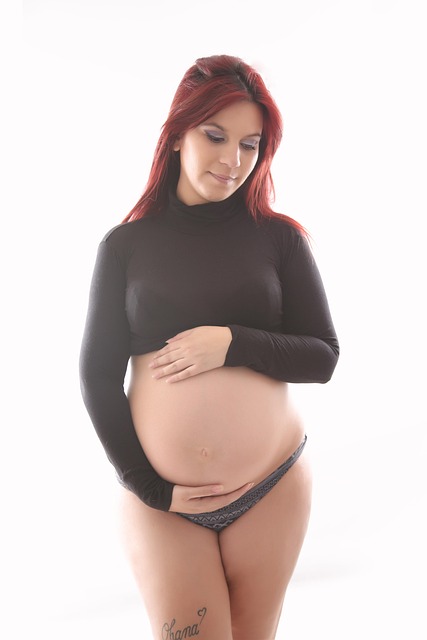
In this examination, we explore the unexpected phenomenon of facial hair growth in women, particularly as a consequence of pregnancy. The case study focuses on an individual, whom we will refer to as Sarah, who experiences this transformation and its implications on her self-image and societal perceptions.
Introduction:
Facial hair growth in women, often referred to colloquially as a “she-beard,” presents a unique intersection of biological changes and cultural expectations. Sarah, our subject, possesses a range of unusual physical abilities, such as wiggling her ears and raising an eyebrow, but her most surprising trait emerged during her pregnancies: the ability to grow facial hair.
The Hormonal Impact:
The onset of Sarah’s she-beard coincided with her first pregnancy, where hormonal fluctuations dramatically altered her body’s hair growth patterns. Initially, she had a normal, feminine hair distribution—no excessive body hair or facial fuzz. However, as her pregnancy progressed, she discovered the unwelcome presence of a goatee, which she initially attributed to either a rapid change or her own obliviousness. The discovery was distressing, marking a departure from her previously hairless state.
Cultural Context and Personal Struggles:
Sarah’s experience highlights the societal double standards regarding body hair. Traits that are considered attractive in males often become stigmatized in females. The presence of a beard, typically associated with masculinity, became a source of anxiety for her. The psychological toll of this transformation is significant; she grapples with maintaining her feminine identity while dealing with the realities of motherhood.
Maintenance and Methods:
In her efforts to manage this new development, Sarah has subjected her facial hair to various forms of grooming techniques—waxing, shaving, and applying depilatory creams notorious for their harshness. The financial implications of long-term solutions like electrolysis are prohibitive, especially in the context of raising children, where resources are often allocated to necessities like school supplies.
Concerns of Neglect:
Sarah’s worry extends beyond aesthetics; she harbors a deep-seated fear that if incapacitated, she might be left with an unkempt beard, amplifying her anxiety about bodily autonomy and societal judgment.
The Quest for Acceptance:
Amidst her struggles, Sarah fantasizes about a world where female facial hair is celebrated, akin to fashion trends embraced by men. She envisions a future where she can present her beard as a part of her identity, perhaps even adorned with embellishments. Yet, the reality remains that she continues to battle this aspect of her appearance while simultaneously weaving it into her narrative of motherhood.
Conclusion:
Despite the challenges posed by her she-beard, Sarah finds a silver lining in her experience. She plans to leverage her unique situation to create memorable moments with her children, using humor and maternal guilt as tools for connection.
Resources:
For those exploring the realms of motherhood and fertility, resources such as March of Dimes provide invaluable insights. Additionally, if you’re interested in home insemination options, visit Make a Mom for an informative guide. For comprehensive tools, check out Make a Mom’s At Home Insemination Kit.
Summary:
Sarah’s experience with unexpected facial hair growth during pregnancy serves as an intriguing case study of the intersection of biology, culture, and personal identity. While she navigates the complexities of motherhood and societal expectations, her journey highlights the importance of acceptance and humor in the face of change.
Keyphrase: women’s facial hair growth during pregnancy
Tags: [“home insemination kit” “home insemination syringe” “self insemination”]