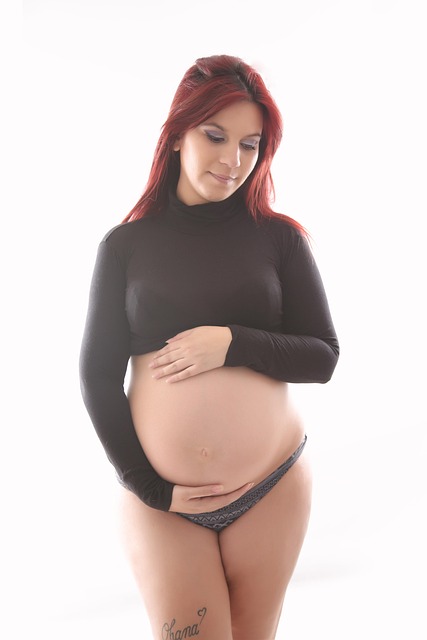
The day I learned I was expecting my second child is etched in my memory. After a tumultuous first pregnancy that ended in a heartbreaking miscarriage, I had spent months grappling with depression and undergoing fertility treatments. As I walked into the doctor’s office that day, I felt an overwhelming sense of discomfort, my bloated abdomen making me feel as if I were carrying the weight of bowling balls.
“Have you taken a pregnancy test?” the nurse asked, her excitement palpable. “You must be pregnant!”
Just moments later, as I watched the test stick display two lines, tears of joy filled my eyes. I handed it to the nurse, who announced my pregnancy to the waiting room, prompting applause from everyone present. Relief washed over me, signaling the end of my nightmare.
At five weeks, I learned I was expecting twins, and by twelve weeks, I discovered they were both boys. By sixteen weeks, we had captured their tiny profiles in ultrasound images. I displayed those pictures above my desk, constantly gazing at them. Yet, I couldn’t shake the unsettling feeling that something was amiss with Baby B’s profile; while Baby A appeared perfect, Baby B’s features seemed oddly shaped.
I anticipated no surprises during the 21-week ultrasound since we already knew the babies’ genders. The doctor spoke glowingly of Baby A’s growth and development while also confirming that Baby B had a complete bilateral cleft lip and palate. My heart sank; I felt a rush of fear and confusion as medical jargon washed over me. My instincts had been right all along.
My husband, who was ironically training to be an oral surgeon, attempted to clarify what a cleft lip and palate entailed. During the early weeks of pregnancy, the roof of Baby B’s mouth and the sides of his upper lip had failed to fuse, resulting in a common birth defect affecting nearly 4,000 newborns in the U.S. each year, as noted by the CDC.
As if this news wasn’t overwhelming enough, I was also experiencing contractions, leading to a directive for bed rest. My long-awaited pregnancy was quickly morphing into a nightmare. I spent three days on the couch in tears, grappling with the reality of our situation. While my husband tried to explain our baby’s condition, we never managed to capture a clear ultrasound of Baby B due to Baby A’s positioning. Concerned about potential heart issues associated with clefts, my doctor referred me to a pediatric cardiologist for an ultrasound of Baby B’s heart, which fortunately showed no defects.
The day of the twins’ arrival came five and a half weeks early. After Baby A was born and taken to the NICU, my body held Baby B captive for three anxious hours until he finally arrived. When he did, he was absolutely adorable, boasting a round face, striking blue eyes, and a small bump where his lip should have been.
The subsequent weeks were filled with challenges. Nursing was impossible for him, as he couldn’t create the necessary seal with his lips. When I ventured out with the twins, I often encountered stares and questions about “what was wrong with my baby’s nose.”
Today, at twelve years old, he has undergone four surgeries related to his clefts, with more to come as he grows. He has also received speech therapy and will require dental implants for missing teeth. Genetic testing revealed that the cleft resulted from a deletion on one of his genes, an unpredictable outcome.
What once felt like a nightmare has transformed into a profound blessing. He is a strong, intelligent, and resilient young man who has enriched my life and made me a more empathetic mother. For those navigating similar journeys, exploring resources such as Mayo Clinic’s guide on intrauterine insemination can be beneficial. Additionally, for insights on home insemination, check out this home insemination kit, as well as this authority on the topic: BabyMaker’s syringe kit combo.
In summary, my experience with my baby’s birth defect has been one of unexpected strength and resilience, reshaping my perception of motherhood.
Keyphrase: Birth defect awareness
Tags: home insemination kit, home insemination syringe, self insemination