Abstract
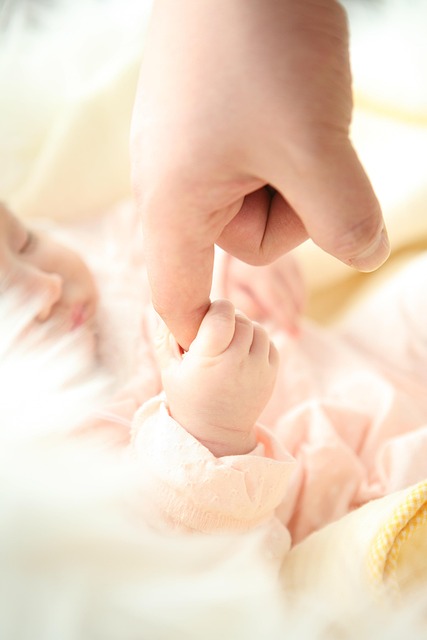
This article delves into the challenges faced by a mother, Emily, who grapples with her obsessive tendencies amidst the chaos of motherhood. Through her experiences, we explore how her neuroses are tested and ultimately transformed by the demands of raising three young children.
Introduction
The presence of disorder can trigger severe anxiety in individuals predisposed to high standards of cleanliness and organization. For Emily, the mere sight of spills or clutter induces physical discomfort, prompting an aversion to certain substances like juice, which she avoids to prevent the stress of inevitable messes. Her approach to parenting is significantly influenced by her compulsions, leading her to meticulously clean every surface, often on her hands and knees.
Despite well-intentioned advice from friends and family to “just relax,” Emily struggles to adopt a more laid-back demeanor. In her attempts to embody this relaxed persona, she finds herself at odds with her nature, leading to internal conflict. The effort to suppress her worries becomes a performance; she tries to smile through the chaos, all the while wrestling with her instincts.
Methods
This narrative explores her journey through motherhood, particularly during moments of overwhelming stress. The arrival of her third child marks a pivotal shift in her mindset. The relentless demands of parenting—ranging from diaper changes to food fights—overwhelm her previously stringent standards.
Emily’s realization comes during a particularly chaotic moment when multiple crises converge: a baby crying, an overflowing toilet, and a food fight erupting simultaneously. This culminates in her surrender to the mess, a moment that signifies her liberation from the tyranny of her neuroses.
Discussion
The transition from an uptight mother to a more relaxed one is not without its challenges. Emily experiences both exhaustion and relief as she permits herself to care less about cleanliness. This newfound perspective fosters a different kind of intimacy with her children, who respond with affection and curiosity. Their innocent inquiries and playful interactions become a source of joy, albeit briefly interrupted by the inevitable chaos—like a bloody nose from a roughhousing sibling.
Emily acknowledges that her children may remember her as either a meticulous caretaker or a frantic clean-freak. However, what remains undeniable is the depth of her love for them, even if it manifests imperfectly at times. This journey illustrates that neurotic parents, despite their quirks, often pour their hearts into their families.
Conclusion
The narrative encapsulates the struggle and eventual acceptance of imperfection in parenting. While Emily may not achieve a spotless home, she realizes that the love she imparts to her children transcends her compulsions. In the end, this transformation allows for genuine moments of connection, reminding us that, in the tapestry of parenting, love is the most enduring thread.
For further insights into home insemination, consider visiting Make a Mom, which offers valuable resources on this topic. Additionally, the Impregnator Home Insemination Kit serves as an effective solution for those exploring family expansion. For those seeking guidance in fertility, ACOG provides an excellent resource.
Summary
Emily’s journey from a hyper-organized mother to one who embraces the chaos of parenting highlights the challenges faced by those with obsessive tendencies. Through her experiences, she learns to prioritize love over perfection, discovering that moments of connection with her children are more valuable than a spotless home.
Keyphrase: Parenting with Neuroticism
Tags: [“home insemination kit”, “home insemination syringe”, “self insemination”]